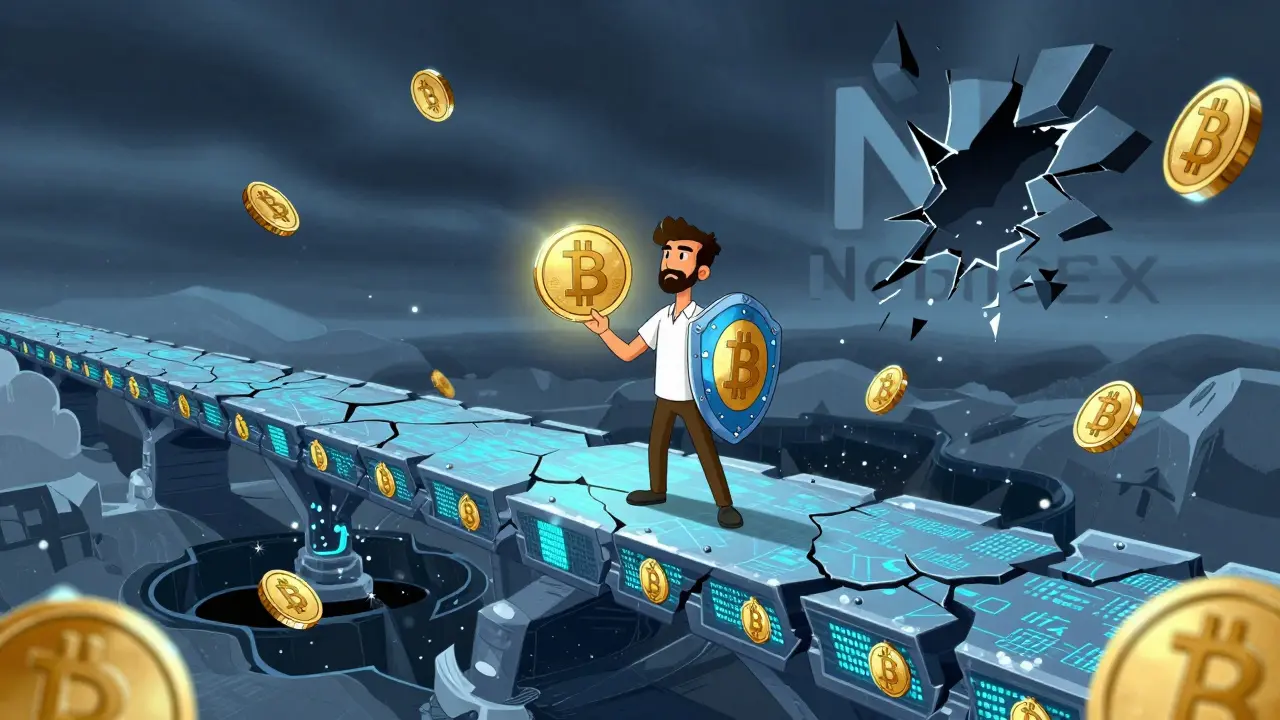
Iranian Crypto Exchanges: What You Need to Know About Trading in Iran
When it comes to Iranian crypto exchanges, local platforms that allow Iranians to buy, sell, and trade digital assets despite international financial restrictions. Also known as Iranian crypto trading platforms, these services are often peer-to-peer or decentralized, because traditional banking channels are blocked. Most Iranians don’t use global exchanges like Binance or Coinbase—they rely on local platforms that operate outside Western oversight, often using Telegram or WhatsApp to connect buyers and sellers.
Why does this matter? Because Iran is one of the top countries in the world for crypto adoption, even with strict government controls. The Iranian rial, the national currency that has lost over 80% of its value against the US dollar since 2018 pushed millions to seek stable alternatives. Bitcoin and USDT became lifelines for saving money, paying for imports, and sending remittances. Meanwhile, the crypto regulation Iran, a patchwork of state-approved mining licenses and banned private trading rules creates a confusing environment: mining is legal and even encouraged, but personal trading is technically illegal—yet widely practiced.
Most Iranian users trade through peer-to-peer crypto Iran, direct transactions between individuals using local payment methods like bank transfers, mobile wallets, or even cash. Platforms like LocalBitcoins, Paxful, and local Telegram groups handle the matching. Some exchanges, like Iranian crypto exchanges such as Nobitex and Hamrah Crypto, offer local currency deposits, but they’re often slow, unregulated, and vulnerable to sudden shutdowns. There’s no insurance, no customer support, and no recourse if funds disappear.
What you won’t find in official reports is how deeply crypto is woven into daily life. From students paying for online courses to small businesses importing goods, Bitcoin and stablecoins are the invisible backbone of Iran’s digital economy. But with the U.S. and EU sanctions tightening, even these workarounds are under pressure. New rules require exchanges to report user data, and authorities have cracked down on wallet providers. The result? More people move to decentralized tools—wallets like MetaMask, self-custody, and non-custodial DEXs.
If you’re trying to understand how Iranians trade crypto today, you’re not just looking at technology—you’re looking at survival. The posts below dig into real cases: exchanges that vanished overnight, scams targeting Iranians looking for safe platforms, and how local traders avoid detection. You’ll also find reviews of platforms that claim to be Iran-friendly, and warnings about fake services pretending to offer easy access. This isn’t theory. It’s what’s happening right now, on the ground, in real time.