

Bitcoin isn't just for storing value anymore. With the rise of Ordinals and BRC-20 tokens that allow NFTs and fungible tokens to live on the Bitcoin blockchain, a whole new layer of activity has emerged. But here’s the problem: Bitcoin was never built for complex smart contracts or decentralized finance (DeFi). If you hold a BRC-20 token, you can’t easily lend it, stake it, or swap it using the tools available on Ethereum.
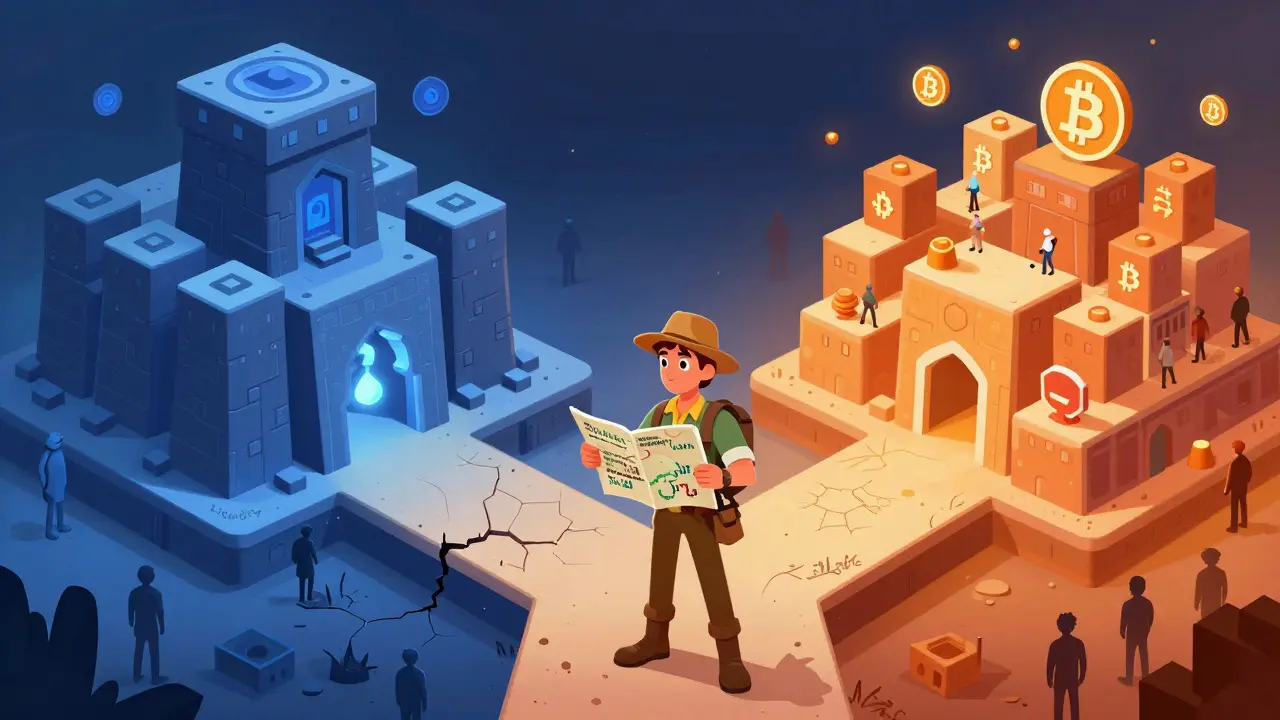
This is where Ordify comes in. Ordify (ticker: ORFY) positions itself as a bridge between these two worlds. It claims to be the first launchpad specifically designed for the Bitcoin ecosystem while maintaining full compatibility with EVM chains like Ethereum and BNB Smart Chain. In short, it wants to let you invest in early-stage Bitcoin-native projects without leaving the comfort of familiar DeFi interfaces.
But what exactly is the ORFY token? Is it just another hype coin from the 2024 bull run, or does it have real utility? Let’s break down how the ecosystem works, what you can actually do with the token, and whether the risks are worth the potential rewards.
The Core Idea: Connecting Bitcoin to EVM
To understand Ordify, you have to look at the gap it tries to fill. The Ethereum Virtual Machine (EVM) powers most of today's DeFi. You have lending protocols, automated market makers, and staking platforms. Bitcoin, on the other hand, is secure but rigid. While BRC-20 tokens exist on Bitcoin, they lack the infrastructure to interact with these financial tools.
Ordify builds a three-part ecosystem to fix this:
- A Multi-Chain Launchpad: A platform for new projects to raise funds. Unlike traditional launchpads that only support Ethereum or Solana, Ordify supports Bitcoin-native assets (like BRC-20) alongside standard ERC-20 tokens.
- The ORFY Bridge: A cross-chain tool that moves assets between the Bitcoin network and Ethereum-compatible chains. This allows BRC-20 tokens to enter the broader DeFi world.
- The ORFY Wallet: A browser extension (with a mobile app planned) that lets you manage BTC, Ordinals, BRC-20 tokens, and EVM assets in one place.
The native currency fueling all of this is the ORFY token. Originally launched as a BEP-20 token on BNB Smart Chain (BSC), it serves as the key to accessing these services. The plan is to expand its presence to Ethereum and eventually represent it on Bitcoin via inscriptions, making it a truly multi-chain asset.
Tokenomics: Supply and Distribution
Before you decide to buy or stake, you need to know the numbers. The ORFY token has a fixed total supply of 100,000,000 tokens. There are no plans to mint more, which means inflation is capped at zero after the initial distribution.
The token launched via an Initial DEX Offering (IDO) on Seedify.fund in March 2024. At launch, the project had an initial market cap of around $445,500. However, like many micro-cap tokens, the price has seen significant volatility since then. Data from aggregators like CoinMarketCap and Coinbase shows wide discrepancies in current pricing and volume, often reflecting low liquidity rather than actual trading activity. Always check multiple sources before assuming a specific price point.
Here is a quick snapshot of the token's core attributes:
| Attribute | Value |
|---|---|
| Token Standard | BEP-20 (BNB Smart Chain) |
| Total Supply | 100,000,000 ORFY |
| Launch Date | March 25-26, 2024 |
| Launch Platform | Seedify.fund |
| Primary Utility | Staking, Governance, Access |

How Do You Use the ORFY Token?
Holding ORFY isn't just about hoping the price goes up. The token is designed to be a functional key within the Ordify ecosystem. Here are the main ways you interact with it:
1. Staking for Launchpad Allocations
If you want to participate in new token launches on the Ordify platform, you can’t just show up and buy. You need to stake your ORFY tokens. The system uses a tiered model with six levels, ranging from "Intern" to "Satoshi." Each tier requires a specific amount of staked ORFY. The higher your tier, the larger your guaranteed allocation in upcoming sales. This prevents bots from sniping every token and rewards long-term holders.
2. Accessing Airdrops
Projects launching on Ordify often distribute free tokens to their community. Holding a minimum threshold of ORFY-specifically reaching the top "Satoshi" tier-grants you eligibility for these airdrops. Think of it as a VIP pass that pays you back in future opportunities.
3. DAO Governance
Ordify plans to operate as a Decentralized Autonomous Organization (DAO). This means ORFY holders will vote on major decisions, such as which projects get listed on the launchpad or how treasury funds are spent. While the governance framework is still evolving, this gives token holders a say in the direction of the protocol.
4. Bridging Fees and Rewards
As the ORFY Bridge matures, the token may play a role in fee structures or incentive programs for users who move assets between Bitcoin and EVM chains. By locking up ORFY, you might earn rewards derived from bridge usage fees.
The ORFY Bridge: Moving Between Worlds
The most ambitious part of the Ordify project is the ORFY Bridge. Currently, if you have a BRC-20 token on Bitcoin, you’re stuck there. You can trade it on Bitcoin-specific marketplaces, but you can’t use it to collateralize a loan on Aave or provide liquidity on Uniswap.
The ORFY Bridge aims to change this by wrapping BRC-20 tokens into ERC-20 equivalents on Ethereum. Once wrapped, these assets can interact with the entire Ethereum DeFi ecosystem. Conversely, it allows Ethereum-based assets to be represented on Bitcoin.
This is a high-risk, high-reward feature. Cross-chain bridges have historically been targets for hackers because they require trust assumptions about security keys and validators. Ordify describes its bridge as "permissionless," meaning anyone can initiate transfers without needing approval from a central authority. However, always verify the security audits and insurance coverage of any bridge before moving significant funds.
Risks and Considerations
It’s easy to get excited about the promise of Bitcoin DeFi, but you need to keep your feet on the ground. Here are the critical risks associated with Ordify and the ORFY token:
- Low Liquidity: As a micro-cap token, ORFY suffers from thin order books. This means large trades can cause massive price slippage. You might find it difficult to sell your tokens quickly without dropping the price significantly.
- Data Inconsistency: Different data aggregators often show conflicting prices and market caps for small tokens. Never rely on a single source for valuation. Check the contract directly on BscScan for the most accurate holder and transfer data.
- Team Anonymity: Like many crypto projects, the core team behind Ordify remains pseudonymous. While common in the space, it reduces accountability if things go wrong. There is no public corporate entity or doxxed founders to turn to in case of disputes.
- Bridge Security: Until independent security firms audit the ORFY Bridge code thoroughly, using it carries inherent risk. Smart contract bugs can lead to permanent loss of funds.
- Regulatory Uncertainty: The regulatory status of BRC-20 tokens and Bitcoin-based securities is still unclear in many jurisdictions. This could impact the long-term viability of projects launching on the platform.
Who Is Ordify For?
Ordify isn’t for everyone. If you are a casual investor looking for stable returns, this probably isn’t the right fit. It is designed for:
- Early Adopters: People who believe Bitcoin will eventually host a robust DeFi layer similar to Ethereum.
- Launchpad Hunters: Users who actively participate in IDOs and want access to Bitcoin-native projects that aren’t listed on mainstream platforms.
- Cross-Chain Traders: Individuals who see arbitrage opportunities between Bitcoin Ordinals markets and Ethereum DeFi pools.
If you fall into these categories, Ordify offers a unique toolkit. Just remember to start small, read the documentation carefully, and never invest more than you can afford to lose.
Is Ordify (ORFY) a safe investment?
No crypto investment is "safe," but Ordify carries higher-than-average risks due to its micro-cap status, low liquidity, and reliance on unproven cross-chain bridge technology. Always conduct your own research and only invest disposable income.
Which blockchain is the ORFY token on?
The ORFY token was originally launched as a BEP-20 token on the BNB Smart Chain (BSC). The roadmap includes expanding to Ethereum and creating representations on the Bitcoin network via the ORFY Bridge.
How do I participate in Ordify launchpads?
To participate, you must stake ORFY tokens in the Ordify wallet. Your staking amount determines your tier (from Intern to Satoshi), which dictates your allocation size in new token sales. Higher tiers receive larger guaranteed allocations.
What is the total supply of ORFY?
The total supply of ORFY is fixed at 100,000,000 tokens. There are no additional tokens to be minted, ensuring a deflationary pressure mechanism relative to demand.
Can I bridge BRC-20 tokens to Ethereum using Ordify?
Yes, that is the primary function of the ORFY Bridge. It allows users to wrap BRC-20 tokens into ERC-20 format on Ethereum, enabling them to access DeFi protocols like lending and staking platforms.
Who is behind the Ordify project?
The core team behind Ordify remains pseudonymous. No named founders or registered corporate entities are publicly disclosed in official documentation, which is common for early-stage DeFi projects but adds a layer of risk.
When did Ordify launch?
Ordify conducted its Initial DEX Offering (IDO) on Seedify.fund on March 25-26, 2024. Since then, it has expanded its ecosystem to include the ORFY Bridge and Wallet.