
Imagine a world where you don't need ten different apps and five different wallets just to interact with the decentralized web. Most of us are tired of the fragmentation in crypto-jumping from one chain to another, dealing with bridge risks, and staring at confusing interfaces. Nibiru is a high-performance Layer 1 blockchain and smart contract ecosystem designed to act as a consolidated Web3 hub. By combining the security of Bitcoin-like immutability with the flexible programmability of Ethereum, it aims to be the single point of entry for users and developers alike.
The Engine Under the Hood: How Nibiru Works
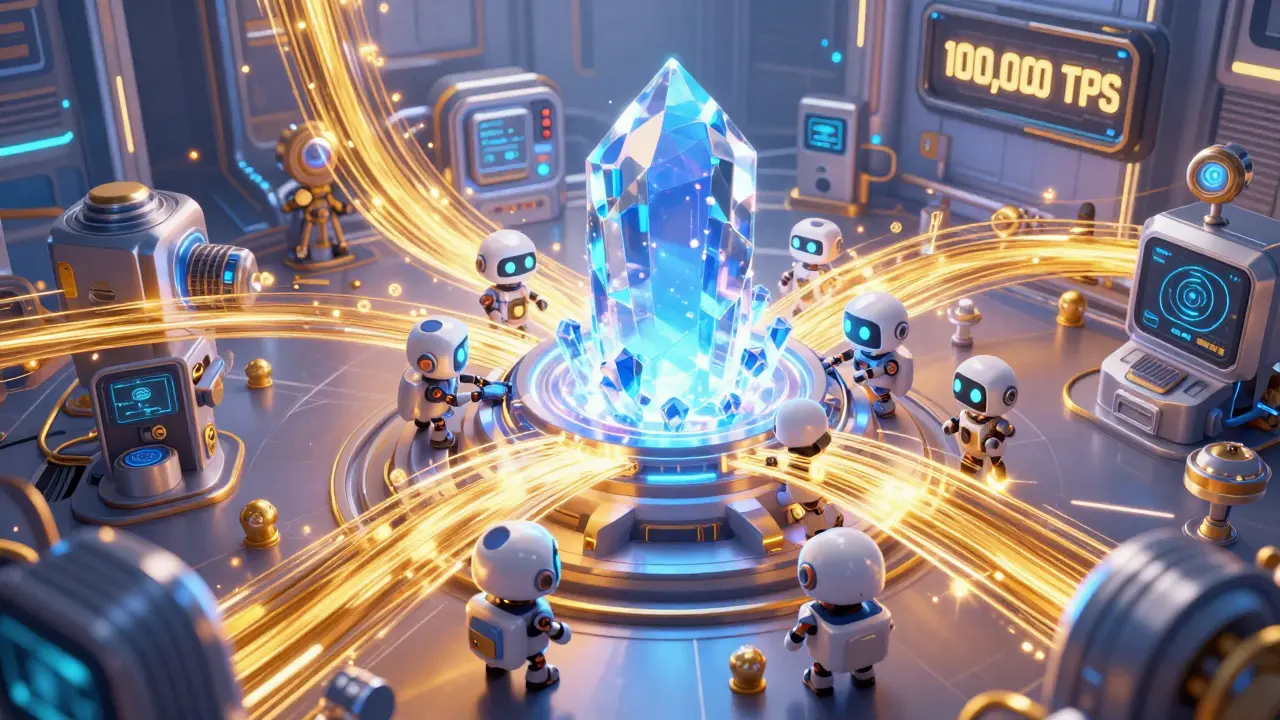
To understand why Nibiru Chain is different, you have to look at its architecture. It isn't just another copy-paste blockchain. It's built using the Cosmos SDK is a framework that allows developers to create custom application-specific blockchains and the Tendermint Core is a consensus engine that ensures fast and secure block finality. This combination allows the network to hit a staggering 100,000 transactions per second (TPS), which solves the dreaded "bottleneck" problem seen in older networks.
The network relies on a Proof-of-Stake (PoS) consensus mechanism. In simple terms, validators lock up tokens to secure the network. If they play by the rules, they earn rewards; if they try to cheat, they lose their stake. This keeps the chain resilient and decentralized without the massive energy consumption of traditional mining.
One of the coolest parts of its design is the Inter-Blockchain Communication (IBC) protocol. Think of IBC as a universal translator for blockchains. It allows Nibiru to "talk" to other chains in the Cosmos ecosystem, meaning assets and data can move across different networks without needing risky third-party bridges.
Breaking Down the Dual-Token Economy
Most projects just throw one token at the wall and hope it works. Nibiru uses a more sophisticated two-token model to balance growth with stability. The Nibiru crypto coin (NIBI) is the powerhouse of the network, while NUSD handles the steady side of things.
| Feature | NIBI Token | NUSD Token |
|---|---|---|
| Primary Role | Governance & Security | Stability & Payments |
| Utility | Staking, Voting, Gas Fees | Fiat Bridge, Trading Pair |
| Value Nature | Volatile (Market Driven) | Stable (Collateralized) |
| Main Benefit | Network Ownership | Price Protection |
When you hold NIBI, you aren't just speculating on a price. You can stake your tokens to validators to earn a slice of the network rewards or vote on proposals that change how the blockchain evolves. On the other hand, NUSD is a fully-collateralized stablecoin. It's designed to be the bridge between the volatile crypto world and the predictable world of fiat currency, making it much easier for regular people to buy in without worrying about a 20% price swing in an hour.
The "Super App" Concept: Simplifying Web3
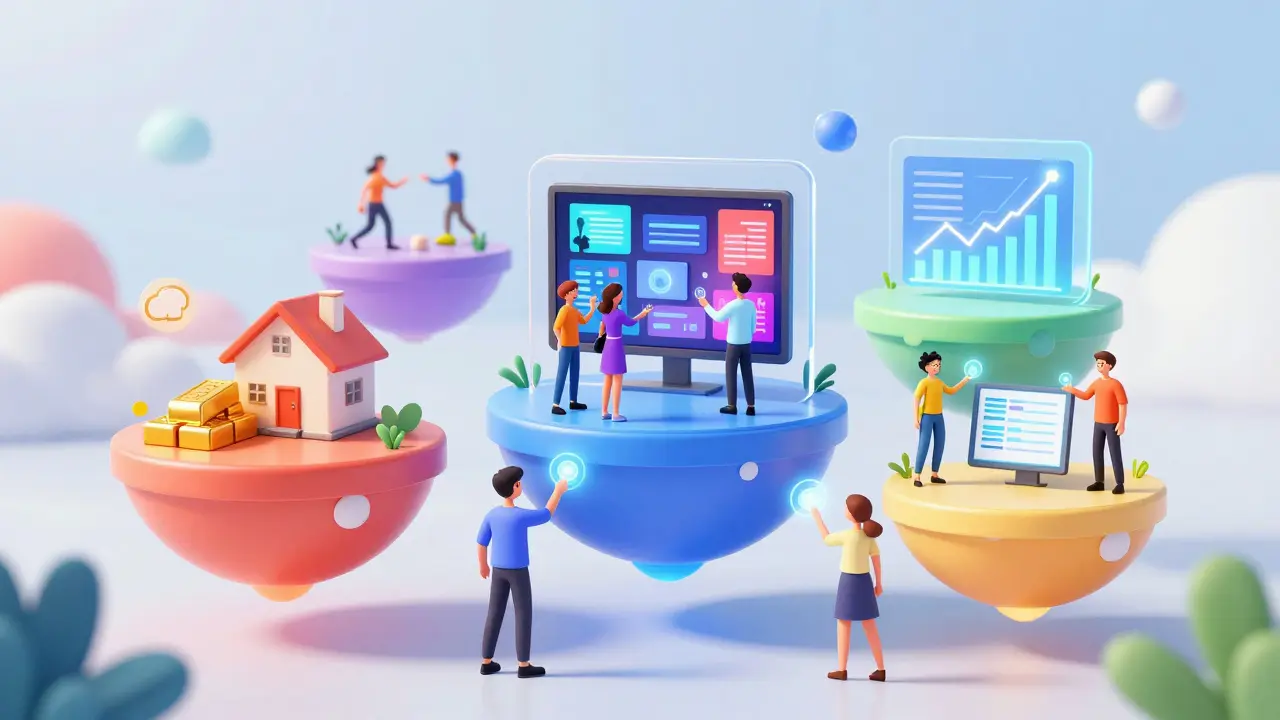
If you've ever tried to use a DEX or mint an NFT, you know it can be a nightmare of "connect wallet" pop-ups and obscure addresses. Nibiru wants to kill that friction. Their goal is to create a "Super App"-a unified interface where you can handle everything in one place. Instead of ten tabs, you have one hub.
This hub isn't just for basic swaps. The ecosystem is designed to support:
- Perpetuals Trading: Let users trade with leverage directly on the chain.
- Real-World Assets (RWAs): Bringing physical assets-like real estate or gold-onto the blockchain, making them liquid and tradable.
- NFT Frameworks: Tools for creating and exchanging digital art or gaming assets without needing a separate marketplace app.
- Spot Trading: Fast, low-fee exchanges of tokens.
By integrating these services into a single layer, Nibiru removes the "onboarding anxiety" that stops millions of people from trying crypto.
A Paradise for Developers
A blockchain is only as good as the apps built on it. To attract the best talent, Nibiru has made itself incredibly developer-friendly. One of the biggest draws is that it is EVM-equivalent. This means developers who already know how to write code for Ethereum can migrate their projects to Nibiru without having to learn a whole new programming language from scratch.
But they go a step further with a unique incentive: transaction fee rewards. In many networks, the validators take everything. In Nibiru's model, developers can actually earn a portion of the fees generated by their smart contracts. This creates a direct financial incentive for devs to build high-quality, high-traffic apps that actually provide value to users.
Common Pitfalls to Avoid when Exploring Nibiru
While the tech is impressive, new users often make a few classic mistakes. First, don't confuse the Layer 1 chain with a simple token project. This is infrastructure. If you're looking at NIBI, you're essentially betting on whether developers will choose this hub over competitors like Solana or Avalanche.
Second, remember the difference between staking and holding. If you just leave your NIBI in a wallet, you're missing out on the security rewards. Delegating your tokens to a validator is how you actually put your assets to work. Finally, be cautious with any "bridge" you use to get NUSD or NIBI into your wallet; always double-check that you're using the official ecosystem tools to avoid phishing scams.
Is Nibiru a new blockchain or a token on Ethereum?
Nibiru is its own sovereign Layer 1 blockchain. While it is EVM-equivalent (meaning it can run Ethereum-style apps), it operates on its own network using the Cosmos SDK and Tendermint consensus, rather than living on top of another chain.
What does NIBI actually do?
NIBI is the native utility token. You use it to pay for transaction fees (gas), stake it to earn rewards and secure the network, and use it to vote on governance proposals to decide the future of the project.
How fast is the Nibiru network?
The platform is engineered for high throughput, capable of handling up to 100,000 transactions per second, making it significantly faster than many legacy blockchains.
What is NUSD and how is it different from NIBI?
NUSD is a fully-collateralized stablecoin used for payments and bridging fiat currency. While NIBI's price moves with the market, NUSD is designed to stay stable, providing a safe haven for traders.
Can I use my Ethereum apps on Nibiru?
Yes, because Nibiru supports an EVM-equivalent execution layer, developers can deploy smart contracts written for Ethereum with very little friction, which helps the ecosystem grow faster.
Next Steps for Getting Started
If you're a trader, start by looking into the NUSD stablecoin to minimize your exposure to volatility while you explore the Super App's trading features. If you're a long-term investor, look into the delegation process to start earning staking rewards with your NIBI. For developers, the first step is exploring the EVM-equivalent layer to see how your existing dApps can be ported over to take advantage of the higher TPS and fee-sharing rewards.