

It is May 2026. You have likely seen the buzz surrounding "The APIS" airdrop circulating across social media feeds and crypto forums. If you are searching for this specific drop, you might be feeling a mix of excitement and confusion. Why? Because the name itself is a bit of a trap. In the current landscape, there is no single, standalone cryptocurrency project officially named "The APIS" that has launched a massive public airdrop this year. Instead, what users are referring to is almost certainly related to API3, the leading decentralized oracle network, or potentially one of the many smaller projects leveraging "API" in their branding.
This guide cuts through the noise. We will clarify exactly which projects fit this description, how to verify if you are eligible for any active distributions, and most importantly, how to avoid scams masquerading as legitimate API-based airdrops. By the end of this article, you will know precisely where your attention should be focused and how to safely navigate these opportunities.
Clarifying the Identity: The APIS vs. API3
The first step in navigating this space is understanding the central entity. When people talk about "The APIS," they are usually conflating two different concepts. On one hand, we have general blockchain infrastructure providers like Crypto APIs, which offer services for Bitcoin, Ethereum, and Litecoin integration. On the other hand, we have API3, a specific protocol designed to connect smart contracts with real-world data via First-Party Oracles.
API3 is a decentralized oracle network that enables developers to access real-world data directly from API providers without intermediaries. This distinction matters because airdrop mechanics differ significantly between a centralized service provider and a decentralized protocol. Most major "API" related rewards in recent years have been tied to the API3 ecosystem or its associated testnets. If you are looking for a token called "APIS," you need to pause and verify the contract address. Scammers frequently launch tokens with names similar to established brands to catch off-guard investors.
How Decentralized Oracle Airdrops Work
To understand why you might qualify for an airdrop in this sector, you need to look at the underlying technology. Unlike meme coin drops that reward random wallet addresses, infrastructure airdrops typically reward usage and contribution. For a protocol like API3, eligibility often hinges on your interaction with the network.
Here is how the logic generally flows:
- First-Party Oracle Integration: Developers who integrated API3’s oracle nodes into their dApps during specific testing phases may receive governance tokens or rebates.
- Staking Participation: Users who staked API3 tokens to secure the network before certain lock-up periods ended are often prioritized in distribution events.
- Community Governance: Active participants in DAO proposals or community forums sometimes receive snapshot-based rewards.
If you did not interact with the API3 mainnet or its testnets prior to 2025, your chances of receiving a retroactive "surprise" airdrop are slim. However, new incentive programs launch regularly. The key is to check official channels rather than relying on third-party announcements.
Step-by-Step Guide to Checking Your Eligibility
Do not trust DMs or unsolicited emails claiming you have won "The APIS" tokens. Legitimate projects do not operate this way. Follow these steps to verify your status safely:
- Identify the Official Source: Go directly to the official website of the project you suspect is running the airdrop. For API3, this is api3.org. Look for a dedicated "Airdrop" or "Rewards" page.
- Check Wallet History: Connect your primary wallet (such as MetaMask or Ledger) to the project’s official dashboard. Use tools like Etherscan to review your transaction history. Did you interact with known API3 contract addresses? Did you stake tokens?
- Verify Contract Addresses: If a link claims you can claim tokens, copy the contract address and paste it into a block explorer. Check the age of the contract, the number of holders, and whether the code is verified. New contracts with zero history are red flags.
- Look for Snapshot Dates: Legitimate airdrops always publish a snapshot date-the exact block height when eligibility was calculated. If no snapshot date is provided, it is likely a scam.
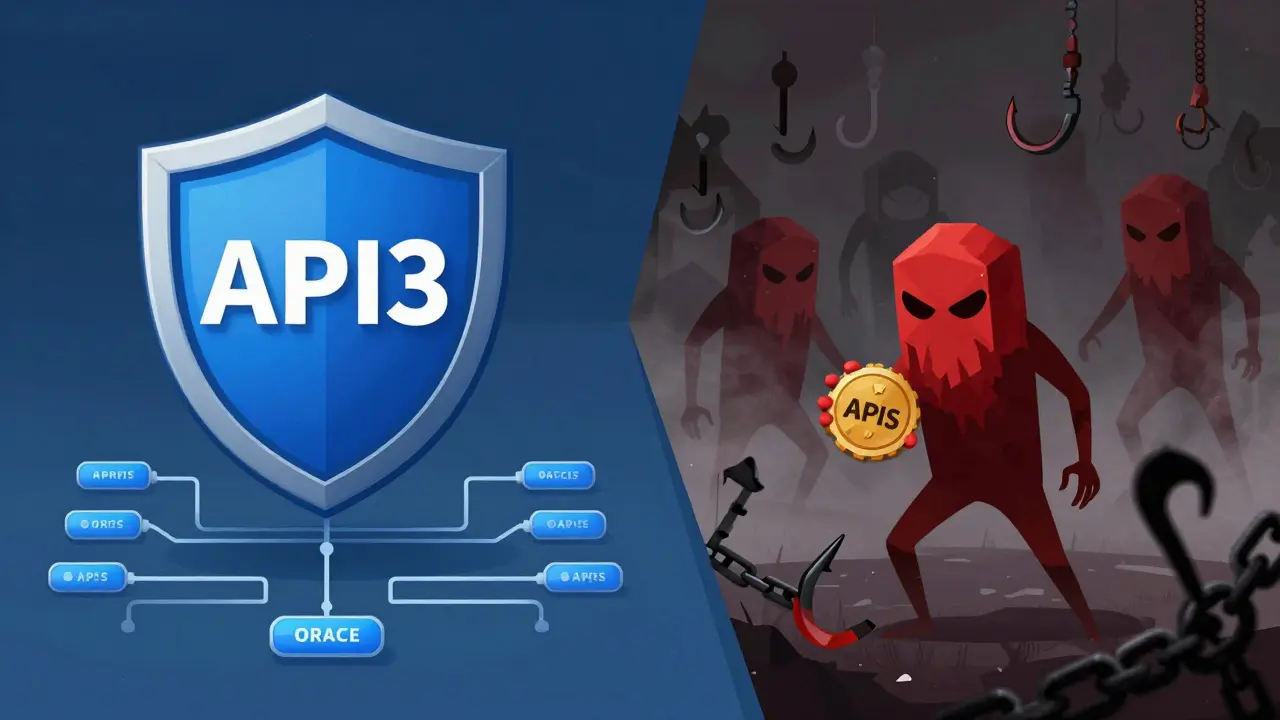
Common Scams Targeting API Enthusiasts
In 2026, phishing attacks have become more sophisticated. Scammers create fake websites that look identical to legitimate API providers. They use urgent language like "Claim your APIS tokens now or lose them forever." Here is how to spot the fakes:
- Domain Typos: Check the URL carefully. Is it apis-drop.com instead of api3.org? Small differences matter.
- Unverified Contracts: Real projects have audited smart contracts. If the contract source code is hidden or unverified on Etherscan, do not interact with it.
- Requests for Private Keys: No legitimate airdrop will ever ask for your private key or seed phrase. Only your public wallet address is needed.
- Pressure Tactics: If the site says you have only minutes to claim, it is designed to bypass your critical thinking. Legitimate claims windows last days or weeks.
Comparison: Legitimate Infrastructure vs. Fake Drops
| Feature | Legitimate Project (e.g., API3) | Fake Airdrop / Scam |
|---|---|---|
| Website Domain | Official, well-known domain (api3.org) | Newly registered, misspelled domains |
| Contract Verification | Verified source code on Etherscan | Unverified or proxy contracts |
| Eligibility Criteria | Based on past usage/staking | No criteria; "everyone wins" |
| Communication Channel | Official Twitter/Discord with blue check | DMs, Telegram groups, spam emails |
| Token Utility | Governance, staking, fee payment | No utility; pure speculation |

What to Do If You Are Not Eligible
If you checked your history and found no interactions with relevant networks, do not despair. The crypto infrastructure space is evolving rapidly. You can position yourself for future opportunities by taking proactive steps today.
Start by engaging with the ecosystem. For example, if you are interested in oracle networks, try building a small dApp that uses API3’s testnet. Stake tokens if the protocol allows it. Join the Discord community and participate in governance discussions. These actions not only increase your chances of future rewards but also deepen your understanding of the technology. Remember, airdrops are bonuses, not income sources. Building genuine utility is the safest long-term strategy.
Future Outlook for API-Based Tokens
As blockchain adoption grows, the demand for reliable data feeds increases. Protocols like API3 are solving critical problems in DeFi, gaming, and insurance sectors. This fundamental value drives long-term price action more than short-term airdrop hype. Keep an eye on partnerships and new integrations. When a major platform integrates a specific oracle solution, it often signals upcoming incentive programs for early adopters.
In 2026, regulatory clarity is also improving. Reputable projects are ensuring their token distributions comply with local laws, which reduces risk for participants. Always prioritize projects with transparent teams and audited code over anonymous launches promising quick riches.
Is there a cryptocurrency called "The APIS"?
There is no major, widely recognized cryptocurrency specifically named "The APIS." The term is often confused with API3, a leading decentralized oracle network, or generic blockchain API services. Always verify the exact project name and contract address before interacting.
How do I know if I am eligible for an API-related airdrop?
Eligibility is usually based on past interactions with the network, such as staking tokens, using testnets, or participating in governance. Check the official website of the project for a list of criteria and snapshot dates. Do not rely on third-party claims.
Are API3 airdrops still happening in 2026?
While large-scale initial airdrops may have concluded, API3 and similar protocols often run ongoing incentive programs for developers and stakers. Check their official blog and Discord for current campaigns and reward structures.
What should I do if someone DMs me about an APIS airdrop?
Ignore and block the message. Legitimate projects never announce airdrops via direct messages. Unsolicited links are almost always phishing attempts designed to steal your funds or private keys.
How can I protect my wallet from fake airdrop scams?
Use a hardware wallet for significant holdings. Never sign unknown transactions. Verify contract addresses on Etherscan before connecting your wallet. Enable two-factor authentication on all exchange accounts and keep your software updated.