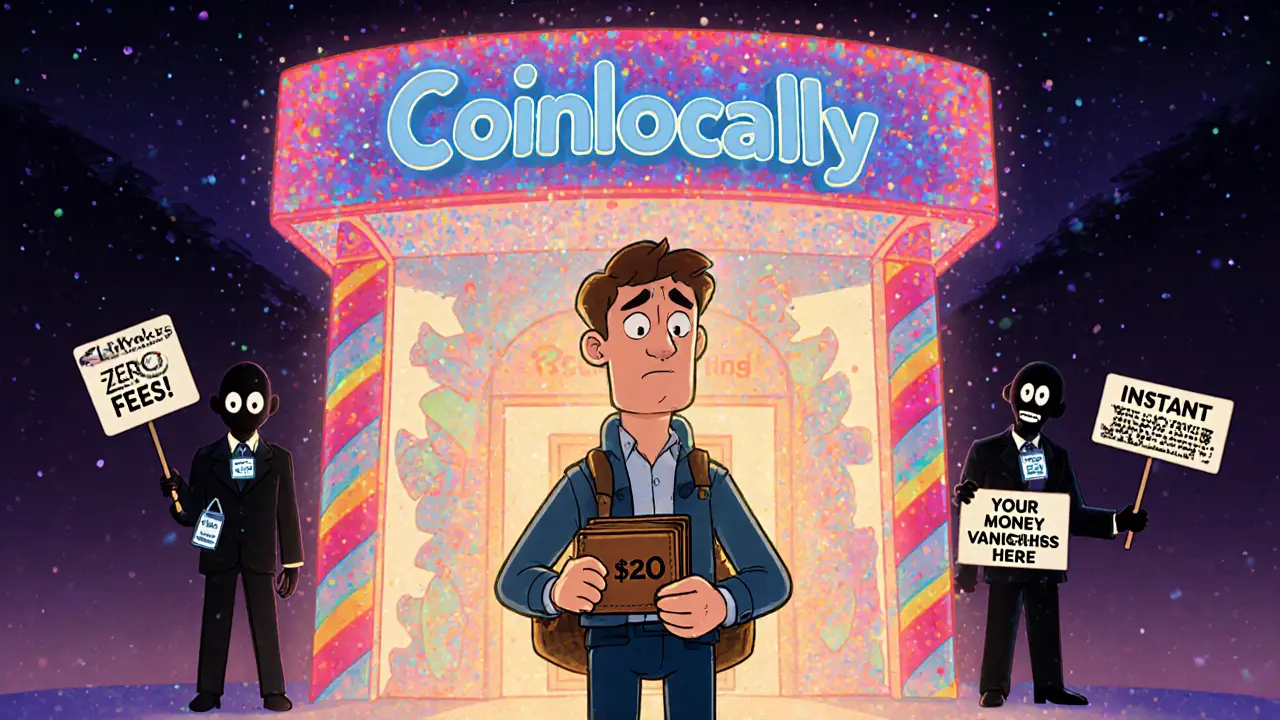
Zero Fee Crypto Exchange: What You Need to Know Before You Trade
When you see a zero fee crypto exchange, a platform that claims to charge no trading, deposit, or withdrawal fees. Also known as fee-free crypto trading platform, it promises to cut out the middleman and let you keep more of your profits. But here’s the catch: if a crypto exchange says it’s free, it’s probably making money somewhere else—and you’re the one paying for it.
Most unregulated crypto exchange, a platform operating without oversight from financial authorities like the SEC or MAS. Also known as offshore crypto platform, it often uses zero fees as bait to attract users. These platforms skip compliance, avoid KYC, and sometimes even shut down without warning. Coinlocally and Nanex are two examples that promised no fees but delivered broken apps, no customer support, and vanished funds. Meanwhile, DeFi exchange, a decentralized platform like Uniswap or LFJ v2.2 that runs on blockchain smart contracts. Also known as non-custodial exchange, it can have near-zero gas fees on Layer 2 networks like Arbitrum or Optimism—but you still pay for blockchain transactions. True zero fees don’t exist on public chains; someone, somewhere, is covering the cost—and that’s usually you, through slippage, low liquidity, or hidden tokenomics.
Real trading costs aren’t just about the fee on your screen. They’re in the spread between buy and sell prices, the slippage when you trade large amounts, the time you waste waiting for withdrawals, or the value you lose when a platform’s token crashes after an airdrop. Some platforms hide fees in token rewards that expire, or require you to hold their native coin just to avoid charges. That’s not freedom—it’s a trap. The most dangerous part? These platforms often target beginners with flashy ads and promises of high yields. But if you’re not paying in cash, you’re paying in risk.
What you’ll find below isn’t a list of the best zero fee exchanges. It’s a collection of real stories from people who tried them—and got burned. From Coinlocally’s broken app to RocketSwap’s ghost platform, from fake airdrops that never delivered to DEXs with five tokens and zero support, these posts cut through the noise. You’ll learn what to watch for, who to avoid, and where real value still exists—even if it comes with a small fee. Because in crypto, the cheapest option is rarely the safest one.