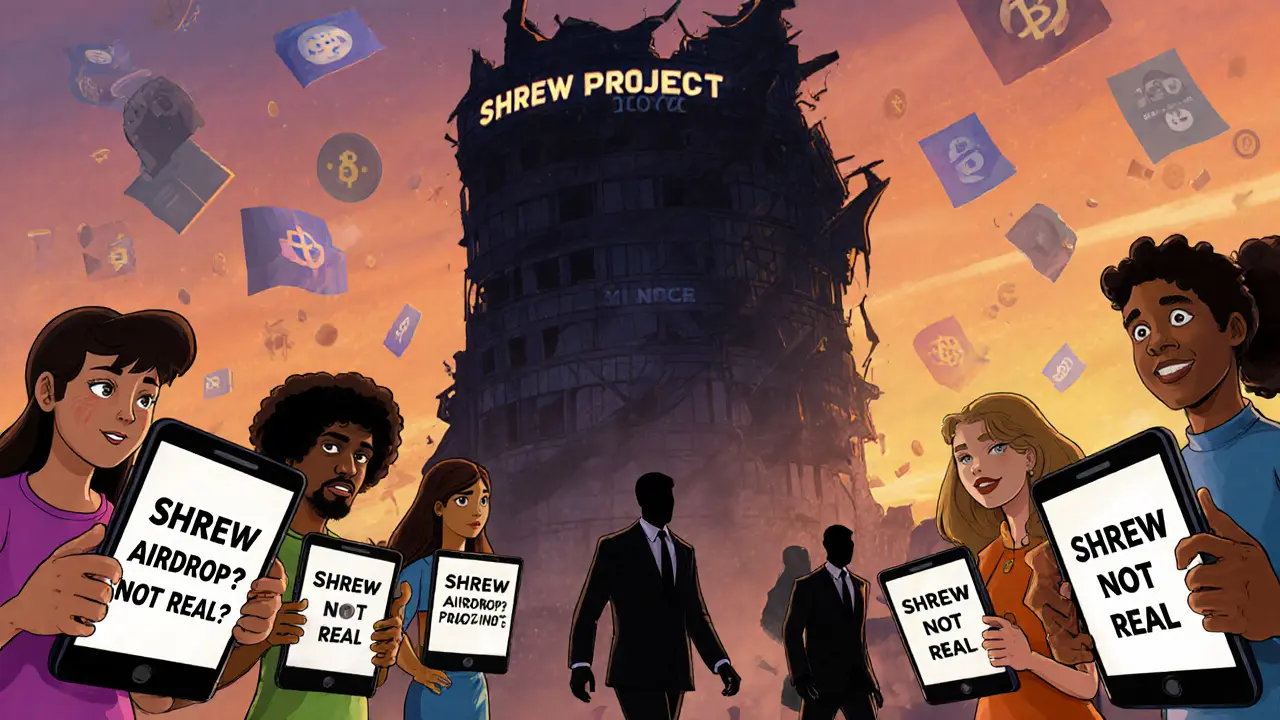
SHREW ICO: What It Is, Why It Matters, and What You Need to Know
When people talk about SHREW ICO, a cryptocurrency token launch that emerged quietly in 2021 with no clear team or roadmap. Also known as SHREW token sale, it was one of hundreds of obscure crypto projects that popped up during the meme coin frenzy—offering little more than a name, a whitepaper draft, and a Discord server. Unlike Bitcoin or Ethereum, SHREW didn’t solve a real problem. It didn’t have a working product. It didn’t even have a public team. But it had hype. And in crypto, that’s sometimes enough to get attention.
SHREW ICO relates directly to other failed or forgotten crypto launches like HappyFans (HAPPY), IguVerse NFT airdrop, and MetaGear (GEAR)—all projects that promised big things but delivered nothing. These aren’t just bad investments. They’re warning signs. The same patterns show up: zero circulating supply, no audit, no liquidity, and a community that disappears after the first wave of buyers. SHREW ICO fits right in. It didn’t list on any major exchange. No reputable analyst covered it. Even its own website vanished within months. If you’re looking for legitimacy, SHREW ICO doesn’t pass the basic sniff test.
What makes SHREW ICO worth talking about now? Because it’s not alone. The crypto space is full of these ghosts—tokens that were sold to early buyers, then abandoned. They’re not scams in the traditional sense; they’re often just poorly planned, underfunded, or outright ignored by their creators. But the damage is real. People lost money. Trust got broken. And new investors keep walking into the same traps because they don’t know what to look for. That’s why understanding SHREW ICO matters. It’s a case study in how hype replaces substance.
If you’ve ever wondered why some crypto projects vanish overnight, SHREW ICO is a perfect example. It didn’t fail because of regulation. It didn’t fail because of market crashes. It failed because no one cared enough to keep it alive. And that’s the real lesson. In crypto, if you’re not building something useful, or if you’re not transparent about who you are, you won’t survive—even if you get listed on a small exchange or promoted in a Telegram group. The market remembers. And it moves on.
Below, you’ll find real posts that dig into similar stories—projects that promised the moon but delivered silence. You’ll see how airdrops turned into scams, how exchanges disappeared, and how tokens with zero utility still tricked people into buying them. These aren’t just stories. They’re lessons. And if you’re thinking about jumping into the next big ICO, you need to read them first.