NFT Sales Decline: Why the Market Dropped and What It Means for Buyers
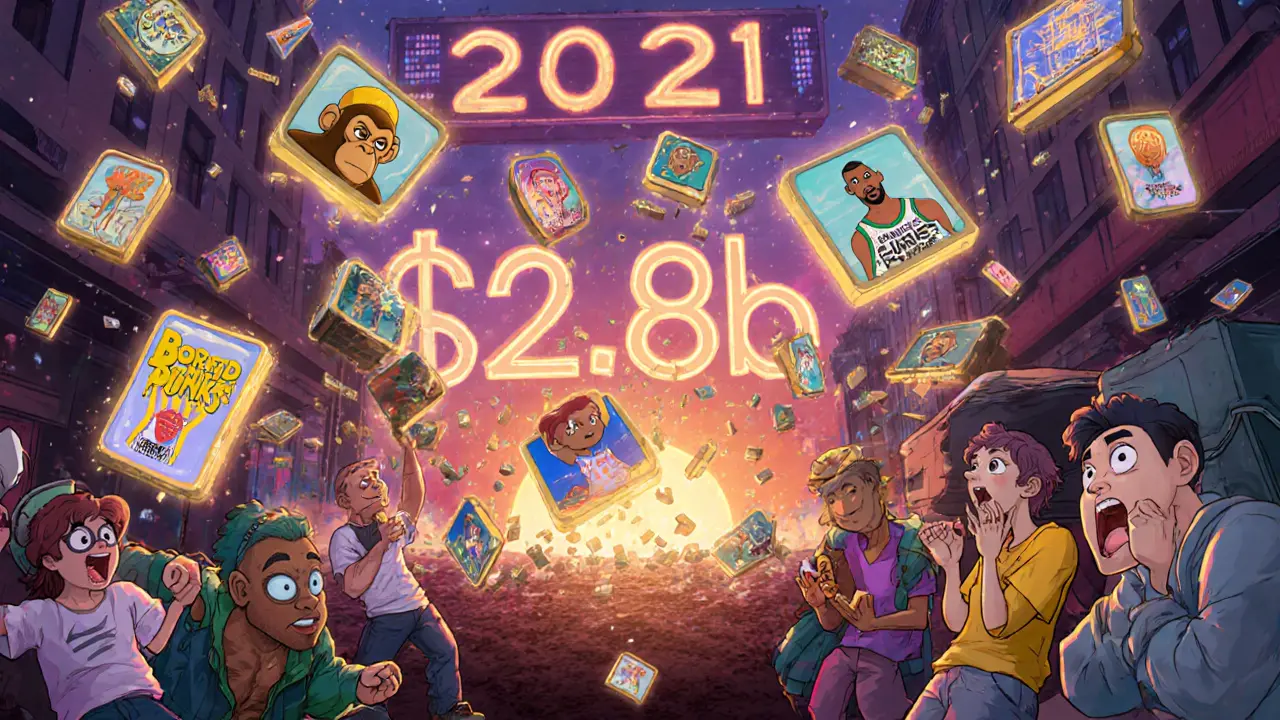
When NFT sales decline, a sharp, sustained drop in the volume and value of non-fungible token transactions across major marketplaces hits, it’s not just a price dip—it’s a collapse in trust. After the 2021 boom, when people paid millions for pixelated apes and digital sneakers, the market lost steam fast. By 2025, trading volume fell over 80% from its peak. Why? Because most NFTs had no real use. No access, no rights, no utility—just a JPEG with a blockchain stamp.
That’s where NFT projects, digital collectible initiatives built on blockchain with claimed utility or community benefits failed. Many were launched as get-rich-quick schemes, not products. Buyers expected membership perks, game items, or royalties. Instead, they got empty Discord servers and dead links. Projects like IguVerse and HappyFans promised NFT airdrops that never happened. Others, like SHREW, were never even airdrops—they were ICOs that vanished. The market didn’t crash because of regulation or tech limits. It crashed because people realized they were buying nothing.
But not all NFTs died. A few survived by building real value. Tokens tied to playable games like Pixels (PIXEL) or used for actual access—like membership passes to real events or software tools—still trade. These aren’t speculative bets. They’re functional assets. Meanwhile, NFT demand, the level of buyer interest and willingness to pay for digital collectibles shifted. It’s no longer about owning a cool image. It’s about what that image unlocks. The buyers left behind aren’t fools—they’re smarter. They check for team credibility, smart contract audits, and real-world utility before clicking buy.
And then there’s the crypto collectibles, digital items on blockchain marketed as rare, collectible assets, often with limited supply label. That term is fading. People don’t call them collectibles anymore. They call them scams, ghost assets, or dead projects. The ones still moving? They’re tied to active communities, ongoing development, and clear ownership rights. If a project doesn’t have those, it’s just a static image with a high gas fee.
What’s left in the NFT space isn’t flashy. It’s quiet. It’s functional. It’s the few that built something people actually use. The rest? They’re gone. And that’s the real lesson of the NFT sales decline: value isn’t created by hype. It’s built by trust, utility, and follow-through. The buyers who walked away didn’t lose money—they saved it. The ones still watching? They’re waiting for the next project that doesn’t just promise, but delivers.
Below, you’ll find real breakdowns of failed NFT campaigns, dead exchanges, and the few crypto projects that actually delivered on their promises. No fluff. No hype. Just what happened, why, and who’s still standing.