DRAGONKING crypto: What It Is, Why It Matters, and What You Need to Know
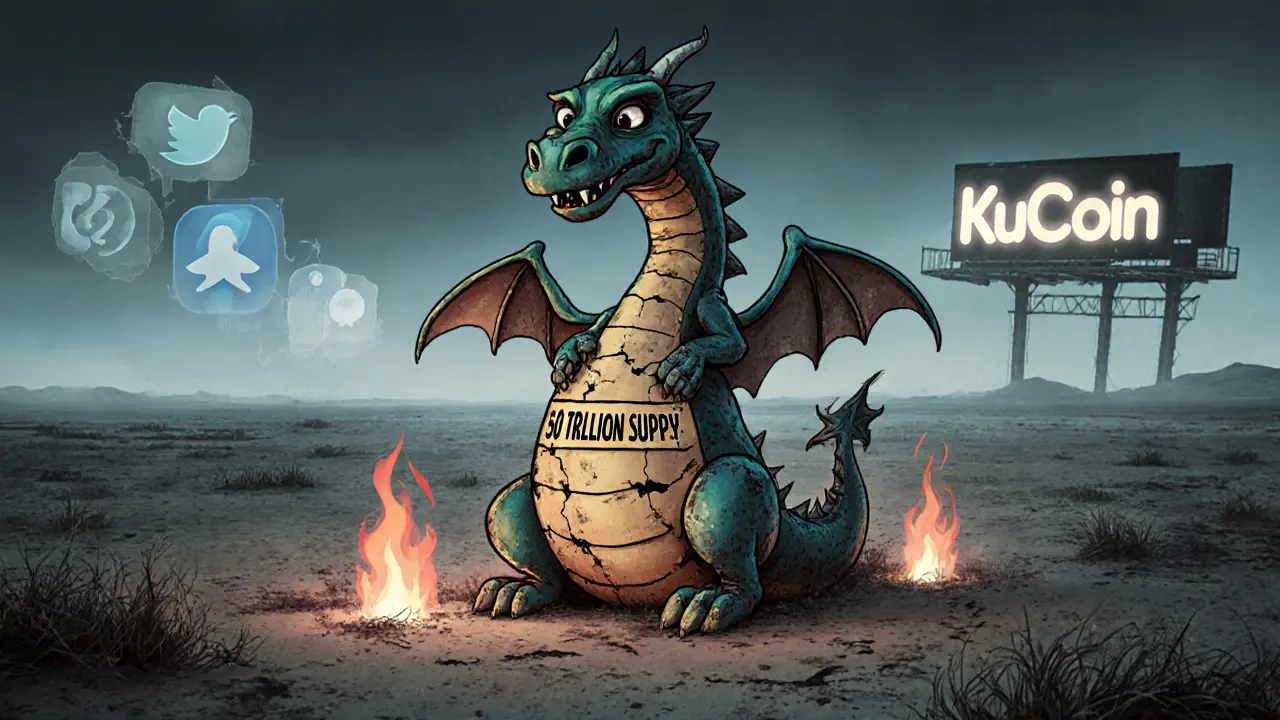
When you hear DRAGONKING crypto, a Solana-based meme coin with no whitepaper, no team, and no real utility. Also known as DRAGONKING token, it exists purely because people believe in it—no more, no less. Unlike Bitcoin or Ethereum, DRAGONKING doesn’t solve a problem or offer a service. It’s not built to be money. It’s built to be a joke that turned into a market. And yet, people are buying it. Why? Because in crypto, sometimes the joke is the point.
DRAGONKING crypto is part of a larger group of meme coins, cryptocurrencies created as satire or internet culture experiments—think Dogecoin, Shiba Inu, or What’s Updog. These tokens don’t need a roadmap. They don’t need audits. They just need a community willing to post, share, and hype. That’s what keeps DRAGONKING alive. But here’s the catch: Solana meme coins, tokens built on the Solana blockchain known for fast, cheap transactions like DRAGONKING often have near-zero liquidity. That means if you buy in, you might not be able to sell without crashing the price. And with no team behind it, there’s no one to fix things if the project collapses—which, for most meme coins, is inevitable.
People chase DRAGONKING because they saw someone else make money on it. Maybe they got in early. Maybe they got lucky. But most of the time, it’s just noise. The same way you wouldn’t invest in a viral TikTok trend, you shouldn’t treat a meme coin like a long-term asset. That’s why the posts below dive into what really happens behind the scenes: the airdrops that never happened, the exchanges that don’t exist, the tokens that vanished overnight. DRAGONKING isn’t an exception—it’s the rule. And if you’re thinking about jumping in, you need to know how these things usually end.
What you’ll find here aren’t hype posts. They’re real breakdowns of crypto projects that looked promising but turned out to be empty. You’ll see how DRAGONKING fits into the same pattern as SHREW, UPDOG, and AAAHHM—tokens that exploded on social media and then disappeared. You’ll learn how to spot the signs before you lose money. And you’ll understand why, in crypto, the most dangerous thing isn’t a scam—it’s believing the hype.