Coinlocally Safety: Is This Crypto Exchange Safe to Use in 2025?
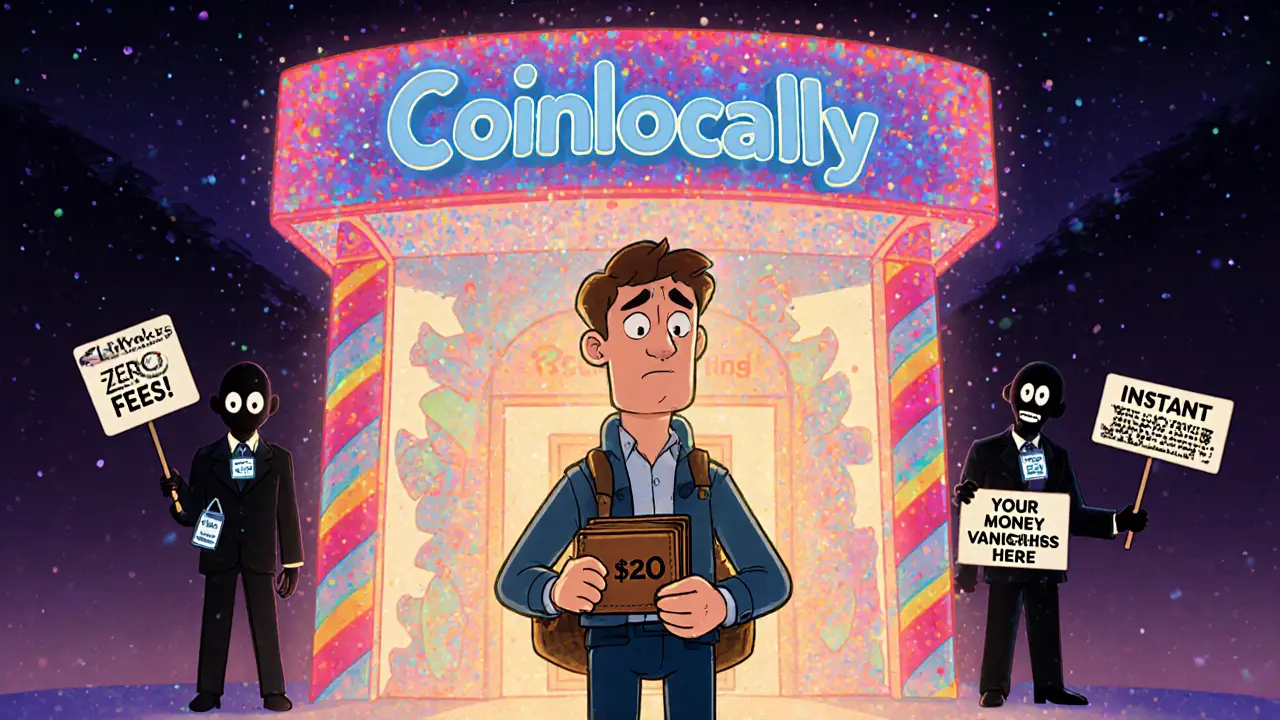
When you're trading crypto peer-to-peer, Coinlocally, a peer-to-peer cryptocurrency exchange that connects buyers and sellers directly, often without strong identity verification. Also known as P2P crypto platform, it lets users trade Bitcoin, USDT, and other coins using local payment methods like bank transfers or mobile money. But safety isn't guaranteed just because it’s popular in Nigeria, Kenya, or Brazil. Many users report disappearing funds, fake escrow holds, and support that never replies. If you’ve ever sent money and never got your crypto back, you’re not alone.
What makes P2P trading, a system where individuals trade crypto directly with each other, bypassing centralized order books risky isn’t the tech—it’s the lack of oversight. Unlike Coinbase or Kraken, Coinlocally doesn’t hold your funds. You’re trusting a stranger who might be a scammer with a fake profile. And because most trades use untraceable payment methods like mobile wallets or cash deposits, chargebacks are nearly impossible. Even worse, scammers often create fake support accounts that look real, asking you to send money to "unlock" your trade. The crypto scam, a deceptive scheme designed to steal funds by tricking users into sending crypto or revealing private keys isn’t always obvious—it looks like a normal trade until it’s too late.
Real users on Reddit and Twitter share stories of losing hundreds or thousands after trusting a "trusted" seller with a 98% rating. Some sellers use bots to inflate their reputation. Others disappear after receiving payment. Even when Coinlocally freezes an account, recovery is rare. The platform’s terms say you’re responsible for your own trades—no insurance, no refunds. That’s not a bug, it’s the model. If you’re using Coinlocally, you’re trading on trust, not security. And trust can be bought, faked, or vanished overnight.
So what should you do? Always use escrow. Never send money before the crypto is locked in the platform. Check the seller’s trade history—not just the rating, but the actual comments. Look for patterns: "never received," "support ignored," "account banned after payment." Avoid new accounts with high ratings. Use only verified payment methods. And if something feels off, walk away. There are safer P2P options out there, like LocalBitcoins (with better dispute handling) or Paxful (with mandatory ID checks). Coinlocally might be convenient, but convenience doesn’t mean safe. The posts below dig into real cases, scam tactics, and how to spot red flags before you lose your money.