
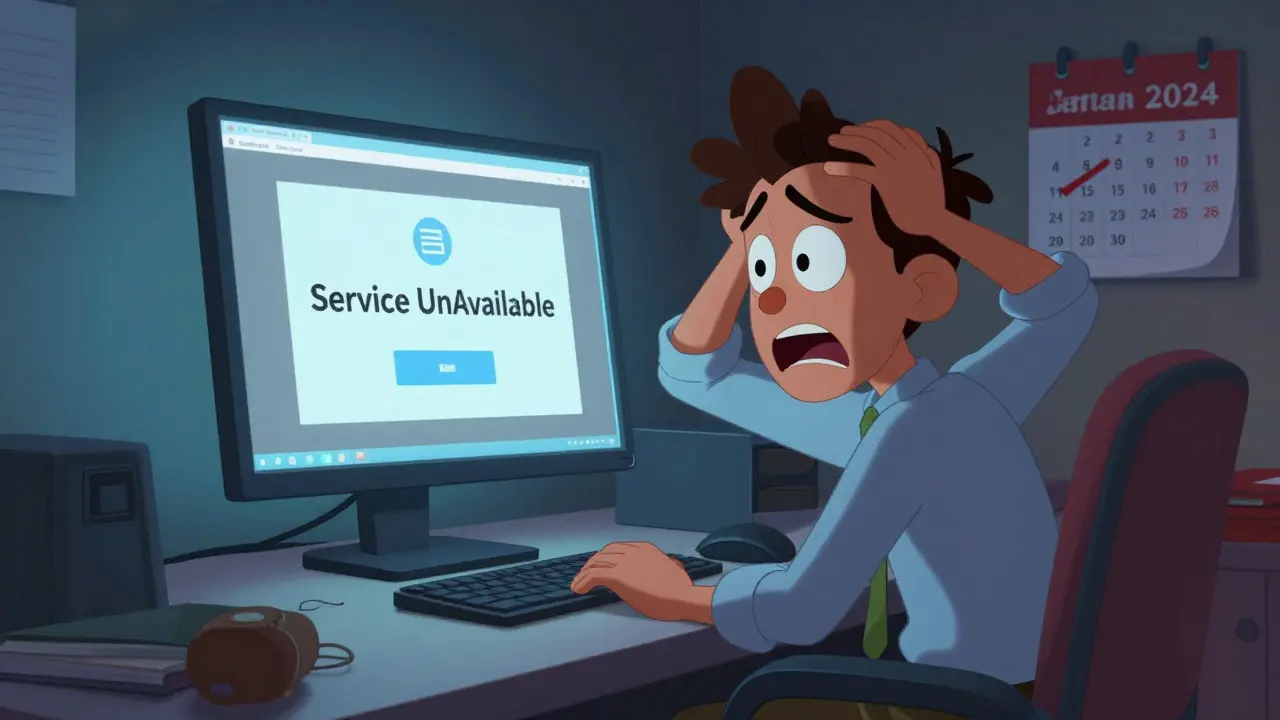
Imagine logging into your favorite trading platform to execute a quick trade, only to find the buttons grayed out and a stark message telling you to leave. That is exactly what happened with SouthXchange, a cryptocurrency exchange that once promised simplicity and speed for traders across South America. If you are reading this in July 2026, you likely have one burning question: Is SouthXchange still active? The short answer is no. The long answer involves understanding why it shut down, how it operated before its closure, and whether any lessons remain for your current trading habits.
The Current Status of SouthXchange
Let’s get the most critical fact out of the way immediately. According to authoritative data from CoinMarketCap, SouthXchange concluded all operational activities well before 2026. Deposits and trading were deactivated, and users were given a hard deadline-January 31, 2024-to withdraw any remaining funds. If you still have assets sitting in an old SouthXchange account, time is not on your side. While the official window has passed, checking their legacy contact channels might be your only recourse, though expectations should be managed carefully.
This shutdown wasn't a sudden crash but rather the end of a winding road. For years, SouthXchange held a specific niche. It was founded by PRO-Systems, a company incorporated under Argentinian law, which started working with cryptocurrencies back in 2012. The public launch happened in 2015. At its peak, it even won the 'Best Crypto Exchange in South America' award at the ADVFN International Financial Awards in 2019. But awards don't pay bills, and market dynamics changed rapidly. By 2023, the writing was on the wall, leading to the final closure announcement.
What Made SouthXchange Unique?
To understand why people used it-and why they left-you need to look at its core value proposition. SouthXchange positioned itself as a simple, fast, and mobile-friendly platform. Unlike complex interfaces that overwhelm beginners, SouthXchange aimed for clarity. Its design philosophy was "don't waste your time." You could buy, sell, or trade assets without navigating through layers of confusing menus.
The platform supported over 170 to 200 cryptocurrencies, offering more than 470 pairings. This was a significant draw for enthusiasts who wanted access to obscure altcoins not listed on major global exchanges like Binance or Coinbase. For traders in Latin America, particularly Argentina, having a local entity meant easier compliance with regional banking norms, such as SEPA transfers (though primarily European) and local bank card options. However, this regional focus also became a limitation as global competitors expanded their reach and liquidity.
Fees and Trading Costs: The Reality Check
One of the most contentious points in any SouthXchange review is the fee structure. Marketing materials often claimed "low fees," but independent analyses told a different story. Let's break down the numbers because every basis point matters when you are trading regularly.
| Fee Type | SouthXcharge Rate | Industry Average (Top Exchanges) | Verdict |
|---|---|---|---|
| Taker Fee | 0.30% | 0.10% - 0.20% | Above Average |
| Maker Fee | Variable/Low | 0.00% - 0.10% | Competitive |
| Withdrawal | Varies by Coin | Network Dependent | Standard |
ZenLedger and CryptoWisser both pointed out that a 0.30% taker fee is significantly higher than the industry standard. When you are buying an asset immediately at the current market price (acting as a taker), you paid a premium compared to using platforms like Kraken or Bitstamp. For high-volume traders, these percentages add up quickly. A trader moving $10,000 would pay $30 in fees on SouthXchange versus potentially $10-20 elsewhere. Over hundreds of trades, that difference erodes profits substantially.

Security and Regulation Concerns
Security is non-negotiable in crypto. SouthXchange implemented standard security measures for its time: two-factor authentication (2FA), encrypted data transmission, and cold storage for user funds. These are baseline requirements today, not competitive advantages. However, the biggest red flag was regulatory oversight. WikiBit explicitly noted that SouthXchange operated without formal regulatory oversight. In an era where governments worldwide are tightening rules around crypto exchanges, operating in a gray area creates immense risk.
Without strict regulatory compliance, user protection mechanisms are weaker. If something goes wrong-whether it's a hack, insolvency, or mismanagement-there is no government-backed insurance fund to fall back on. This lack of transparency extended to the development team. Users frequently cited a "lack of transparency with the developers" as a growing concern. When you can't verify who is running the show or how reserves are audited, trust becomes fragile.
User Experience and Liquidity Issues
Liquidity is the lifeblood of any exchange. It refers to how easily you can buy or sell an asset without causing a drastic change in its price. SouthXchange suffered from relatively low trading volume compared to larger competitors. Why does this matter? Imagine trying to sell a large amount of Bitcoin on SouthXchange. Because there aren't enough buyers in the order book, your sale might push the price down significantly, meaning you get less money than expected. This is known as slippage.
For casual users trading small amounts, this might not have been noticeable. But for anyone serious about trading, low liquidity is a dealbreaker. Combined with the limited support infrastructure-primarily email-only assistance-issues could take days to resolve. There was no live chat, no phone support, just tickets waiting in a queue. In a volatile market, waiting 48 hours for a response to a stuck withdrawal is unacceptable.

Why Did SouthXchange Shut Down?
No single factor caused the collapse; it was a perfect storm. First, the competitive landscape shifted. Global giants offered better liquidity, lower fees, and broader fiat on-ramps. Second, the unregulated status became a liability as banks grew wary of partnering with non-compliant exchanges. Third, user sentiment declined. Trustpilot ratings hovered around 2.1 out of 5 stars, reflecting frustration with fees, liquidity, and support. Finally, economic pressures in Argentina, where PRO-Systems was based, likely strained operations. Currency devaluation and inflation make it incredibly difficult to maintain stable reserve management for a crypto exchange.
The decision to conclude operations was likely strategic rather than forced bankruptcy, allowing them to manage the exit somewhat orderly. However, for users, the outcome was the same: the lights went out.
Lessons for Your Next Exchange Choice
SouthXchange’s journey offers valuable lessons for anyone holding crypto. Don’t just look at the number of coins listed. Look at liquidity. Check the fee structure critically-especially taker fees. Verify regulatory status. An exchange registered in a jurisdiction with strong financial laws offers better protection. And perhaps most importantly, don’t leave large sums on any exchange. Use hardware wallets for long-term storage. Exchanges are for trading, not saving.
If you are looking for alternatives today, consider established platforms with transparent reporting, deep liquidity, and responsive customer service. The market has matured since 2015, and while risks remain, the tools to mitigate them are more accessible than ever.
Frequently Asked Questions
Is SouthXchange still active in 2026?
No, SouthXchange is no longer active. It concluded all operational activities, including deposits and trading, prior to January 31, 2024. Users were instructed to withdraw funds by that date.
How do I withdraw my funds from SouthXchange now?
Since the official withdrawal deadline of January 31, 2024, has passed, standard withdrawal functions are likely disabled. Your best option is to check archived emails from SouthXchange for legacy contact information or visit their former website for any post-shutdown announcements. Be cautious of scams claiming to recover funds for a fee.
Was SouthXchange a scam?
SouthXchange was not classified as a scam during its operation. It was a legitimate centralized exchange founded by PRO-Systems. However, it faced criticism for high fees, low liquidity, and lack of regulatory oversight, which contributed to its eventual shutdown.
What were the trading fees on SouthXchange?
SouthXchange charged a taker fee of 0.30%, which was considered above the industry average at the time. Maker fees were lower, and withdrawal fees varied depending on the specific cryptocurrency being withdrawn.
Why did SouthXchange shut down?
The shutdown resulted from a combination of factors, including intense competition from larger global exchanges, low trading liquidity, higher-than-average fees, lack of regulatory oversight, and economic challenges in Argentina where the parent company was based.
Did SouthXchange have good security?
SouthXchange employed standard security measures such as two-factor authentication (2FA), encrypted data transmission, and cold storage for funds. However, it operated without formal regulatory oversight, which posed additional risks to users compared to regulated entities.