

There is a lot of noise in the crypto space right now. You see promises of massive returns, anonymous messaging apps, and free tokens dropping from the sky. SecretSky.finance is one project making waves with claims of an airstdrop campaign for its native SSF token. But before you connect your wallet or spend hours trying to qualify, we need to look at what is actually happening behind the scenes. The details available are sparse, the numbers are suspicious, and the risks are very real.
This guide breaks down the facts about the SecretSky.finance ecosystem, the proposed token distribution, and why that advertised 405,000% APY should make you pause. We will look at the contract data, the missing information, and how to protect yourself while navigating this uncertain landscape.
The Core Concept: Anonymous Crypto Messaging
At its heart, SecretSky.finance positions itself as a decentralized communication platform. Unlike Telegram or WhatsApp, which require phone numbers, SSF promotes a feature called SSF:Chat. This allows users to send messages using only their BEP-20 wallet addresses. The pitch is simple: total anonymity. No emails, no phone verification, just blockchain-based identity.
The platform claims to offer advanced privacy features. These include anti-screenshot modes and automatic message destruction. For users concerned about digital footprints, this sounds appealing. However, the technology relies on the BNB Smart Chain, formerly known as Binance Smart Chain. This means all interactions are recorded on the public ledger, even if the content of the chat is encrypted or deleted locally. True anonymity in crypto is a complex technical challenge, and few projects solve it perfectly without significant trade-offs in usability or security.
It is important to note that as of mid-2026, many of these applications are listed as "not yet available" on their official channels. Users are often directed to a product timeline rather than a working app. This gap between marketing promises and functional software is a common red flag in early-stage crypto projects.
Token Distribution and Supply Mechanics
Let’s talk about the money-or rather, the tokens. The SSF token has a fixed total supply of 1 billion units. Understanding how these tokens are distributed is crucial for evaluating any potential airdrop. According to the project's stated structure:
- 30% Presale Allocation: Tokens were supposed to be available through Unicrypt, a popular launchpad on the BNB chain. This suggests the project relied on community funding rather than venture capital.
- 20% Liquidity Pool: This portion is locked to provide trading depth on decentralized exchanges. Without this, the token would have no price stability.
- Remaining Allocation: The other 50% is typically reserved for development, team rewards, and future campaigns like airdrops. However, specific percentages for these categories are not clearly detailed in public documentation.
Here is where things get tricky. Data from major tracking platforms like CoinMarketCap shows the circulating supply of SSF as zero. If the presale happened, where did the tokens go? Are they stuck in contracts? Has the liquidity been pulled? Or is the project still in a pre-launch phase where no tokens are actively traded? The lack of transparent on-chain data regarding the current location of these tokens makes it impossible to verify the health of the project.
| Category | Percentage | Status / Notes |
|---|---|---|
| Presale (via Unicrypt) | 30% | Historical allocation; current holder distribution unknown |
| Liquidity Pool | 20% | Essential for trading; lock status unverified |
| Circulating Supply | 0% | Indicates inactive trading or pre-launch state |
| Development & Team | ~50% | Vesting schedules not publicly disclosed |
The Airdrop Hype vs. Reality
You might have seen social media posts or YouTube videos hinting at a "SecretSky.finance Campaign airdrop." Many creators discuss "hidden crypto airdrops" in the Base Layer 2 or BNB ecosystems, often bundling smaller, less-known projects into tutorials for Arbitrum or zkSync. It is easy to get swept up in this FOMO (Fear Of Missing Out).
However, legitimate airdrops have clear criteria. They usually require you to:
- Interact with a testnet or mainnet contract during a specific window.
- Hold a certain amount of a partner token.
- Complete specific governance actions or social tasks.
For SecretSky.finance, there is no official snapshot date. There are no verified eligibility criteria published on a trusted domain. There is no vesting schedule explaining when you can sell received tokens. Without these details, any claim of an active airdrop is speculative at best. In the worst case, it could be a phishing attempt designed to trick you into signing malicious transactions that drain your wallet.
The Danger of Unsustainable Yields
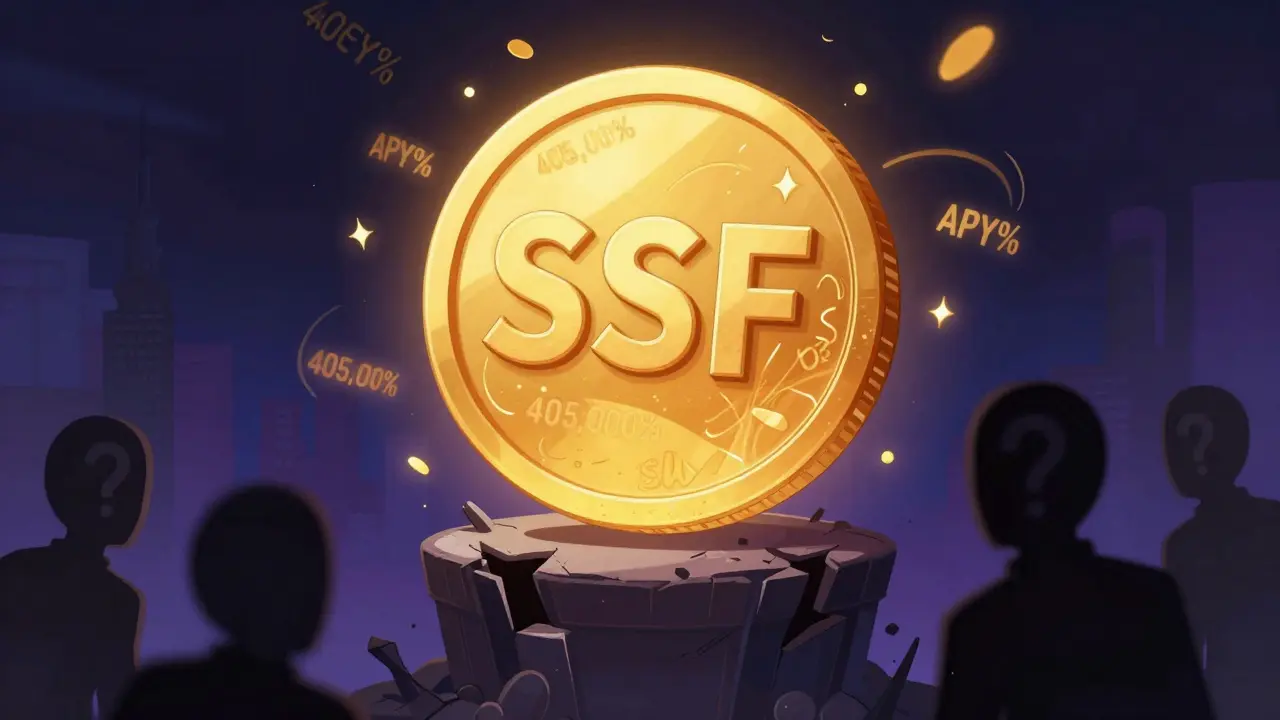
One of the most alarming aspects of the SecretSky.finance promotion is the staking reward structure. The platform advertises an Annual Percentage Yield (APY) of over 405,000%. To put that in perspective, traditional finance offers around 4-5% for savings accounts. Even aggressive DeFi protocols rarely exceed 100-200% APY for short periods.
An APY of 405,555.56% is mathematically unsustainable. Here is why:
- Inflationary Pressure: To pay such high rewards, the protocol must mint new tokens at an exponential rate. This dilutes the value of existing tokens instantly.
- Ponzi Dynamics: High yields often rely on new investor money paying off old investors. Once new inflows stop, the system collapses.
- Day Percentage Yield (DPY): The reported DPY of 1,111.11% suggests that your investment doubles every single day. No legitimate business model generates that kind of daily profit.
If you stake your tokens expecting these returns, you are likely betting on a bubble that will burst quickly. When the music stops, the token price usually crashes to near zero, leaving early adopters with worthless assets. This pattern is common in "rug pull" scenarios where developers abandon the project after extracting maximum value.
Security Red Flags and Due Diligence
Before interacting with any smart contract, especially one linked to a mysterious airdrop, you need to perform due diligence. Here are the critical checks for SecretSky.finance:
- Smart Contract Audit: Has the contract address (0x6836...ab7ffa) been audited by a reputable firm like CertiK or Hacken? Public search results do not show any audit reports. Unaudited code contains vulnerabilities that hackers exploit.
- Team Anonymity: While privacy is part of the brand, completely anonymous teams with no track record increase risk. Who is responsible if the funds disappear?
- Trading Volume: With $0 volume reported on major aggregators, there is no market liquidity. Even if you receive an airdrop, you cannot sell it without crashing the price or getting stuck.
- Official Channels: Beware of impersonators. Always verify links through official Twitter or Discord handles. Scammers create fake websites that look identical to the real thing to steal seed phrases.
The absence of a whitepaper, roadmap milestones, or verified team credentials raises serious questions about the project's legitimacy. In the crypto world, transparency is trust. When a project hides its fundamentals behind hype, it is safer to stay away.
How to Protect Your Wallet
If you decide to explore SecretSky.finance despite the risks, follow these safety steps. Never compromise on security for the chance of a free token.
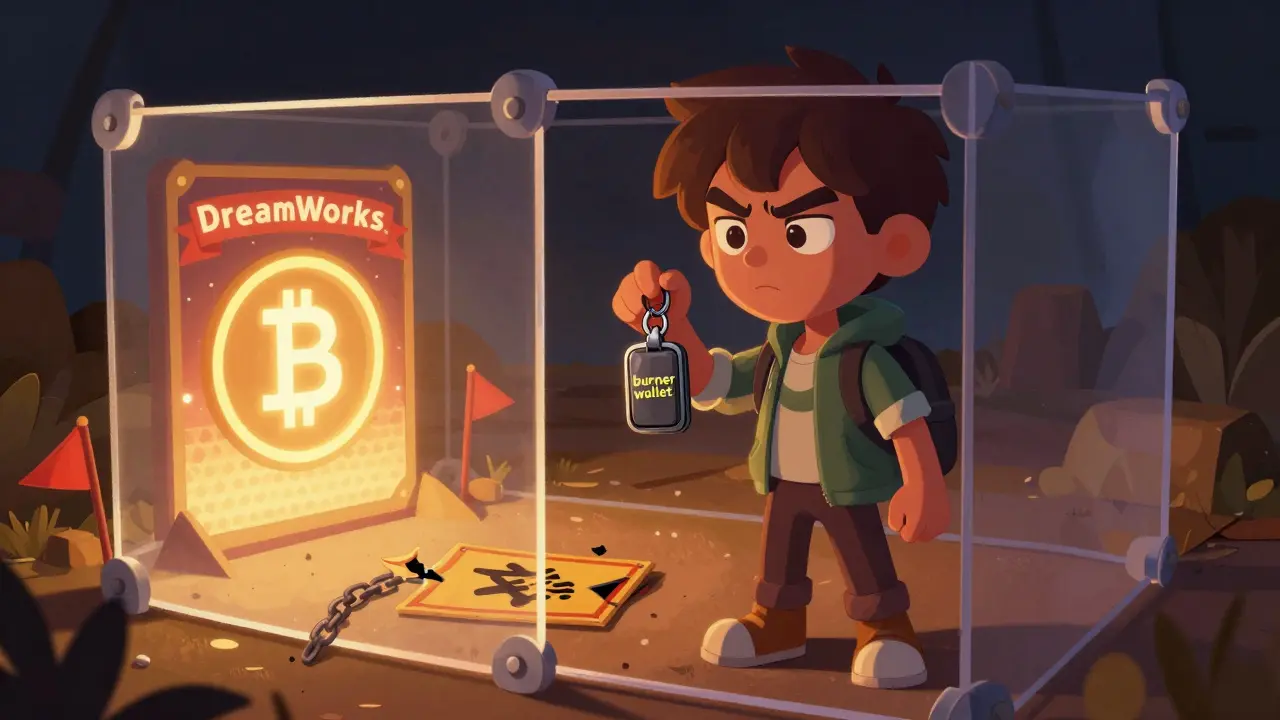
- Use a Burner Wallet: Create a separate wallet with no significant funds. Use this only for interacting with unverified dApps. Never use your main holding wallet.
- Revoke Permissions: After interacting with any contract, use tools like Revoke.cash to remove approval permissions. This prevents the contract from draining your assets later.
- Verify Contract Addresses: Copy the address directly from official sources. Do not click links in DMs or comments. One wrong character leads to a different, potentially malicious contract.
- Ignore "Guaranteed" Returns: Remember that 400,000% APY is not a feature; it is a warning sign. Sustainable projects focus on utility, not hyper-inflationary rewards.
Conclusion: Proceed with Extreme Caution
The SecretSky.finance campaign presents a classic case of high-risk crypto speculation. The promise of anonymous messaging is interesting, but the execution lacks transparency. The tokenomics are unclear, the trading activity is non-existent, and the staking rewards are dangerously unrealistic.
While the allure of a free airdrop is strong, the potential cost-losing access to your funds or supporting a fraudulent scheme-is too high. Until the project provides audited contracts, clear distribution rules, and sustainable economic models, it remains in the danger zone. Stay skeptical, do your own research, and prioritize the security of your assets over fleeting opportunities.
Is the SecretSky.finance airdrop legitimate?
There is no official confirmation of a legitimate airdrop campaign with clear criteria. The lack of snapshot dates, eligibility rules, and verified announcements suggests that any current claims may be unofficial or potentially fraudulent. Exercise extreme caution.
What is the SSF token used for?
The SSF token is intended for governance and staking within the SecretSky.finance ecosystem. It is also meant to facilitate transactions related to the SSF:Chat anonymous messaging service. However, since the application is not fully launched, the utility is currently theoretical.
Why is the APY so high (405,000%)?
Such high yields are typically unsustainable and indicate high inflation or a Ponzi-like structure. They are used to attract initial liquidity but often lead to rapid devaluation of the token. This is a major red flag for long-term viability.
Can I buy SSF tokens now?
Current data shows zero circulating supply and zero trading volume on major platforms. This means there is no active market to buy or sell tokens safely. Any attempt to trade may involve illiquid pools or scams.
Is SecretSky.finance safe to use?
Safety cannot be guaranteed due to the lack of smart contract audits, anonymous team, and unclear tokenomics. Using unverified dApps carries significant risk of fund loss. Always use a burner wallet and revoke permissions after interaction.