

Have you received an unexpected notification about a SafeLaunch (SFEX) token airdrop? If so, stop right there. Before you click any link or sign any transaction, you need to understand the reality behind this specific project. In the world of cryptocurrency, free tokens are rarely just "free." They are often bait used by malicious actors to drain your wallet.
The short answer is that the SafeLaunch (SFEX) token currently shows zero trading volume and no legitimate market presence on major exchanges like CoinMarketCap. This silence is not a good sign; it is a red flag. Most likely, the "airdrop" you heard about is either a non-existent rumor or, more dangerously, a phishing attempt designed to steal your assets. Let’s break down exactly why you should be extremely cautious and how to protect yourself.
The Truth About SafeLaunch (SFEX) Token Status
To evaluate any airdrop, we first look at the token itself. The SafeLaunch token, identified by the ticker SFEX, appears in several data aggregators but with alarming metrics. According to recent data from CoinMarketCap, the live price of SFEX is listed as $0 USD. Even more concerning, the 24-hour trading volume is also $0 USD.
What does this mean for you? It means there is no liquidity. You cannot sell these tokens if you somehow get them. There is no market demand. Legitimate projects with active airdrops usually have a visible market cap, active trading pairs, and a community discussing the tokenomics. The absence of all these factors suggests that SafeLaunch is either inactive, delisted due to irregularities, or simply a placeholder contract created for a scam.
Compare this to established projects. For instance, the SAFE token from Safe Global has a clear supply structure, active trading volumes exceeding millions of dollars daily, and transparent governance. SafeLaunch lacks this transparency entirely. When a project has no footprint, asking users to interact with it is a massive risk.
How Fake Airdrop Scams Work
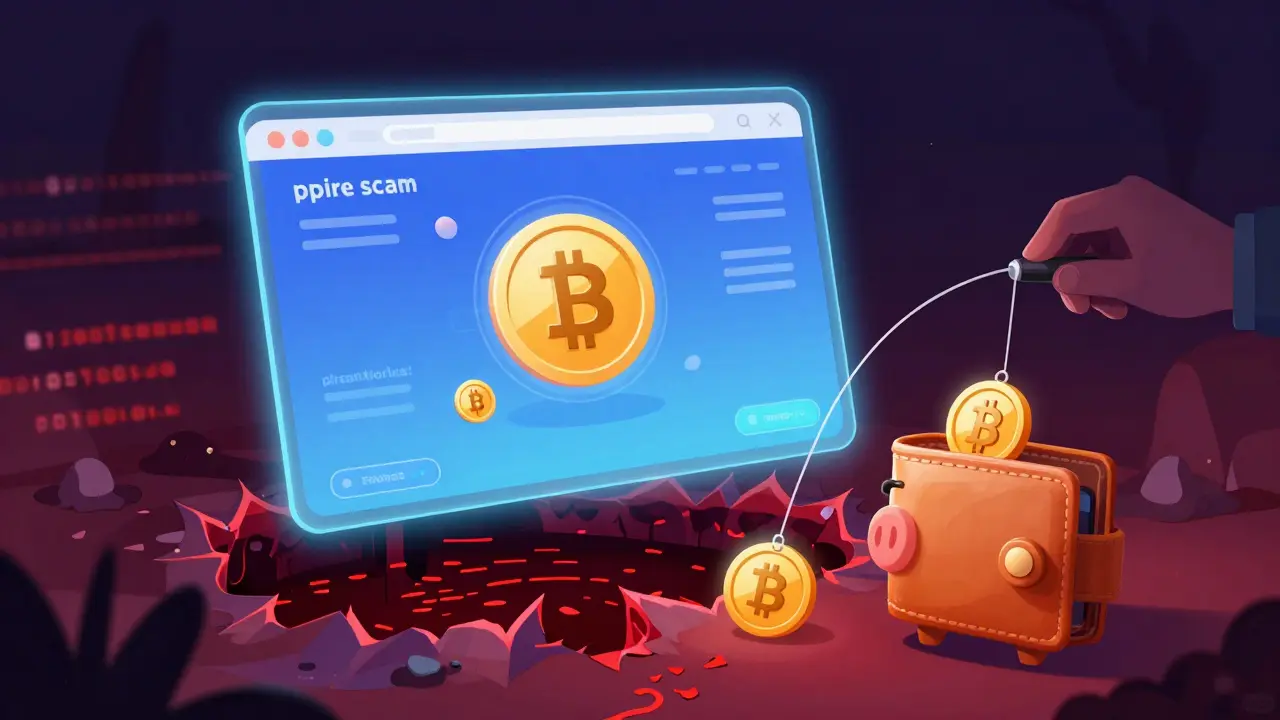
You might be wondering, "If the token is worthless, why am I being targeted?" This is where the danger lies. Scammers don't care if the token is worth money; they care about what happens when you try to claim it. Here is the typical playbook used in fake airdrop campaigns:
- The Bait: You receive a message via Telegram, Twitter DM, or email claiming you are eligible for a large amount of SFEX tokens.
- The Hook: To claim the tokens, you are directed to a website that looks professional but is actually controlled by the attacker.
- The Trap: The site asks you to connect your wallet (like MetaMask or Phantom). It might ask for a small "gas fee" or "verification transaction" to unlock the rewards.
- The Drain: When you approve this transaction, you aren't paying a fee. You are signing a malicious smart contract that grants the attacker unlimited access to your existing funds. Within seconds, your ETH, SOL, or other assets are drained.
This method exploits trust. People see "Free Crypto" and forget basic security hygiene. Malicious NFTs and tokens are frequently airdropped into wallets randomly. If you try to transfer or sell these unwanted assets without checking the contract address, you trigger the exploit. Tools like Trezor Suite have even updated their software (version 24.7.3) to blur and hide known scam airdrop tokens to prevent users from accidentally interacting with them.
Red Flags: How to Spot a Dangerous Project
Not every unknown project is a scam, but SafeLaunch exhibits multiple characteristics that align with high-risk or fraudulent operations. Use this checklist to evaluate any airdrop offer:
- No Official Documentation: Legitimate projects publish whitepapers, tokenomics reports, and team information. SafeLaunch lacks comprehensive public documentation in authoritative sources.
- Zero Trading Activity: As noted, $0 volume means no one is buying or selling. Why would you want a token nobody else wants?
- Pressure Tactics: Scammers create urgency. "Claim within 24 hours or lose out!" Never rush a blockchain transaction.
- Unverified Channels: If the announcement comes from an unverified Twitter account or a random Telegram group, ignore it. Check the official website directly, not links in messages.
- Vague Roadmap: Real projects explain what they build. SafeLaunch offers no clear utility or technological innovation compared to competitors like EigenLayer or Hyperliquid.
Safer Alternatives in the Airdrop Space
If you are interested in participating in crypto airdrops, focus on projects with proven track records and transparent mechanisms. The landscape in 2025-2026 has shifted towards quality over quantity. Projects now reward genuine usage rather than simple social media clicks.
| Feature | Legitimate Project (e.g., Safe, Hyperliquid) | Suspicious Project (e.g., SafeLaunch/SFEX) |
|---|---|---|
| Token Price & Volume | Active trading, visible market cap | $0 price, $0 volume, no liquidity |
| Documentation | Detailed tokenomics, vesting schedules | No whitepaper, vague claims |
| Community Presence | Verified Discord, Twitter, GitHub activity | Unverified channels, bot-like comments |
| Claim Process | On-chain snapshot, no upfront fees | Requires "approval" transactions, gas fees |
| Security Audits | Audited by firms like CertiK or OpenZeppelin | No audit info, anonymous devs |
Projects like Meteora, Monad, and Abstract have gained attention because they provide real value through decentralized finance protocols, Layer 1 blockchains, or liquidity solutions. They use point systems to reward users who actually use the platform, not just those who join a chat group. Always prioritize projects that are listed on reputable trackers like CoinGecko or CoinMarketCap with verified badges.
Protecting Your Wallet: Essential Security Steps
Your digital assets are only as safe as your habits. Whether you are investigating SafeLaunch or any other new token, follow these steps to stay secure:
- Use a Burner Wallet: Never connect your main wallet holding significant funds to new or unverified websites. Use a separate wallet with minimal funds for testing interactions.
- Revoke Permissions Regularly: If you accidentally approved a contract, revoke it immediately using tools like Revoke.cash. This cuts off the attacker's access to your tokens.
- Verify Contract Addresses: Copy the contract address from the official source and paste it into Etherscan or Solscan. Look for warnings, low holder counts, or suspicious code patterns.
- Ignore Unexpected Tokens: If a strange token appears in your wallet, do not try to send it back or sell it. It could be a honeypot. Simply ignore it or hide it in your wallet settings.
- Enable Hardware Wallets: For larger holdings, use hardware wallets like Trezor or Ledger. They add an extra layer of physical confirmation for transactions.
Conclusion: Stay Skeptical, Stay Safe
The SafeLaunch (SFEX) airdrop narrative lacks the foundational elements of a legitimate cryptocurrency project. With zero trading volume, no verifiable team, and no transparent tokenomics, the risks far outweigh any potential reward. In the crypto space, if something sounds too good to be true, it almost always is. Protect your capital by sticking to well-documented, actively traded projects and never signing transactions you do not fully understand.
Is the SafeLaunch (SFEX) token legit?
Based on current data, SafeLaunch (SFEX) shows signs of being inactive or potentially fraudulent. It has a $0 price and $0 trading volume on major trackers like CoinMarketCap, which indicates no real market interest or liquidity. Proceed with extreme caution.
Can I claim SafeLaunch tokens safely?
It is highly risky to attempt claiming SFEX tokens. Many fake airdrops use malicious smart contracts to drain your wallet when you try to claim rewards. Only interact with projects that have verified audits and transparent documentation.
What should I do if I received an SFEX airdrop notification?
Do not click any links in the notification. Do not connect your wallet to any associated website. Delete the message. Unsolicited airdrop notifications are a common vector for phishing attacks.
Why is the SafeLaunch price $0?
A $0 price usually means the token is not listed on any major exchange or has no liquidity pools. Without buyers and sellers, the token has no market value. This is a strong indicator of an abandoned or scam project.
How can I verify if a crypto airdrop is real?
Check for official announcements on verified social media accounts, look for detailed tokenomics and whitepapers, and ensure the token is listed on reputable data aggregators like CoinGecko or CoinMarketCap with active trading volume.