

You have likely seen ads for PointPay, a platform that promises to be more than just a cryptocurrency exchange. It markets itself as a full-service digital bank, offering everything from trading to savings accounts and loans. But does it actually deliver on those promises, or is it just another flashy interface with hidden risks? With over 3 million users worldwide, the platform has grown fast since its launch in 2018. However, speed of growth doesn't always equal safety or reliability.
In this review, we cut through the marketing noise. We look at the real costs, the regulatory standing, and whether your funds are truly secure. If you are looking for a simple place to buy Bitcoin or a complex ecosystem for staking and lending, here is what you need to know before you deposit a single dollar.
What Exactly Is PointPay?
Unlike traditional exchanges like Binance or Coinbase that focus primarily on trading, PointPay positions itself as a comprehensive financial ecosystem. Founded in 2018, it operates across multiple jurisdictions, including St. Vincent & the Grenadines, Estonia, and Lithuania. This multi-jurisdictional setup is common in the crypto world, but it matters because it affects how regulated the service is for you.
The core idea behind PointPay is "crypto banking." They want to replace traditional banks by offering services usually found in brick-and-mortar institutions, but entirely on the blockchain. This includes:
- A cryptocurrency exchange for buying and selling assets.
- Digital wallets for storing coins.
- Savings accounts that pay interest on stablecoins.
- Crypto-backed loans without credit checks.
- Payment processing systems.
This breadth of service is its main selling point. Instead of using one app for trading, another for staking, and a third for payments, PointPay tries to do it all in one place. For beginners, this can feel convenient. For advanced users, it raises questions about specialization versus generalization.
Trading Experience and Interface
When you log in, you will notice three distinct interfaces. This is a smart move because not every user wants the same experience.
- Quick Exchange: This is for beginners. You simply select the coin you want to buy, enter the amount, and click buy. It works like buying something on Amazon. No charts, no order books. Just instant execution.
- Classic Interface: A standard trading view suitable for intermediate traders who want to see basic price action and place limit orders.
- Advanced Interface: Designed for professional traders. It offers deep liquidity access, stop-limit orders, and detailed market data.
The platform supports major cryptocurrencies like Bitcoin (BTC), Ethereum (ETH), and various altcoins. One notable feature is the support for fiat-to-crypto purchases using debit and credit cards in USD, EUR, and GBP. The integration with payment providers allows for near-instant deposits, which is crucial when the market is moving fast.
However, liquidity can vary. While major pairs like BTC/USDT have high volume, smaller altcoins might suffer from wider spreads. Always check the depth chart before placing large market orders to avoid slippage.
Earning Interest and Staking Opportunities
One reason people flock to PointPay is the potential to earn passive income. The platform offers several ways to grow your holdings without active trading.
Savings Accounts: You can earn interest on popular stablecoins like USDT, USDC, and DAI. The annual percentage yield (APY) can go up to 8% depending on whether you choose a flexible checking account or a fixed-term savings account. This is significantly higher than traditional bank savings rates, which often sit below 1% in many countries.
PXP Token Staking: PointPay has its own native token called PXP. Holding and staking PXP can yield rewards of up to 20% per year. The rewards scale based on how long you lock your tokens-options include 3, 6, or 12-month periods. Longer locks generally mean higher returns, but they also reduce your liquidity. Keep in mind that PXP is a utility token within their ecosystem, so its value fluctuates with market sentiment toward the platform itself.
Lending: If you need cash but don't want to sell your crypto, PointPay offers instant loans. You can use seven popular cryptocurrencies as collateral to borrow USDT. Since the loan is backed by your crypto assets, there is no credit check. This is useful for short-term liquidity needs, but be careful: if the value of your collateral drops too much, you risk liquidation.

Fees: What Will It Cost You?
Fees are where many exchanges lose trust. PointPay claims to have some of the lowest fees in the market, but let's break down what that actually means.
| Fee Type | Details |
|---|---|
| Trading Fees | Competitive maker/taker fees. Exact rates depend on your VIP level and PXP holdings. Generally lower than industry averages. |
| Deposit Fees | Crypto deposits are typically free. Fiat deposits via card may incur processor fees (usually 1-3%). |
| Withdrawal Fees | Network-dependent. Varies by blockchain congestion. Check the current fee schedule before withdrawing. |
| Inactivity Fee | Some platforms charge for dormant accounts. Verify if PointPay applies this after a certain period of inactivity. |
While the headline numbers look good, always calculate the total cost. For example, a low trading fee might be offset by a wide spread on less liquid pairs. Also, holding PXP tokens can sometimes reduce these fees, which incentivizes you to buy into their ecosystem further.
Security and Regulatory Status
Is your money safe? This is the most important question. PointPay describes its security measures as "state-of-the-art," but vague terms don't protect your funds. Let's look at the concrete facts.
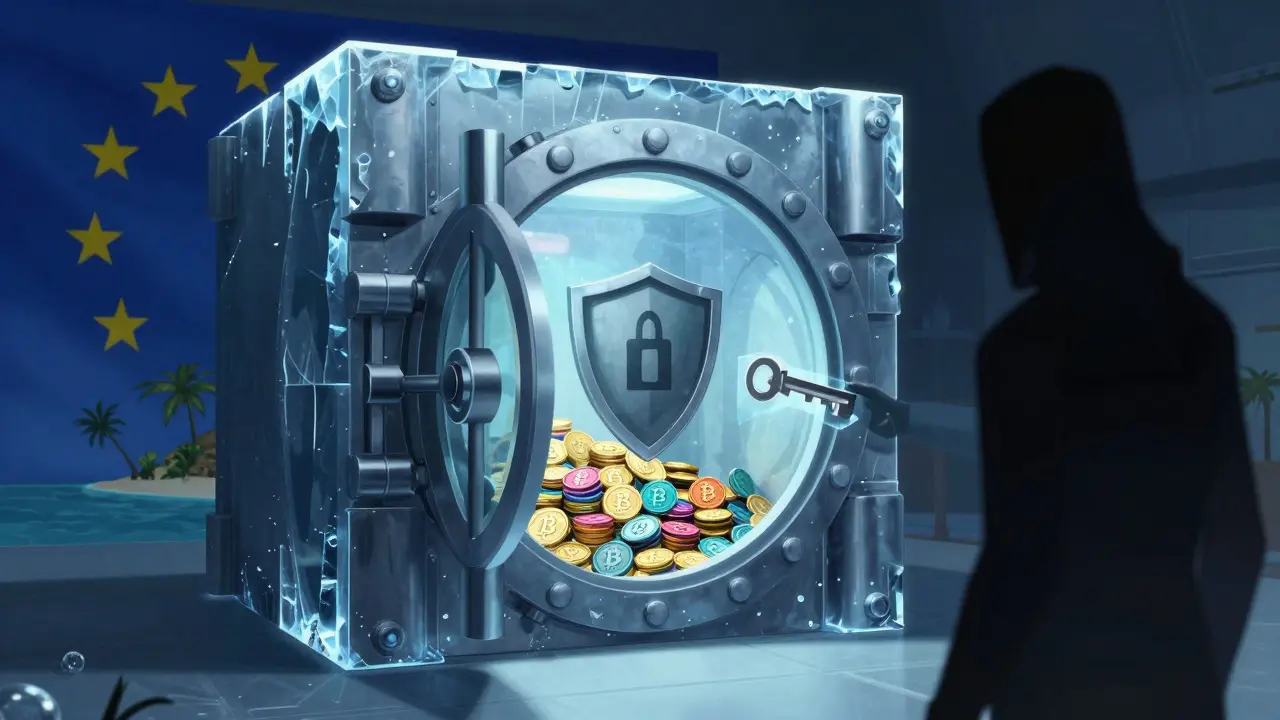
Regulation: PointPay's Lithuanian subsidiary, UAB Point Pay EU, holds an official license to operate with digital assets. This is a significant plus for European users, as it means compliance with EU regulations. However, for users outside Europe, the primary entity is incorporated in St. Vincent & the Grenadines, a jurisdiction known for lighter regulation. This dual structure provides flexibility for the company but varying levels of consumer protection for you.
Technical Security: The platform uses cold storage for the majority of user funds, meaning most assets are kept offline and away from internet-connected servers. They also employ two-factor authentication (2FA) and other standard security protocols. However, specific details about insurance funds or proof of reserves are not prominently published, which is a gap compared to top-tier competitors like Kraken or Coinbase.
User Reputation: On Trustpilot, PointPay holds a 4.8-star rating from over 559 reviews. This suggests high customer satisfaction, particularly regarding ease of use and customer support. However, review sites can be skewed by positive incentives. Always cross-reference with community forums to see if there are reports of frozen withdrawals or unresolved issues.
Pros and Cons Summary
To help you decide quickly, here is a balanced look at the strengths and weaknesses of using PointPay in 2026.
- Pros:
- All-in-one ecosystem (trade, save, lend).
- High APY on stablecoins and PXP staking.
- User-friendly interface for beginners.
- EU licensing for European residents adds a layer of trust.
- Fast fiat on-ramps via credit/debit cards.
- Cons:
- Less transparent proof of reserves compared to public competitors.
- Liquidity on smaller altcoin pairs can be thin.
- Native token dependency for best rates encourages speculation.
- Customer support response times can vary during peak volatility.
Who Should Use PointPay?
PointPay is not for everyone. Here is who fits best:
Beginners and Passive Investors: If you want to buy Bitcoin easily and then park your USDT to earn 8% interest without worrying about daily trades, PointPay is a strong candidate. The Quick Exchange and Savings features are designed exactly for this workflow.
European Users: Residents in the EU benefit from the Lithuanian license, which offers better recourse in case of disputes compared to unregulated offshore entities.
Not Ideal For: High-frequency day traders who require ultra-low latency and deep order book liquidity might find specialized exchanges like Bybit or OKX more suitable. Also, purists who distrust centralized entities holding their keys should stick to non-custodial wallets like Ledger or Trezor combined with decentralized exchanges (DEXs).
Final Verdict
PointPay has carved out a unique niche by blending exchange functionality with banking services. Its 2026 roadmap, including the upcoming Decentralized Exchange (DEX) module and crypto debit cards, shows ambition. For users seeking convenience and decent yields on stablecoins, it is a viable option. However, due diligence is key. Never invest more than you can afford to lose, and consider diversifying your holdings across multiple platforms to mitigate counterparty risk. Start with small amounts, test the withdrawal process, and verify the security settings before committing significant capital.
Is PointPay available in my country?
PointPay operates in over 200 countries. However, availability depends on local regulations. Users in restricted jurisdictions may face limitations on fiat deposits or account verification. Check the platform's supported countries list before signing up.
How do I withdraw money from PointPay?
You can withdraw crypto to any external wallet address. For fiat withdrawals, you can use linked bank accounts or cards, subject to processing times and fees. Ensure your account is fully verified (KYC) to unlock higher withdrawal limits.
What is the PXP token used for?
PXP is the native utility token of the PointPay ecosystem. It is used for staking to earn rewards, paying for transaction fees at a discount, and participating in governance or future platform features like the upcoming DEX.
Are my funds insured on PointPay?
PointPay uses cold storage for security, but specific details about third-party insurance for user funds are not explicitly detailed in public documentation. This is a common gap in the crypto industry. Always assume custodial risk exists.
Does PointPay have a mobile app?
Yes, PointPay offers a mobile application for both iOS and Android devices. The app provides full functionality including trading, staking, and managing your wallet, allowing you to manage your portfolio on the go.
How does PointPay compare to Binance?
Binance offers deeper liquidity and a wider range of altcoins, making it better for active traders. PointPay focuses on a holistic banking experience with integrated savings and loans, appealing more to passive investors and those seeking simplicity.
Can I get a loan on PointPay?
Yes, PointPay offers crypto-backed loans. You can pledge supported cryptocurrencies as collateral to receive USDT instantly. There is no credit check, but the loan-to-value ratio and interest rates depend on market volatility.
What happens if the PXP token price drops?
If you hold PXP for staking rewards, a drop in price reduces the fiat value of your holdings. However, the staking rewards continue to accrue in PXP tokens. It is essential to monitor the token's market performance relative to the APY earned.