
You’ve heard the hype. You’ve seen the ads promising life-changing returns with zero risk. Now you’re staring at ko.one, a platform that claims to be your gateway to financial freedom. But here’s the hard truth: if you can’t find solid information about a crypto exchange, that silence is screaming louder than any marketing slogan.
In the world of digital assets, anonymity isn’t a feature; it’s a red flag. When we dig into the background of ko.one, we hit a wall. There are no verified security audits, no clear regulatory licenses, and virtually no independent user reviews from reputable sources. This lack of transparency is exactly what separates legitimate platforms from potential traps. Before you deposit a single cent, you need to understand why this obscurity matters and how to protect yourself.
The Silence Around Ko.one: Why Information Matters
When evaluating a financial platform, the first step is due diligence. For established exchanges like Coinbase or Kraken, you can find years of news coverage, regulatory filings, and community discussions. For Ko.One, the internet is surprisingly quiet. Search results yield little more than generic landing pages or unverified social media posts. This absence of data suggests one of two things: either the platform is brand new and untested, or it lacks the infrastructure to support long-term operations.
Consider the difference between a local bank and a pop-up ATM in an alleyway. Both dispense cash, but only one has accountability. In crypto, accountability comes through public records. Legitimate exchanges publish their team members, headquarters location, and legal entity details. If ko.one hides these basics, ask yourself who you are actually trusting with your money. The burden of proof lies with the exchange, not you.
Red Flags: What Legitimate Exchanges Do Differently
To spot a risky platform, compare it against industry standards. Established exchanges don’t just promise security; they prove it. Here is what you should look for before committing funds:
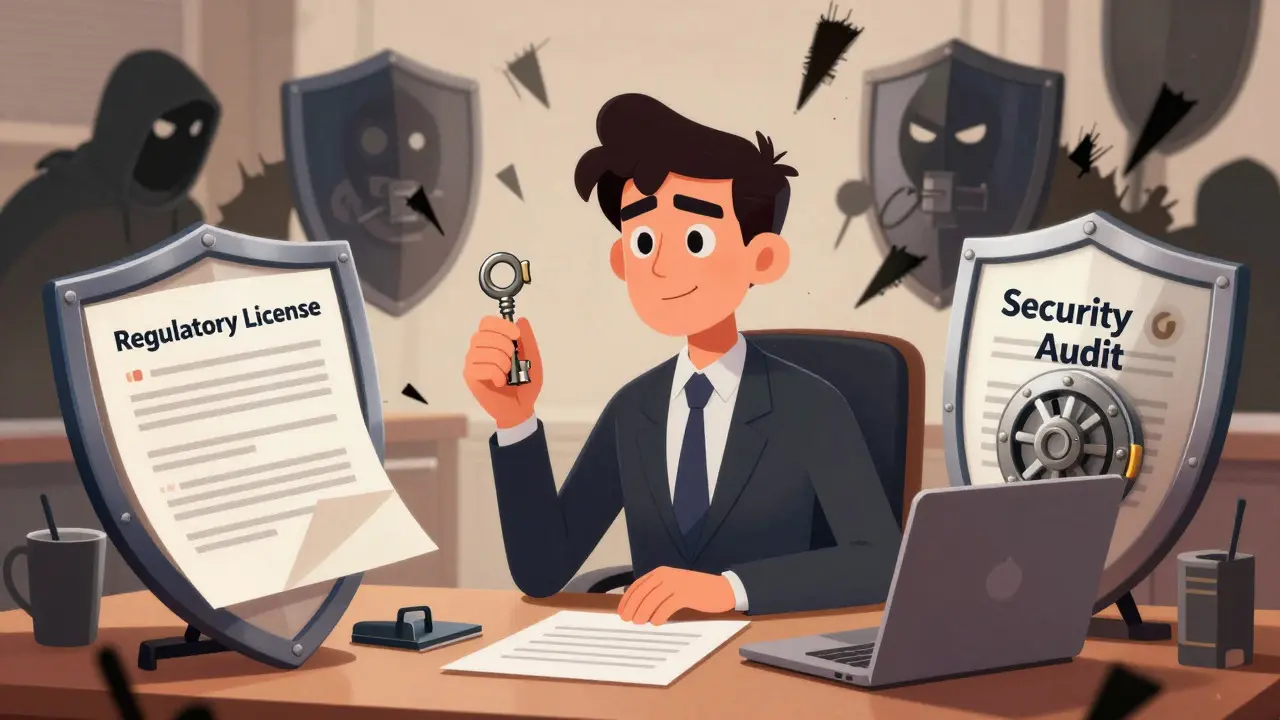
- Regulatory Compliance: Top-tier exchanges hold licenses in major jurisdictions (like the US, EU, or UK). They comply with Anti-Money Laundering (AML) and Know Your Customer (KYC) laws. These aren’t bureaucratic hurdles; they are shields against fraud.
- Security Audits: Reputable firms hire third-party experts to test their code. Look for partnerships with security firms like CertiK or Hacken. If an exchange hasn’t been audited, its code might have hidden vulnerabilities waiting to be exploited.
- Cold Storage Practices: Smart exchanges keep the majority of user funds in "cold storage"-offline wallets that hackers can’t reach. Only a small percentage stays online for daily transactions. If ko.one doesn’t specify this ratio, assume the worst.
- Transparent Fee Structures: Hidden fees are a classic tactic. Legitimate platforms list trading, withdrawal, and deposit fees clearly on their website. Vague terms like "competitive rates" without specific numbers are a warning sign.
Without these pillars, a platform operates in the shadows. The history of crypto is littered with exchanges that vanished overnight because they lacked these safeguards. Remember Mt. Gox? It was once the dominant player until poor security led to the loss of 850,000 bitcoins. Or DMM Bitcoin in Japan, which shut down in late 2024 after a massive breach. These weren’t small players; they were giants that fell because they underestimated risk management.

The Psychology of New Platforms
Why do people still join obscure exchanges? Often, it’s FOMO (Fear Of Missing Out). Marketing campaigns highlight early-bird bonuses or exclusive tokens. They create a sense of urgency, pushing you to act before thinking. This psychological pressure is designed to bypass your logical brain.
Think about it: if a platform is truly revolutionary, why does it need to hide its track record? Why rely on flashy graphics instead of concrete data? Experienced traders know that consistency beats intensity. A platform that has survived market crashes, regulatory changes, and cyber threats proves its resilience. A new, unknown entity has nothing to prove yet-and everything to lose.
How to Verify Any Crypto Exchange
If you’re determined to explore lesser-known platforms, follow this checklist to minimize risk. Don’t take their word for it; verify every claim.
- Check Regulatory Registries: Visit government financial service websites. Search for the exchange’s name. If they claim to be licensed, find the license number and verify it directly with the regulator.
- Search for Independent Reviews: Avoid reviews hosted on the exchange’s own site. Look for discussions on Reddit, Trustpilot, or specialized crypto forums. Pay attention to complaints about withdrawals being delayed or blocked.
- Test Customer Support: Send a detailed question before signing up. See how quickly and accurately they respond. Poor support now means nightmare conditions when you’re trying to withdraw profits later.
- Analyze the Team: Are the founders real people with LinkedIn profiles and professional histories? Anonymous teams are common in decentralized projects but rare in centralized exchanges where custody of funds is involved.
- Start Small: If you proceed, deposit only what you can afford to lose. Test the withdrawal process immediately. Many scams allow deposits but block withdrawals once large sums are involved.
Alternatives to Consider
Instead of gambling on an unknown entity, consider sticking with proven platforms. While they may charge slightly higher fees, they offer peace of mind. Exchanges like Binance, Kraken, and Coinbase have spent years building trust through transparency and robust security. They also provide educational resources, customer support, and insurance funds for certain assets. In crypto, safety is the ultimate luxury.
| Feature | Legitimate Exchange | Suspicious Platform (e.g., Ko.one) |
|---|---|---|
| Regulatory Status | Licensed & Transparent | Unclear or Unlicensed |
| Security Audits | Regular Third-Party Reports | No Public Audit History |
| User Reviews | Thousands of Verified Feedbacks | Few or No Independent Reviews |
| Withdrawal Process | Clear Limits & Times | Vague Terms or Delays |
Final Thoughts on Risk Management
Your capital is your responsibility. No amount of marketing can replace due diligence. If a platform makes you feel uneasy, trust that instinct. The crypto market is volatile enough without adding operational risk. Stick to platforms that respect your intelligence by providing clear, verifiable information. In the end, the best return on investment is the one you can actually withdraw.
Is Ko.one a legitimate crypto exchange?
There is currently insufficient evidence to confirm Ko.one as a legitimate exchange. It lacks visible regulatory licenses, independent security audits, and widespread user feedback, which are standard markers of legitimacy in the crypto industry.
What are the biggest red flags for a crypto scam?
Major red flags include anonymous teams, lack of regulatory compliance, promises of guaranteed high returns, poor or non-existent customer support, and difficulty finding independent reviews or news coverage.
How can I check if a crypto exchange is regulated?
Visit the official websites of financial regulators in major jurisdictions (such as the SEC in the US, FCA in the UK, or ASIC in Australia) and search their registered entities database for the exchange’s name.
Why is cold storage important for my crypto?
Cold storage keeps the majority of user funds offline, protecting them from online hacking attempts. Legitimate exchanges use this method to ensure that even if their web servers are breached, most assets remain safe.
Should I invest in new, unknown crypto platforms?
Generally, no. New platforms carry higher risks due to untested security and lack of regulatory oversight. It is safer to use established exchanges with proven track records unless you are prepared to lose the entire amount invested.