

You walk into a coffee shop in Istanbul, and the barista shakes their head when you try to pay with Bitcoin. It’s not that they don’t like crypto; it’s illegal to use it for payments. Since April 2021, the Central Bank of the Republic of Turkey (CBRT) has banned using cryptocurrency as a means of payment. Yet, if you look at the data, Turkey remains one of the most active crypto markets in the world. How does this paradox exist? The answer lies in a complex web of licensed exchanges, peer-to-peer networks, and technical workarounds that millions of citizens use daily.
This isn't just about breaking rules; it's about financial survival and opportunity in an economy with high inflation. With the Turkish lira facing volatility, citizens have turned to digital assets for protection. But navigating the legal gray areas requires knowing exactly which methods are safe, which are risky, and how the regulations actually work on the ground. Here is how Turkish citizens trade crypto despite the ban.
The Legal Landscape: What Is Actually Allowed?
To understand the trading methods, you first need to separate myth from reality. The CBRT’s circular No. 2021-32/33 specifically prohibits using crypto for *payments*. This means you cannot buy groceries or pay rent with Ethereum. However, holding and trading cryptocurrencies remain legal. This distinction is crucial. The government views crypto as an asset class, similar to gold or stocks, rather than currency.
The regulatory body overseeing these trades is the Capital Markets Board (CMB). In early 2025, the CMB tightened its grip by issuing provisional licenses to specific centralized exchanges. Platforms like Binance Turkey, Paribu, and the relaunched Thodex now operate under strict supervision. These platforms require mandatory identity verification (KYC) for transactions exceeding 15,000 Turkish lira (approximately $425). This threshold was established by the February 2025 Anti-Money Laundering (AML) regulation published in Official Gazette No. 32512. If you stay under this limit, you can trade with minimal friction. Go over it, and you enter a zone of increased scrutiny.
| Method | Regulatory Status | KYC Requirement | Risk Level | Best For |
|---|---|---|---|---|
| Licensed Exchanges (e.g., Paribu) | Legal & Compliant | Mandatory (>15k TL) | Low | Large volumes, security |
| P2P Platforms (e.g., LocalBitcoins) | Gray Area / Unregulated | Variable / None | Medium | Anonymity, avoiding limits |
| DeFi via VPN/Wallets | Banned (Platforms blocked) | None | High | Tech-savvy users, altcoins |
Method 1: Using Licensed Centralized Exchanges
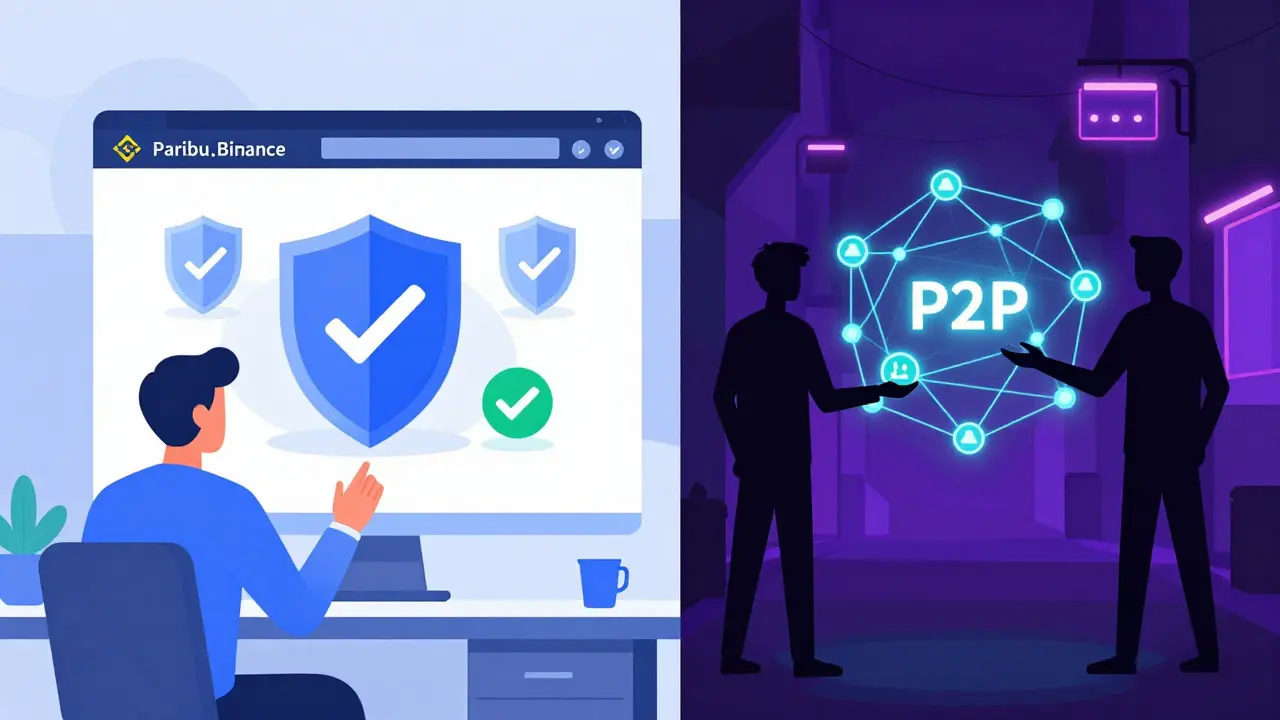
For the majority of users, the safest route is through CMB-licensed exchanges. As of January 2025, platforms like Paribu and Binance Turkey process 58% of the total compliant market volume. The primary advantage here is legal recourse. If something goes wrong, there is a regulator to complain to. Paribu, for instance, charges transaction fees between 0.05% and 0.25%, which is competitive globally. Identity verification takes anywhere from 15 to 45 minutes, a standard procedure that aligns with international AML standards.
However, these platforms come with constraints. The 15,000 TL monthly withdrawal or deposit threshold often triggers additional checks. Many users report splitting transactions to avoid hitting this ceiling, a practice documented in 68% of workaround guides on local forums. While convenient, relying solely on licensed exchanges means your activity is fully visible to financial authorities like MASAK (the Financial Crimes Investigation Board). For those seeking privacy or trying to move larger sums without triggering alarms, this method has limits.
Method 2: Peer-to-Peer (P2P) Trading Networks
When centralized channels feel too restrictive, many Turks turn to Peer-to-Peer (P2P) trading. This method surged dramatically after the initial payment ban. According to data from LocalBitcoins, user activity in Turkey jumped by 217% between late 2021 and late 2024. By December 2024, these informal networks were processing approximately $1.2 billion in monthly transactions. The appeal is simple: you deal directly with another person, bypassing the exchange’s internal ledger.
In a typical P2P transaction, Buyer A agrees to send Turkish Lira to Seller B’s bank account in exchange for USDT held in escrow on a platform. Once the bank transfer clears, the seller releases the crypto. Telegram groups have become hubs for this activity, though they carry higher risks. Unlike licensed exchanges, there is no central authority to freeze fraudulent sellers quickly. Users must rely on reputation systems and community trust. A study by the Istanbul Blockchain Association found that 63% of Turkish crypto users engage in some form of P2P trading, often using it to arbitrage price differences between licensed and unlicensed markets. Some users report consistent 3-5% profits by buying Bitcoin on Paribu and selling it on LocalBitcoins to circumvent the 15k TL limit.
Method 3: Technical Workarounds and DeFi Access
For the tech-savvy minority, the ban on specific platforms doesn't mean the end of access. In February 2025, the CMB banned 46 platforms, including popular decentralized exchanges like PancakeSwap. Yet, TÜİK statistics show that 3.7 million Turkish addresses still interacted with DeFi protocols in Q1 2025. How? Through Virtual Private Networks (VPNs) and custom wallet configurations.
A December 2024 TÜBİTAK study estimated that 68% of Turkish crypto users have utilized VPNs to access global platforms like Coinbase or Kraken. For decentralized finance (DeFi), users employ wallets like MetaMask or Trust Wallet connected to non-Turkish RPC endpoints. One common setup involves configuring Trust Wallet with custom RPC settings to access Uniswap, a process that takes about five minutes but grants full access to global liquidity pools. Open-source projects like 'TurkWallet' on GitHub have even emerged to automate transaction splitting across multiple wallets to stay under regulatory thresholds. This method offers maximum anonymity but requires significant technical knowledge. The learning curve for setting up multi-wallet ecosystems can take 15-20 hours, according to a May 2025 CryptoPazar Academy study.

Risks and Regulatory Crackdowns
Navigating this landscape is not without danger. The primary risk is account freezing by MASAK. In the Istanbul Blockchain Association survey, 22% of users reported having their accounts frozen due to "suspicious activity," usually triggered by exceeding transaction thresholds or frequent large transfers. Resolution typically takes 14-30 days through formal appeals, during which funds are inaccessible. Additionally, the fragmented nature of trading complicates oversight. The FATF’s 2024 Mutual Evaluation Report noted that an estimated 43% of Turkish crypto transactions occur through channels with inadequate monitoring, raising concerns about money laundering.
The regulatory environment is also shifting rapidly. The CMB’s roadmap published in June 2025 plans for a 'Crypto Asset Gateway' system by Q2 2026. This system aims to centralize all on/off ramps, potentially making current P2P and VPN-based workarounds obsolete or more difficult to maintain. Experts like Dr. Ayşenur Acar from Ankara University warn that while the market adapts faster than regulation, the pressure will only increase. "The payment ban has created a paradoxical situation where Turkey has one of the world's most active crypto trading markets but with artificially restricted utility," she stated in February 2025.
Practical Tips for Safe Trading
If you are operating within this ecosystem, safety should be your priority. First, diversify your methods. According to a Capital Markets Board enforcement report, 78% of users utilize at least two different trading methods to mitigate risk. Combining a licensed exchange for bulk holdings with P2P for smaller, flexible transactions is a common strategy. Second, keep detailed records. If your account gets frozen, proof of legitimate trade intent is vital for appealing to MASAK. Third, be wary of Telegram scams. With 387 active Turkish crypto channels, phishing attempts are rampant. Always verify contract addresses and use hardware wallets for significant amounts.
Finally, stay updated on the banned list. The CMB added 17 more platforms in May 2025, bringing the total to 63. Accessing these directly can lead to IP tracking and potential fines. Using reputable VPN services and keeping your software updated are basic necessities for anyone engaging in the shadow tier of the market. The goal is not to hide illegally, but to navigate a complex regulatory framework that hasn't fully caught up with technological reality.
Is it illegal to own cryptocurrency in Turkey?
No, owning and trading cryptocurrency is legal in Turkey. The ban implemented by the Central Bank of the Republic of Turkey (CBRT) in April 2021 specifically prohibits using crypto as a means of payment for goods and services. Holding crypto as an investment asset is permitted.
Which exchanges are legally licensed in Turkey?
As of early 2025, the Capital Markets Board (CMB) has provisionally licensed several exchanges, including Binance Turkey, Paribu, Bitlo, and the relaunched Thodex. These platforms must comply with strict KYC and AML regulations.
What happens if I exceed the 15,000 TL transaction limit?
Transactions exceeding 15,000 Turkish lira trigger mandatory identity verification and increased scrutiny under the February 2025 AML regulations. Frequent large transactions may lead to account freezes by MASAK for investigation, requiring a formal appeal process to resolve.
Can I use DeFi platforms like Uniswap in Turkey?
Technically yes, but indirectly. Many DEXs like PancakeSwap have been banned by the CMB. Users access them via wallets like MetaMask connected to non-Turkish RPC endpoints, often using VPNs to bypass ISP blocks. This operates in a regulatory gray area.
Is P2P trading safe in Turkey?
P2P trading carries medium risk. While it avoids exchange limits, it lacks the consumer protections of licensed platforms. Scams and counterparty risk are higher. Users should stick to reputable platforms with escrow services and verify seller reputations carefully.