

Imagine trying to send money to a family member overseas, only to find that every legal channel is slow, expensive, or blocked. Now imagine doing it while knowing that if you are caught using a popular alternative, you could face jail time. This is the reality for thousands of people in Nepal, where cryptocurrency remains completely illegal under strict government regulations enforced by the Nepal Rastra Bank.
As of May 2026, Nepal holds one of the toughest stances on digital assets in Asia. The law is clear: trading, mining, and even holding crypto is prohibited. Yet, despite the threat of imprisonment and heavy fines, an underground economy has thrived. People aren’t just ignoring the rules; they are actively finding ways around them, driven largely by the need for faster, cheaper cross-border payments.
The Legal Wall: Why Crypto Is Banned in Nepal
To understand how people bypass the ban, you first need to understand why it exists. The Nepal Rastra Bank (NRB), the country’s central bank, views unregulated digital currencies as a direct threat to financial stability. Their primary concern is capital flight. Nepal relies heavily on remittances-money sent home by workers abroad-to keep its economy running. If citizens can move billions of dollars out of the country instantly via blockchain, the NRB loses control over foreign exchange reserves.
The legal framework is severe. Under the Foreign Exchange Regulation Act of 2019, any involvement with cryptocurrency can lead to:
- Imprisonment: Up to three years depending on the severity of the offense.
- Fines: Penalties can reach up to three times the value of the transaction involved.
- Asset Confiscation: Authorities can seize crypto wallets and any physical assets linked to the transactions.
- Cybercrime Charges: Prosecution under the Electronic Transaction Act (ETA) of 2008.
This isn't just theoretical. Police in Kathmandu and other districts have conducted high-profile arrests, targeting individuals involved in crypto exchanges and large-scale transfers. The message from the government is blunt: there is no room for private digital currencies.
The Driving Force: Remittances and Economic Pressure
If the penalties are so harsh, why do people still take the risk? The answer lies in economics. Nepal receives approximately $8-9 billion in remittances annually, which accounts for nearly 25% of its GDP. Traditional banking channels for these transfers are often plagued by high fees, slow processing times, and complex documentation.
For a migrant worker in the Middle East or Malaysia, sending money home through Western Union or a traditional bank might cost 5-7% in fees and take days to clear. In contrast, cryptocurrencies like Bitcoin or USDT (Tether) offer near-instant transfers with significantly lower fees. For many families, this efficiency is worth the legal gamble.
Additionally, there is a growing tech-savvy youth population in Nepal. Many young developers and entrepreneurs are interested in blockchain technology but find themselves stifled by the ban. Instead of waiting for regulation, some choose to operate in the shadows, creating a vibrant but risky underground community.
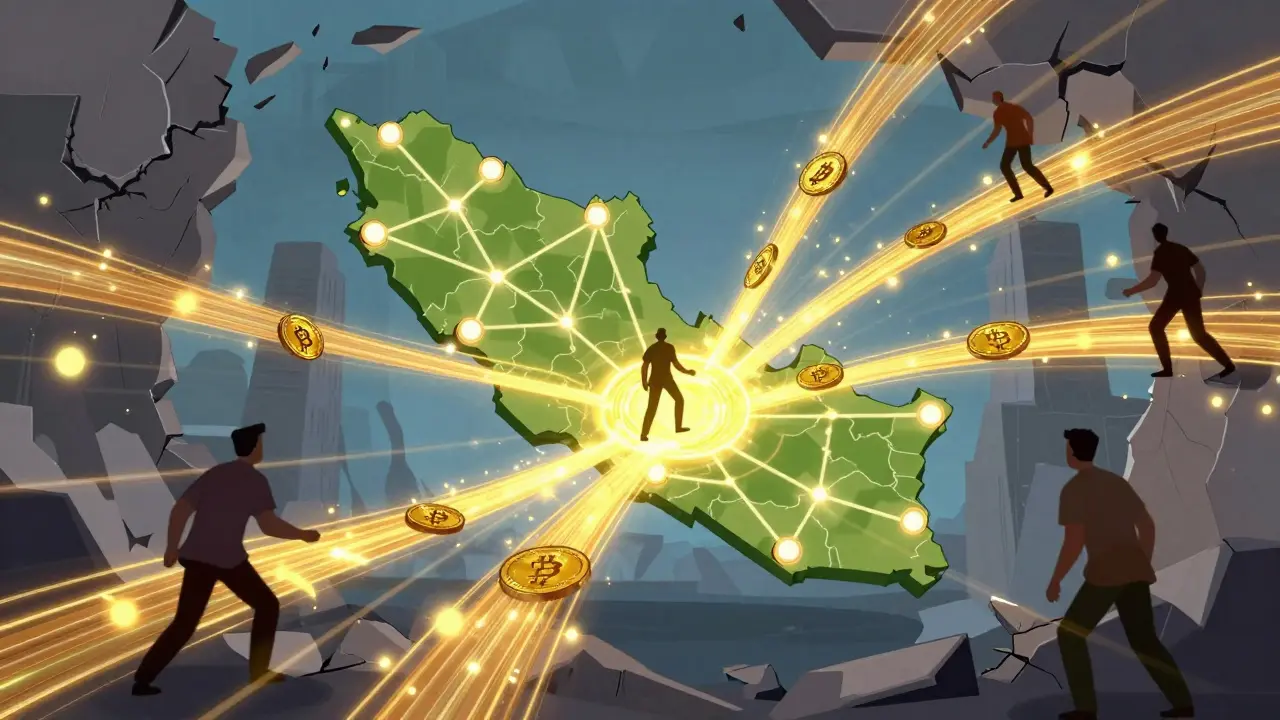
How Nepalis Circumvent the Ban
Since local exchanges are shut down and banks monitor suspicious transactions, Nepalis have developed creative, albeit dangerous, methods to access crypto. Here is how the underground ecosystem operates:
1. Peer-to-Peer (P2P) Platforms
The most common method is using global P2P platforms like Binance P2P or LocalBitcoins. Users connect directly with each other to buy and sell crypto. A buyer in Nepal might pay a seller via a local mobile wallet service like eSewa or Khalti, while the seller releases USDT from their escrow account. This avoids traditional banks entirely, making it harder for authorities to track the flow of funds.
2. Cross-Border Wallets
Many users maintain wallets registered in neighboring countries with more lenient laws, such as India or Bangladesh. They receive crypto into these foreign wallets and then transfer the funds to Nepal through informal hawala networks or by converting them back to fiat currency through trusted intermediaries. This adds a layer of separation between the user’s identity and the crypto transaction.
3. Decentralized Exchanges (DEXs)
Sophisticated users bypass centralized platforms altogether by using decentralized exchanges like Uniswap or PancakeSwap. These platforms run on blockchain protocols and require no personal identification (KYC). Users swap tokens directly from their private wallets. However, getting fiat currency into or out of these systems remains the biggest challenge.
4. Stablecoins for Stability
Rather than volatile assets like Bitcoin, many Nepalis prefer stablecoins pegged to the US Dollar, particularly USDT and USDC. These allow users to preserve value against the depreciating Nepalese Rupee without exposing themselves to market crashes. It’s a practical hedge against inflation and currency devaluation.
| Method | Risk Level | Ease of Use | Primary Use Case |
|---|---|---|---|
| P2P Platforms | High | Medium | Buying/Selling Fiat |
| Cross-Border Wallets | Very High | Low | Large Transfers |
| Decentralized Exchanges | Medium | Complex | Token Swaps |
| Hawala Networks | Extreme | High | Off-Ramping Cash |
The Risks of Operating Underground
While these methods provide access, they come with significant dangers. Without regulatory protection, users are on their own.
Fraud and Scams: The lack of oversight means scammers thrive. Fake P2P sellers, phishing sites, and rug pulls are common. If you lose your funds, there is no customer support team to call and no legal recourse to recover them.
Legal Repression: The government is actively closing loopholes. Banks are increasingly flagging transactions related to known crypto-friendly entities. Being associated with even a single suspicious transfer can trigger investigations, freezing your bank accounts and leading to criminal charges.
Technical Vulnerabilities: Many users rely on non-custodial wallets, meaning they are solely responsible for securing their private keys. Loss of a seed phrase results in permanent loss of funds. With limited technical education among the general public, human error is a major risk factor.

The Government’s Countermove: CBDC Plans
The Nepali government recognizes that digital finance is inevitable. Rather than lifting the ban on private cryptocurrencies, they are pursuing a state-controlled alternative. The Nepal Rastra Bank has announced plans to launch a Central Bank Digital Currency (CBDC) within the next two years.
A CBDC would be a digital version of the Nepalese Rupee, issued directly by the central bank. Unlike Bitcoin or Ethereum, a CBDC is fully regulated, traceable, and controlled by the state. It aims to provide the benefits of digital payments-speed, low cost, accessibility-without the risks of capital flight or anonymity that the government associates with private crypto.
However, experts doubt that a CBDC will satisfy the demand for decentralized finance. It does not offer the privacy, borderless nature, or investment potential that drives underground crypto adoption. Instead, it may further entrench the divide between state-approved digital tools and the black-market crypto economy.
What This Means for the Future
The situation in Nepal is a classic case of policy lagging behind technological reality. The ban has not stopped crypto usage; it has merely pushed it underground, making it more opaque and risky. As long as remittance costs remain high and economic opportunities are limited, the incentive to use crypto will persist.
For now, the path forward is unclear. The government continues to enforce strict penalties, while citizens continue to find workarounds. Until a balanced regulatory framework emerges-one that protects consumers while allowing innovation-the underground crypto economy in Nepal will likely continue to grow in the shadows.
Is it legal to own cryptocurrency in Nepal?
No, owning, trading, or mining cryptocurrency is completely illegal in Nepal under the Foreign Exchange Regulation Act of 2019. The Nepal Rastra Bank prohibits all forms of digital asset activity, and violations can result in imprisonment, fines, and asset confiscation.
Why do people in Nepal use crypto if it's banned?
The primary driver is cross-border remittances. Traditional banking channels are often slow and expensive. Cryptocurrencies offer faster, cheaper transfers for families receiving money from abroad. Additionally, some tech-savvy youth use crypto for investment purposes despite the legal risks.
How do Nepalis buy crypto without local exchanges?
Users primarily rely on Peer-to-Peer (P2P) platforms like Binance P2P, where they trade directly with other individuals using local payment methods like eSewa or Khalti. Others use decentralized exchanges (DEXs) or cross-border wallets registered in neighboring countries to avoid detection.
What are the penalties for crypto trading in Nepal?
Penalties include up to three years in prison, fines up to three times the transaction amount, and confiscation of assets. Authorities also pursue cybercrime charges under the Electronic Transaction Act, making the legal consequences severe.
Will Nepal ever legalize cryptocurrency?
There are no current indications that Nepal will legalize private cryptocurrencies. Instead, the government is focusing on developing a Central Bank Digital Currency (CBDC) to provide digital financial services while maintaining strict state control over the monetary system.
Is it safe to use P2P crypto platforms in Nepal?
It carries significant risk. While P2P platforms offer convenience, they expose users to fraud, scams, and legal repercussions. Since these activities are illegal, users have no regulatory protection or legal recourse if something goes wrong.
John Gonzalez Bentham
May 13, 2026 AT 21:14honestly this is just lazy journalism. the real issue isnt crypto its that nepal has a broken banking system. why should people be forced to use slow expensive banks when tech offers better options? the government is just scared of losing control not protecting anyone. stop blaming the victims and fix your infrastructure.
Ellie Riddell
May 14, 2026 AT 09:52it is fascinating how prohibition creates such elaborate workarounds. we see this with alcohol in the 1920s and now with digital assets. the irony is that by trying to ban it they have made it more dangerous for ordinary people who just want to send money home. perhaps regulation would serve them better than repression but i suppose that requires admitting the current policy is flawed which is hard for any bureaucracy.
Bronwen Butler
May 15, 2026 AT 22:00you think p2p platforms are safe because they avoid banks? naive. binance knows exactly who you are if they decide to hand over data. and let us not forget that hawala networks are often linked to money laundering syndicates. these users are playing russian roulette with their financial freedom and likely losing.
Samara McCallum
May 15, 2026 AT 23:18oh my god the drama of sending money home without getting arrested is so intense right now. i cant even imagine living like that where every transaction feels like a crime scene investigation. maybe the cbdc will save us all from this anxiety or maybe it will just make the surveillance state even creepier who knows really
Michelle Bonahoom
May 17, 2026 AT 14:57this is typical third world problem solving. instead of building a strong economy they rely on remittances and illegal schemes. if nepal wanted stability they would focus on domestic production not letting workers abroad send cash through shady channels. it makes the whole country look unstable and dependent on foreign labor.
Matt Davis
May 18, 2026 AT 23:17the article completely misses the point about sovereignty. the nepal rastra bank is right to protect its currency reserves. allowing capital flight via bitcoin would destroy the rupee overnight. these underground traders are essentially parasites eating away at the nation's economic foundation while pretending to be innovators. it is criminal negligence disguised as financial freedom.
Albert Lee
May 20, 2026 AT 22:21i feel so much empathy for the families mentioned here. trying to support loved ones across borders should not require risking jail time. the human cost of these regulations is enormous and often overlooked by policymakers sitting in comfortable offices. we need systems that prioritize human connection over rigid compliance metrics.
Ankush Pokarana
May 21, 2026 AT 17:13when one considers the broader philosophical implications of monetary control we see that trust is the only true currency. by banning private crypto the state attempts to monopolize trust but technology has decentralized it. the question then becomes whether a society can function when its citizens no longer trust the central authority to manage their wealth securely and efficiently
Bianca Vilas Boas Lourenço
May 22, 2026 AT 00:00ugh another day another story about poor people doing smart things and getting punished for it 🙄 meanwhile the rich get tax breaks for everything. its always the little guy who suffers under these draconian laws. i hope someone finally stands up to this nonsense because frankly its exhausting watching governments bully their own citizens 😡💔
Yash Lodha
May 23, 2026 AT 17:34did anyone else notice the subtle mention of cross-border wallets registered in india? this is clearly part of a larger shadow network designed to bypass national firewalls. the elites know full well that fiat is dying and are quietly moving assets into untraceable channels while telling the masses to stay put. wake up sheeple.
Jesse Alston
May 25, 2026 AT 06:09great breakdown of the risks involved here 👍 many people dont realize that using dexs without proper security measures is incredibly dangerous. losing your seed phrase means losing everything forever. i always recommend hardware wallets for anyone dealing with significant amounts even if it is harder to set up. safety first always! 🔐
Sarah C
May 25, 2026 AT 06:29thanks for sharing this perspective. it really highlights the complexity of balancing regulation with individual needs. i wonder if there is a middle ground where small transactions could be allowed for remittances while keeping large speculative trades restricted. it seems like a win-win solution that could reduce the black market activity significantly.
Kimberly Herbstritt
May 26, 2026 AT 13:52actually i think the ban is working perfectly fine for those who follow the rules. the underground economy is tiny compared to the formal banking sector. most nepalis still use traditional methods because they are safer and legal. the noise online exaggerates the prevalence of crypto usage. dont believe the hype.
Sharada Vakkund
May 26, 2026 AT 15:41lets discuss how we can support communities affected by these restrictions. education about financial literacy and alternative legal avenues could help mitigate some of the risks. we should encourage dialogue between policymakers and the youth to find sustainable solutions that respect both economic stability and personal freedom.
Sudarshan Anbazhagan
May 26, 2026 AT 23:07it is imperative to understand that the legal framework exists to prevent systemic collapse. without strict controls on foreign exchange the entire monetary system would crumble under the weight of speculative bubbles. those advocating for deregulation fail to grasp the macroeconomic consequences of unchecked capital flight which could devastate the livelihoods of millions.
Jan Gilmore
May 28, 2026 AT 16:10everyone knows stablecoins are the future. bitcoin is too volatile for daily use. nepal should just allow usdt transfers through regulated channels. it would solve the remittance issue instantly and boost the economy. clinging to outdated laws is just stubbornness at this point.
Bijan Das
May 29, 2026 AT 04:45pathetic. these people are so desperate they risk prison for a few dollars saved on fees. typical lack of discipline. if you cannot afford western union fees you probably do not deserve the money anyway. stop enabling this laziness.
Ashley Rodriguez
May 29, 2026 AT 16:14i mean it is really sad to see how hard people have to work just to send money home. the fees are so high that it barely makes sense to send anything at all sometimes. maybe if banks lowered their rates people would not feel the need to break the law. it is just basic economics really.
beti macedo
May 31, 2026 AT 00:04it is very interesting to read about the technological adaptations happening in nepal. despite the challenges the resilience of the population is commendable. hopefully the introduction of cbdc will provide a more secure and efficient way for citizens to participate in the digital economy without fear of persecution.