
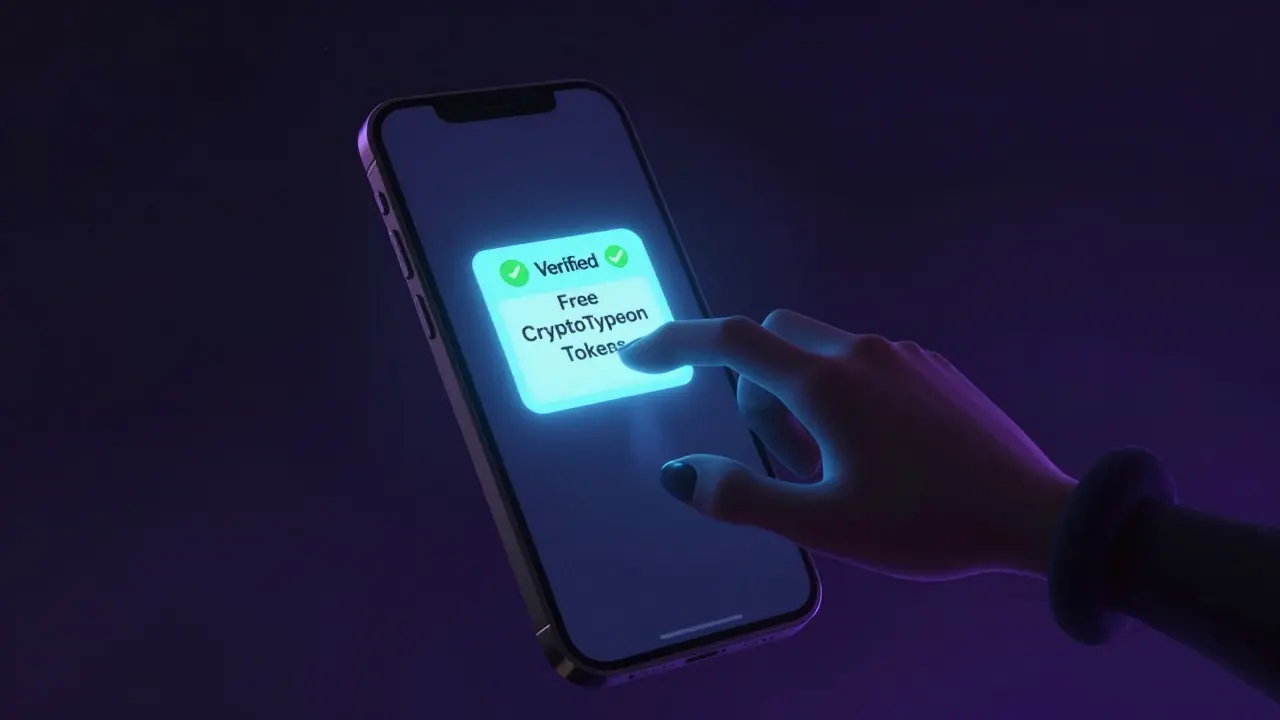
You see the notification. Maybe it’s a tweet from an account with a verified checkmark that looks slightly off, or a direct message on Telegram promising free CryptoTycoon tokens. The promise is simple: connect your wallet, follow a few steps, and walk away with thousands of dollars in CTT tokens. It sounds like the kind of opportunity every crypto investor dreams of. But before you click that link, stop. Take a breath. Because in the world of cryptocurrency, if something sounds too good to be true, it almost certainly is.
As of mid-2026, there is no legitimate, widely recognized project called "CryptoTycoon" issuing a CTT token airdrop. Major tracking platforms like CoinGecko and CoinMarketCap do not list a "CryptoTycoon" project with this specific ticker. This absence is not an oversight; it is a massive red flag. When a project claims to be launching a major airdrop but has zero footprint on reputable data aggregators, you are likely looking at a sophisticated phishing attempt designed to drain your wallet.
The Reality Behind the "CryptoTycoon" Name
Confusion often stems from name similarities. There is a legitimate project simply called Tycoon, which uses the ticker TYC. This platform serves as a secured interface between professional traders and end users. It allows followers to copy trades automatically via API connections. While Tycoon did conduct a past airdrop for its TYC tokens, that event is closed. More importantly, Tycoon is not CryptoTycoon, and TYC is not CTT.
Scammers frequently exploit these naming overlaps. They take the credibility of a known entity-like Tycoon, or even larger names like MetaMask or LayerZero-and attach it to a fake project. They create websites that look nearly identical to the real thing, using high-quality graphics and professional language. The goal isn't to build a community; it's to trick you into signing a malicious transaction. Once you connect your wallet to their site, they don't just send you tokens; they grant themselves permission to withdraw all your assets.
How These Fake Airdrops Work
Understanding the mechanics of a scam helps you spot them faster. Here is the typical lifecycle of a fraudulent airdrop campaign:
- The Hook: You encounter the offer through social media bots, fake influencer endorsements, or SEO-spammed articles claiming "100% Verified Airdrop."
- The Landing Page: You visit a URL that mimics a legitimate brand. Look closely at the domain. Is it `cryptotycoon-official.com` or `cryptotycoon-airdrop.xyz`? Scammers often use slight misspellings or cheap top-level domains.
- The Connection: You are asked to connect your Web3 wallet (MetaMask, Phantom, etc.) to "claim" rewards. This step is critical. Connecting does not mean you are safe. It opens a communication channel between your wallet and their contract.
- The Trap: You might see a pop-up asking you to approve a transaction. Sometimes, they ask you to send a small amount of ETH or SOL to "verify" your wallet or pay gas fees. Legitimate airdrops never ask you to send money first. If you sign the approval, you may be authorizing unlimited spending of your tokens.
- The Drain: Within seconds or minutes, the scammers execute the transaction, draining your wallet of valuable assets while sending you worthless, untradeable CTT tokens that have no liquidity.
Red Flags: How to Spot a Fake Airdrop Instantly
You don't need to be a blockchain developer to identify a scam. You just need to know what to look for. Here are the most common warning signs associated with fake projects like the alleged CryptoTycoon airdrop:
- No Official Announcement: Check the official Twitter/X account, Discord, or website of any similar-sounding legitimate project. Did they announce this? If the only source of information is a random blog post or a DM, it’s fake.
- Urgency Tactics: Phrases like "Only 50 spots left," "Claim ends in 1 hour," or "First come, first served" are psychological triggers used to make you act without thinking. Real projects give ample time for verification.
- Requests for Private Keys or Seed Phrases: No legitimate service will ever ask for your 12 or 24-word seed phrase. If a site asks for this, close the tab immediately. This is the master key to your entire financial life in crypto.
- Unverified Smart Contracts: If you can find the contract address, check it on a block explorer like Etherscan or Solscan. If the contract is not verified, or if it was created just days ago, stay away.
- Poor Grammar and Design: While some scams are high-budget, many still suffer from broken English, pixelated logos, or inconsistent branding. Compare the site to the official project’s design standards.
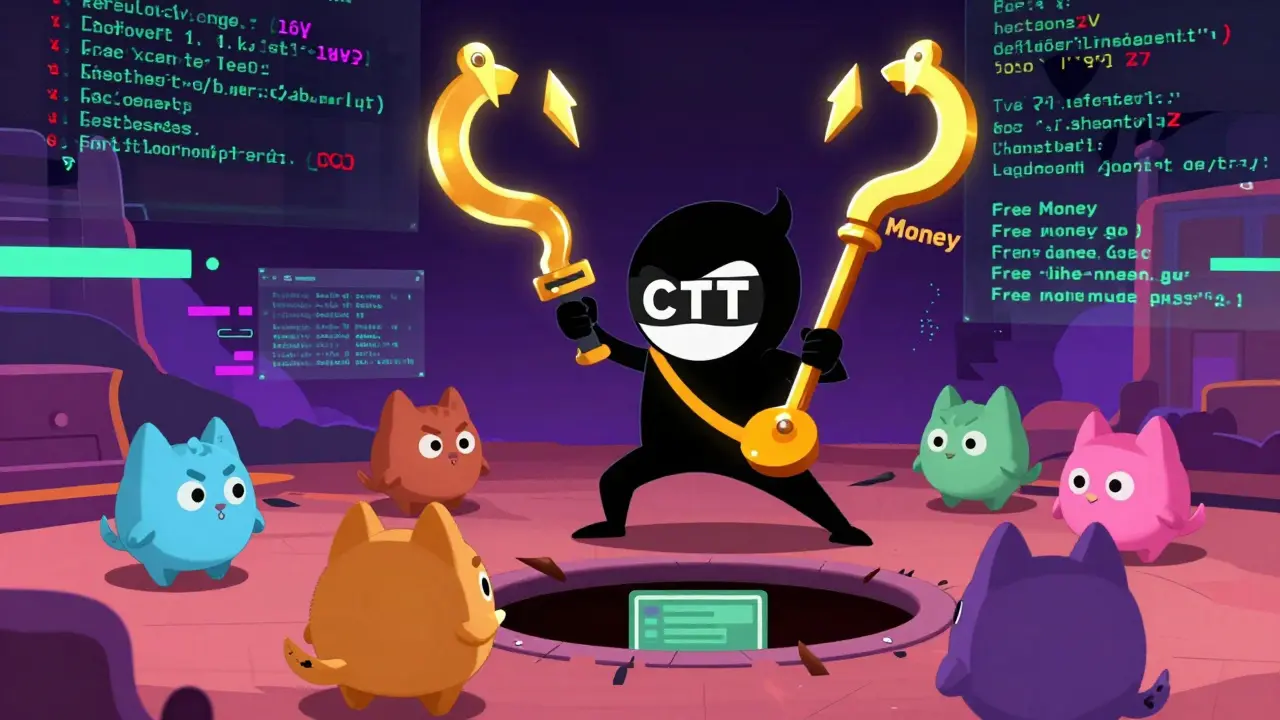
The Difference Between Real and Fake Airdrops
To understand why you should avoid the CryptoTycoon CTT claim, it helps to look at how legitimate airdrops operate. Projects like MetaMask or LayerZero use airdrops to reward early adopters who have genuinely used their network. For example, MetaMask’s rumored token distribution required users to have an active wallet with a minimum balance over a significant period. This proves you are a real user, not a bot.
| Feature | Legitimate Airdrop | Fake Airdrop (e.g., CTT) |
|---|---|---|
| Cost to Claim | Free (only gas fees for interaction) | Often requires sending crypto or paying "verification" fees |
| Eligibility | Based on past usage (transactions, staking) | Open to anyone who connects a wallet instantly |
| Token Value | Listed on major exchanges (CoinGecko, CMC) | Unlisted, untradeable, or honeypot tokens |
| Communication | Via official channels only | DMs, spam emails, unofficial Telegram groups |
| Smart Contract | Verified, audited, long history | Unverified, newly created, hidden code |
Safety Protocols: Protecting Your Wallet in 2026
The crypto landscape in 2026 is more mature, but scammers are also more advanced. To protect yourself from threats like the CryptoTycoon CTT scam, implement these security habits:
Use a Burner Wallet: Never connect your main wallet, where you store your long-term holdings, to new or unverified sites. Use a separate "burner" wallet with minimal funds for interacting with new protocols, claiming airdrops, or testing dApps. If this wallet gets drained, your main assets remain safe.
Revoke Permissions Regularly: Tools like Revoke.cash allow you to view and remove permissions granted to smart contracts. If you accidentally connected to a suspicious site, revoke access immediately. This cuts off the scammers' ability to drain your funds later.
Verify Sources Manually: Do not click links in emails or messages. Instead, type the project’s name into a search engine, find their official website, and navigate from there. Bookmark official sites so you always have a trusted reference point.
Check Community Sentiment: Before participating in any airdrop, search for discussions on Reddit or Twitter. Look for warnings. Often, other users have already flagged a scam. If you see comments saying "scam" or "phishing," trust them.
What to Do If You Already Connected
If you’ve already connected your wallet to a site claiming to offer CryptoTycoon CTT tokens, don’t panic, but act quickly. First, disconnect the wallet from the site. Second, check your transaction history. If you signed a transaction that approved spending limits, go to Revoke.cash and revoke those approvals. Third, move any remaining funds from that wallet to a new, secure wallet. Consider the old wallet compromised. Do not reuse it.
If you sent funds, unfortunately, blockchain transactions are irreversible. However, you can report the scam to relevant authorities and share the contract address on social media to warn others. Platforms like ScamAlert.io help track and expose fraudulent addresses.
The Future of Airdrops: Staying Informed Safely
Airdrops are not inherently bad. They are a valid marketing strategy for blockchain projects to distribute governance rights and bootstrap liquidity. Projects like Meteora, Hyperliquid, and Monad have generated legitimate interest through transparent mechanisms. The key difference is transparency. Legitimate projects publish whitepapers, audit reports, and clear eligibility criteria. They build communities over months, not days.
As you navigate the crypto space in 2026, remember that your attention is valuable, but your private keys are priceless. Skepticism is your best defense. If a project doesn’t exist on CoinGecko, if it demands immediate action, or if it uses a name similar to a known brand, assume it is a scam until proven otherwise. The CryptoTycoon CTT airdrop is a prime example of why due diligence matters. Stay curious, stay safe, and never trade security for greed.
Is the CryptoTycoon (CTT) airdrop real?
No, the CryptoTycoon (CTT) airdrop is not real. There is no legitimate project by this name listed on major cryptocurrency trackers like CoinGecko or CoinMarketCap. It is likely a phishing scam designed to steal wallet assets.
What is the difference between Tycoon (TYC) and CryptoTycoon (CTT)?
Tycoon is a legitimate trading platform that uses the TYC token. It had a past airdrop which is now closed. CryptoTycoon (CTT) appears to be a fraudulent project copying the name to deceive users. They are unrelated.
How can I verify if a crypto airdrop is legitimate?
Check if the project is listed on CoinGecko or CoinMarketCap. Verify announcements on official social media channels. Ensure the smart contract is verified on a block explorer. Never trust DMs or unsolicited emails.
Should I connect my wallet to claim airdrops?
Only connect your wallet to well-known, verified projects. Always use a burner wallet with minimal funds for unknown sites. Never share your seed phrase or private key.
What should I do if I connected to a fake airdrop site?
Immediately disconnect your wallet, revoke any token approvals using tools like Revoke.cash, and transfer remaining funds to a new, secure wallet. Assume the compromised wallet is unsafe for future use.