

You’ve probably seen the pop-ups. Maybe a friend sent you a link promising free Cannumo tokens just for signing up. The ticker is CANU. The promise is easy money. But before you click that button and connect your wallet, stop. Take a breath. In the world of cryptocurrency, "free" usually costs more than it’s worth.
I’m writing this from Auckland, where we take our privacy seriously, but in crypto, privacy means security. I’ve spent years tracking token launches, and I can tell you this: legitimate projects like Ethereum or Solana don’t rely on shady Telegram bots to distribute their wealth. If something sounds too good to be true, it almost certainly is. Let’s break down exactly what Cannumo is, why there is so much noise around it, and how to keep your digital assets safe in 2026.
The Truth About the Cannumo (CANU) Token
First, let’s get the facts straight. As of mid-2026, there is no widely recognized, reputable project known as "Cannumo" with a legitimate, large-scale launch airdrop. You might find listings on smaller trackers like CoinMooner or obscure pages on CoinMarketCap, but these are often placeholders or created by teams trying to pump hype before a rug pull.
Cannumo (CANU) is a cryptocurrency token that has gained attention through unverified social media claims of an upcoming airdrop, but lacks substantial technical documentation, audit reports, or presence on major tier-one exchanges. Unlike established protocols such as Ethereum or Solana, Cannumo does not have a clear utility case or a transparent development team.
When I look at a project, I check three things: the code, the community, and the liquidity. For Cannumo, the code is either non-existent or copied from other projects. The community is filled with bots posting generic excitement. And the liquidity? It’s likely trapped in a contract that only the creators can access. This is a classic red flag.
How Crypto Airdrop Scams Work in 2026
Scammers have gotten smarter. They don’t just send you a phishing link anymore. They create entire ecosystems designed to steal your private keys or drain your wallet balance. Here is how the typical Cannumo-style scam plays out:
- The Hook: You see an ad on Twitter or TikTok claiming you’re eligible for a $500 CANU airdrop. It uses urgent language like "Last Chance" or "Ending Soon."
- The Setup: You’re directed to a website that looks professional. It mimics the design of real DeFi platforms like Uniswap or PancakeSwap. It even has a fake "Connect Wallet" button.
- The Trap: When you connect your MetaMask or Phantom wallet, the site asks for "approval" to spend your tokens. This is a malicious smart contract interaction. Once you sign, they don’t just take the small amount you connected; they can drain everything in that wallet address.
- The Disappearance: After draining wallets, the team burns the bridge. The website goes offline, the Telegram group is deleted, and the CANU token becomes worthless dust on the blockchain.
This isn’t hypothetical. In 2025 alone, millions were lost to similar "airdrop" scams involving fake versions of popular coins. Cannumo fits this pattern perfectly. There is no official announcement from any major exchange or developer forum. Just noise.
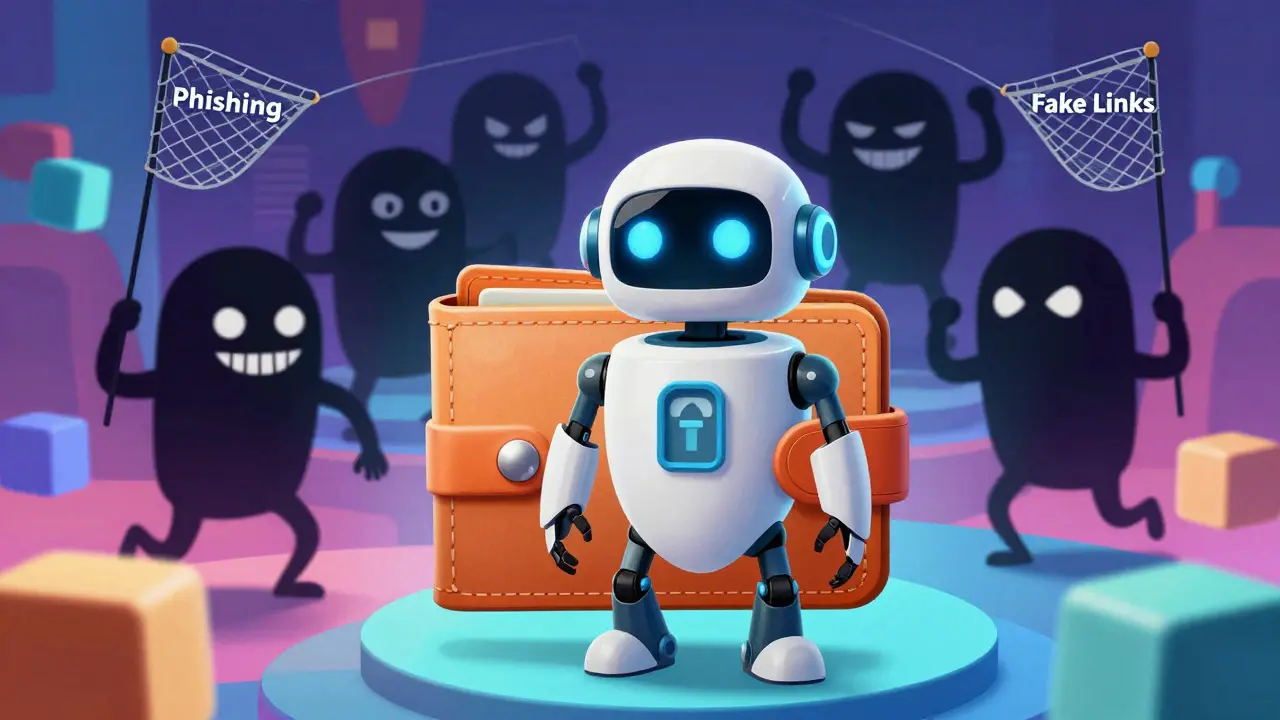
Red Flags: How to Spot a Fake Airdrop
You need to develop a sixth sense for these traps. Here are the specific signs that a project like Cannumo is a scam:
- No Whitepaper: Legitimate projects have detailed technical documents explaining their technology, tokenomics, and roadmap. Cannumo has none. Or if it does, it’s full of buzzwords like "AI-powered blockchain synergy" without any substance.
- Anonymous Team: Who built this? Can you find their LinkedIn profiles? Their GitHub contributions? If the team is anonymous, they have nothing to lose when they run away with your funds.
- Pressure Tactics: Real projects give you time. Scammers rush you. If the airdrop "expires" in 24 hours, it’s a lie designed to make you act without thinking.
- Requests for Private Keys: Never, ever share your seed phrase or private key. No legitimate service will ever ask for this. If a site asks for it, close the tab immediately.
- Social Media Hype Only: If all you hear about a coin is from influencers getting paid to shill it, and there’s no discussion on Reddit or specialized crypto forums, stay away.
Legitimate vs. Illegitimate Airdrops: A Comparison
To help you understand the difference, let’s compare a real, historical airdrop with the Cannumo situation. This table highlights the key distinctions you should look for.
| Feature | Legitimate Airdrop (e.g., Uniswap, Arbitrum) | Scam Airdrop (e.g., Cannumo/CANU) |
|---|---|---|
| Transparency | Public team, audited code, clear tokenomics | Anonymous team, unaudited contracts, vague promises |
| Eligibility | Based on past usage of the protocol (transactions, liquidity) | Based on clicking links, joining Telegram, or connecting wallet once |
| Communication | Official Discord, verified Twitter, blog posts | Unverified social accounts, DMs, pop-up ads |
| Cost | Free to claim, but may require gas fees for interaction | Often asks for a small "verification fee" or drains wallet |
| Listing | Listed on major exchanges (Binance, Coinbase) post-airdrop | Only on decentralized exchanges with low liquidity or fake sites |
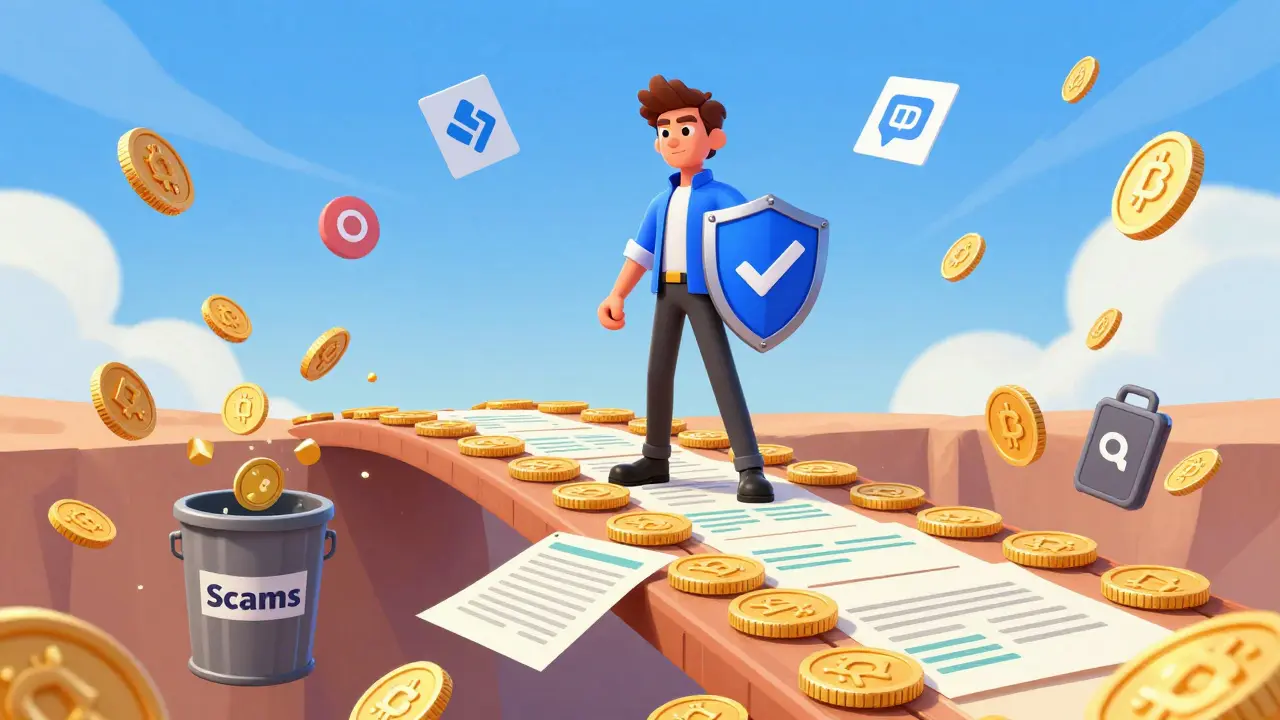
Protecting Your Wallet in 2026
Even if you’re not interested in airdrops, you need to secure your crypto. Here are practical steps I take every day:
Use a Burner Wallet: Never connect your main wallet, where you store your long-term holdings, to unknown websites. Use a separate wallet with a small amount of funds for testing new protocols. If it gets drained, you lose pennies, not thousands.
Revoke Permissions Regularly: Tools like Revoke.cash allow you to see which contracts have access to your wallet. If you accidentally approved a malicious contract, revoke it immediately. Do this weekly.
Verify URLs: Scammers buy domains that look similar to real ones. Instead of `cannumo.io`, they might use `cannumo-official-airdrop.com`. Always double-check the URL against official sources.
Ignore DMs: Support teams from legitimate projects never message you first. If someone DMs you on Twitter or Telegram offering help with an airdrop, block them.
What Should You Do Instead?
If you want to participate in legitimate airdrops, focus on projects with strong fundamentals. Look for Layer 2 solutions, new DeFi protocols, or infrastructure projects that are building real value. Engage with their testnets, provide liquidity on reputable platforms, and follow their official announcements. Patience pays off. The biggest airdrops in history went to users who used the product early, not those who clicked shady links.
For now, my advice is simple: ignore Cannumo. It offers no value, carries high risk, and serves no purpose other than to exploit curiosity. Keep your keys safe, do your own research, and stay skeptical.
Is the Cannumo (CANU) airdrop real?
No, there is no evidence of a legitimate Cannumo airdrop. The project lacks transparency, official documentation, and presence on reputable exchanges. It exhibits many characteristics of a scam designed to steal wallet funds.
How can I tell if a crypto airdrop is a scam?
Look for red flags like anonymous teams, pressure tactics, requests for private keys, and lack of a whitepaper. Legitimate airdrops reward past usage of a protocol and have public, audited code.
What happens if I connect my wallet to a fake airdrop site?
Connecting your wallet to a malicious site can allow scammers to approve transactions that drain your funds. Always use a burner wallet for unverified sites and revoke permissions regularly using tools like Revoke.cash.
Are there any legitimate airdrops happening in 2026?
Yes, legitimate airdrops occur, typically from established DeFi protocols or Layer 2 networks. However, they require genuine engagement with the platform over time, not just clicking a link. Research projects thoroughly before participating.
Where can I find reliable information about crypto projects?
Use trusted sources like CoinMarketCap, CoinGecko, and official project websites. Avoid relying solely on social media influencers or unsolicited messages. Cross-reference information across multiple independent sources.