

You’re a creator. You’ve built an audience. But every month, you watch a chunk of your hard-earned cash vanish into platform fees, ad networks, and opaque algorithmic decisions. It feels like renting your own career. What if you could own the relationship with your fans? That’s the promise behind blockchain content monetization. This isn’t just buzzword soup; it’s a shift toward direct ownership, transparent payouts, and new revenue streams that traditional platforms can’t easily copy.
The market for this tech is exploding. In 2024, the blockchain-for-content sector was worth roughly USD 500 million. By 2030, projections suggest it could hit nearly USD 2.7 billion. Why the rush? Because creators are tired of demonetization threats and 30% cuts from App Stores. They want control. But how does it actually work? And more importantly, which model fits your specific type of content?
Why Traditional Platforms Fail Creators
Think about Patreon or Substack. They’re great starting points, but they still act as middlemen. You don’t own the subscriber list in a portable way. If the platform changes its terms tomorrow, your income stream is at risk. Plus, cross-border payments are slow and expensive. Sending money to a fan in Japan might take days and cost a percentage in exchange rates.
Blockchain technology removes these friction points. It uses a decentralized ledger to record transactions. This means no single company controls the data. When a fan pays you, the money goes directly to your wallet. Smart contracts-self-executing code on the blockchain-handle the rules automatically. No waiting for monthly payouts. No guessing how the algorithm decided who saw your post.
The Core Models: How Creators Actually Make Money
There isn’t one single “blockchain model.” Instead, there are several distinct approaches, each with different pros and cons. Let’s break down the big three.
NFTs and Digital Ownership
Non-fungible tokens (NFTs) are unique digital certificates stored on a blockchain. For creators, this turns content into collectibles. Imagine selling a limited edition digital print of your artwork. Each buyer gets proof of ownership. But here’s the kicker: you can program a royalty into the token. Every time that print is resold on a secondary market, you get a cut-say, 10%. Traditional art markets rarely offer this to living artists.
Platforms like Zora have made this accessible. You mint the asset once, set the royalty, and walk away. The smart contract enforces the payment forever. This creates long-term value beyond the initial sale.
Social Tokens and Community Access
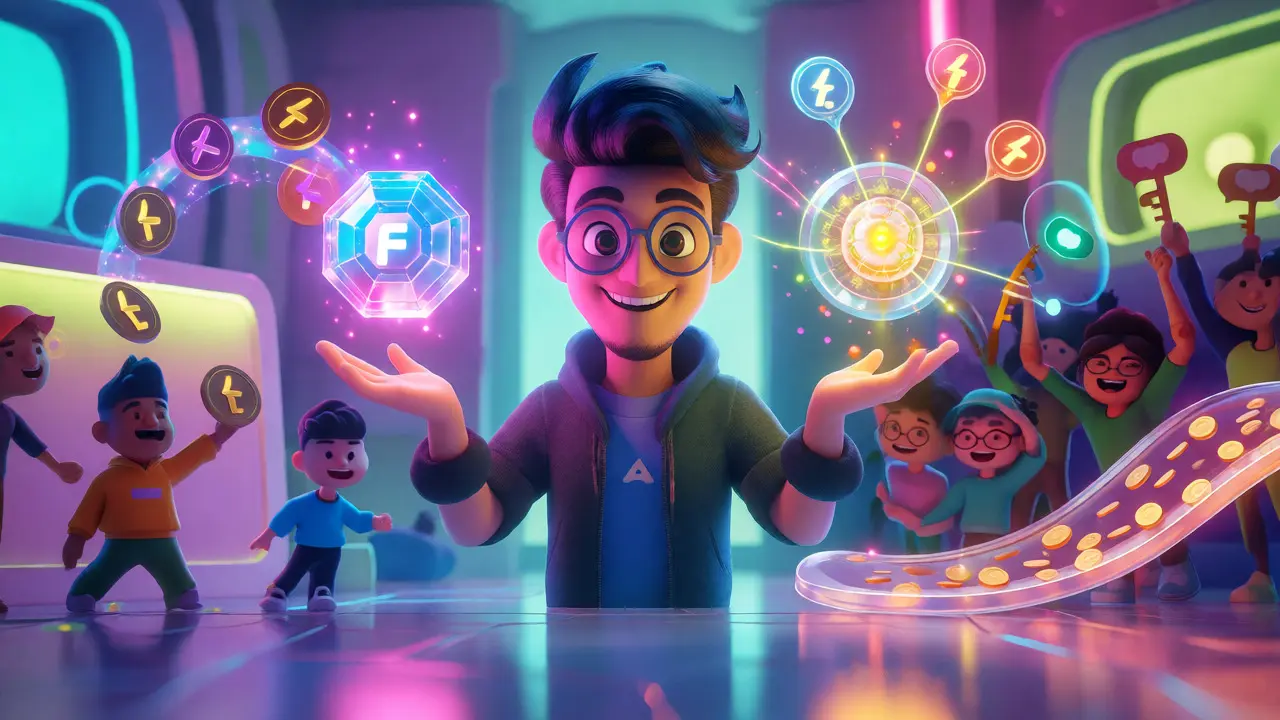
If NFTs are about owning things, social tokens are about owning relationships. Apps like Friend.tech pioneered this by letting users buy “keys” to private chat rooms with creators. When you sell a key, you earn transaction fees. As your community grows and demand rises, the price of those keys can increase, benefiting early holders.
This model aligns incentives. Your fans become investors in your brand. If you succeed, their assets gain value. TIME Magazine experimented with NFT-gated content and saw a 30% boost in premium engagement. It’s not just about selling access; it’s about building a stakeholder community.
Micropayments and Pay-Per-View
Traditional paywalls are clunky. Asking someone to subscribe for $10/month when they only want to read one article is a barrier. Blockchain enables micropayments. Using Layer 2 solutions like Polygon or Base Chain, transaction fees drop below $0.01. This makes paying $0.50 for a single video clip or blog post feasible.
This model works best for high-volume, low-cost content. Think news snippets, stock photos, or short educational clips. It reduces the commitment barrier for casual consumers while giving you revenue from readers who would never subscribe.
Comparing the Top Revenue Streams
Choosing the right model depends on your content type and audience size. Here’s a quick comparison to help you decide.
| Model | Best For | Revenue Source | User Barrier | Long-Term Value |
|---|---|---|---|---|
| NFT Royalties | Artists, Musicians, Collectors | Primary Sale + Secondary Resale % | Medium (Wallet setup) | High (Asset appreciation) |
| Social Tokens | Influencers, Educators, Communities | Key Sales + Transaction Fees | Low (App-based) | Medium (Community health) |
| Micropayments | Journalists, Bloggers, Stock Media | Pay-per-item | Low (if integrated well) | Low (Consumable) |
The Technical Hurdles: Why Most People Quit
Let’s be real: blockchain is hard to use. Data shows that up to 70% of users abandon the process during wallet setup. Why? Because asking a casual reader to install MetaMask, back up a seed phrase, and buy ETH just to read a blog post is too much friction.
This is where Layer 2 scaling solutions come in. Networks like Base Chain and Polygon batch transactions together, making them cheap and fast. More importantly, new platforms are hiding the complexity. They use email login and custodial wallets, so the user doesn’t even know they’re using a blockchain until they want to withdraw funds.
For creators, this means you shouldn’t force your audience into crypto hell immediately. Start simple. Use platforms that abstract away the tech. Let fans pay with credit cards if needed, while the backend settles on-chain. Progressive implementation is key.
Hybrid Models: The Best of Both Worlds
Pure Web3 often fails because it lacks discoverability. Pure Web2 fails because it takes too much control. The winning strategy in 2026 is hybrid. Academic research introduced TOKN as a framework for this. It allows creators to tokenize work on YouTube or TikTok without forcing viewers to leave the app.
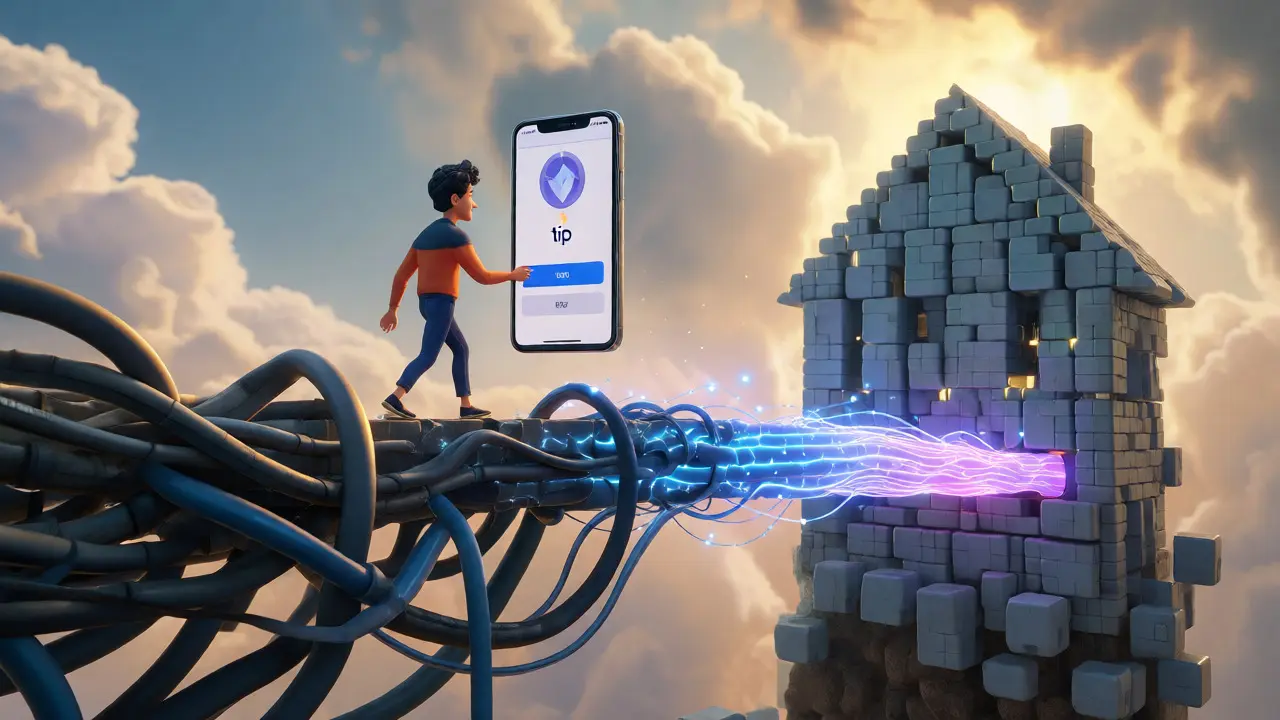
Imagine watching a video on Instagram. You click a button to tip the creator. The payment happens via blockchain in the background, settling instantly and cheaply. The viewer sees a smooth UI; you see transparent, immediate earnings. This approach bridges the gap between mainstream usability and financial sovereignty.
Real-World Performance and Risks
Does this actually make money? Yes, but it’s uneven. Top creators on Friend.tech have earned millions from transaction fees alone. However, average creators might struggle to find their first 100 true fans willing to navigate the technical setup.
Risks include regulatory uncertainty. Governments are still figuring out how to tax digital assets. Also, market volatility can affect the perceived value of your tokens. If the broader crypto market crashes, your fans’ willingness to spend might dip, even if your content quality stays high.
However, retention data is promising. NFT holders tend to stay engaged longer than traditional subscribers. They feel a sense of ownership. They check the floor price of your collection. They talk about it. This emotional investment translates to higher lifetime customer value.
Getting Started: A Checklist for Creators
Ready to test the waters? Don’t overhaul your entire business overnight. Follow these steps:
- Audit your top fans: Identify the 50 people who already support you heavily. These are your early adopters.
- Choose one model: Don’t try NFTs, tokens, and micropayments all at once. Pick the one that fits your content format.
- Select a user-friendly platform: Look for tools that handle wallet creation for you. Avoid raw smart contract deployments unless you’re technical.
- Educate gently: Create a simple guide for your fans. Explain why you’re doing this (fairness, speed) rather than how it works technically.
- Start with free trials: Offer a “loyalty pass” NFT for free to gauge interest before charging.
The creator economy is worth over $250 billion. Blockchain isn’t replacing YouTube or Spotify anytime soon. But it’s adding a powerful layer of financial independence. By understanding these models, you stop being a tenant on someone else’s land and start building your own house.
Do I need to understand coding to use blockchain monetization?
No. Modern platforms like Zora, Mirror, and Friend.tech provide no-code interfaces. You upload content, set prices, and mint assets through a dashboard similar to uploading a photo to Instagram. The complex smart contract logic runs in the background.
Are transaction fees too high for small payments?
On mainnet Ethereum, yes. But most creator-focused platforms now use Layer 2 networks like Polygon, Base, or Solana. On these networks, fees are typically less than one cent, making micropayments economically viable.
How do taxes work for crypto earnings?
It depends on your country. Generally, receiving crypto is treated as income at the fair market value upon receipt. Later, when you convert it to fiat currency, any change in value may be subject to capital gains tax. Consult a local tax professional, as regulations vary significantly.
What happens if the platform shuts down?
This is a major advantage of blockchain. Your assets (NFTs, tokens) live on the blockchain, not on the platform's servers. Even if the interface disappears, you can access your holdings using any compatible wallet and trade them on other decentralized exchanges.
Is this suitable for text-based bloggers?
Yes. Platforms like Mirror allow you to publish essays as NFTs. Readers can buy shares in your writing. Additionally, micropayment integrations allow readers to pay per article without subscribing, which works well for niche non-fiction.