
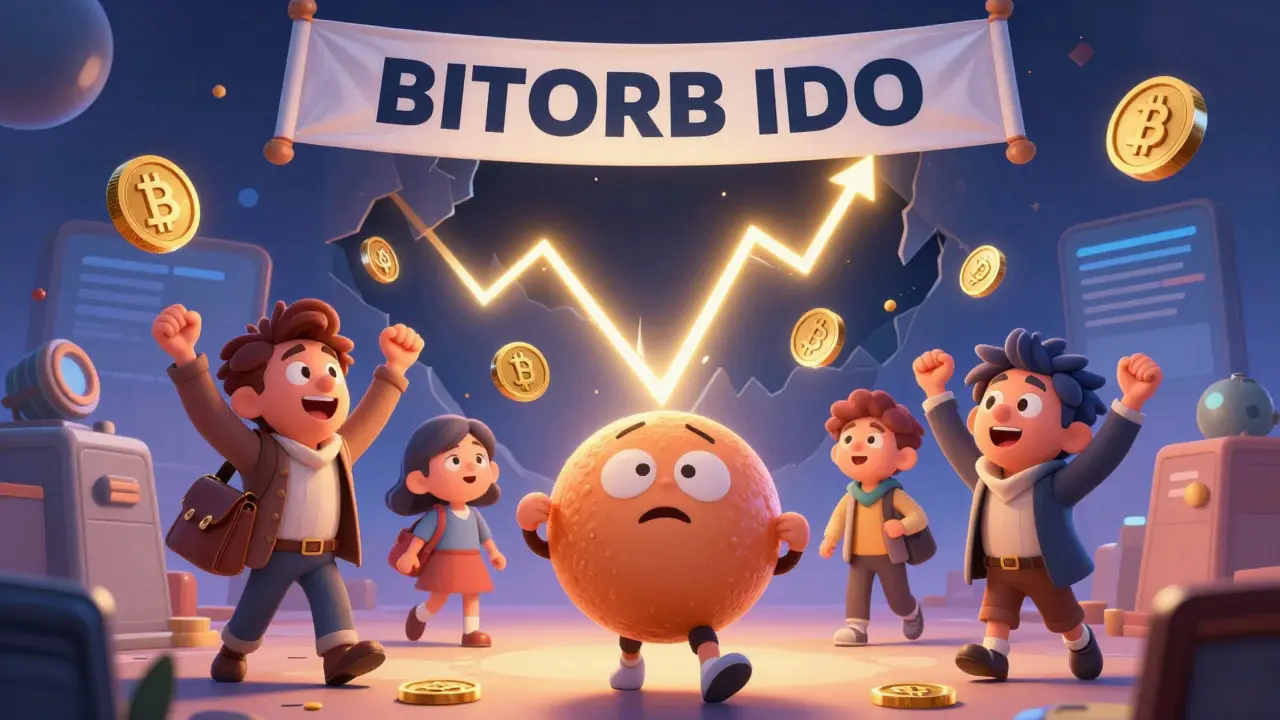
Back in late 2021, BitOrbit (BITORB) launched its token through BSCPad, promising early supporters a chance to get in on the ground floor. The airdrop and IDO were part of a six-round fundraising campaign that raised $290,000. At first glance, it looked like a typical crypto launch: whitelist signups, KYC checks, wallet connections, and token claims. But what happened after the tokens hit the market tells a very different story.
How the BitOrbit Airdrop Worked
The BitOrbit airdrop wasn’t a free giveaway. It was tied to participation in their IDO on BSCPad. To qualify, users had to hold a minimum amount of BSCPad’s native token (BSP) and complete a series of tasks: joining their Telegram group, following their Twitter, and verifying their wallet. Once approved, participants received a portion of the 10% of total tokens released at launch. The rest of the tokens followed a strict vesting schedule. Only 10% were unlocked immediately at the Token Generation Event (TGE) on November 4, 2021, at 21:25 UTC+3. The other 90% were locked for one month, then released linearly over the next four months. This structure was meant to prevent a crash - a common problem in early crypto launches where teams and early investors dumped tokens right after listing. The plan sounded smart. But smart tokenomics don’t matter if no one cares about the project.Why BitOrbit Didn’t Take Off
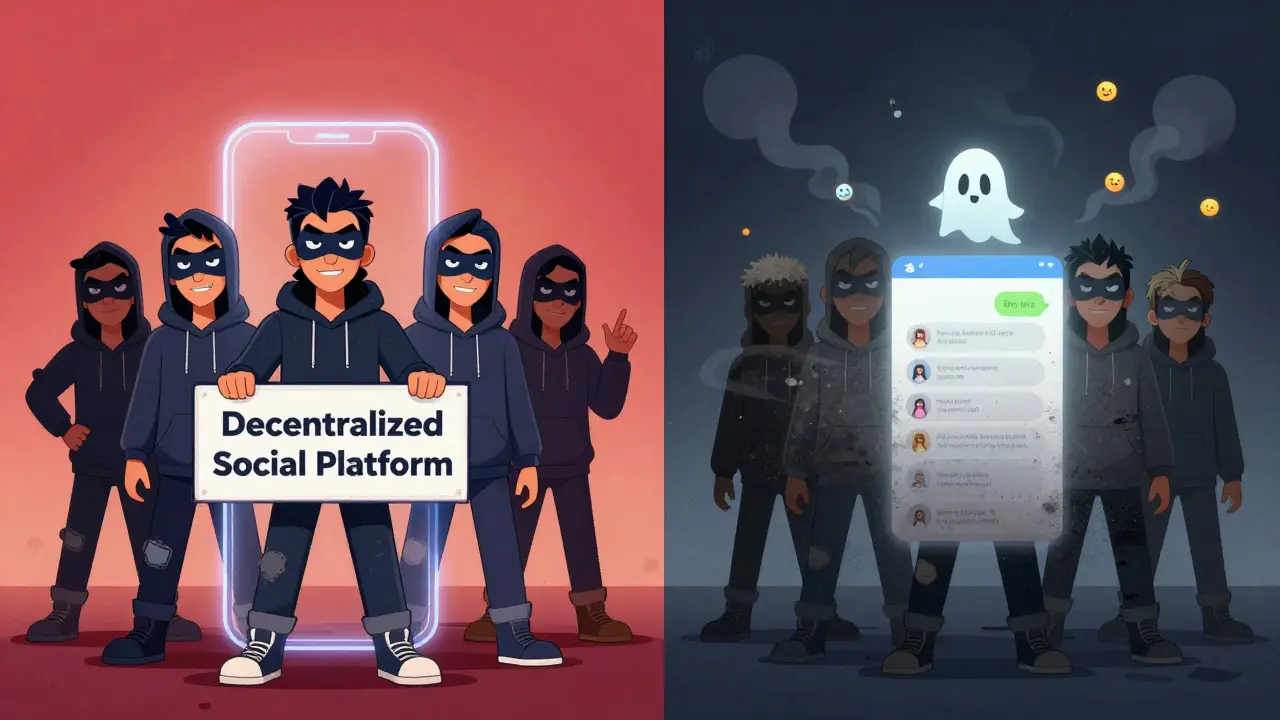
By early 2026, BitOrbit’s market cap sat at just $2,830. That’s less than 1% of what it raised. For every $100 invested in the IDO, investors were left with about $1 in value. What went wrong? First, there was no clear use case. BitOrbit claimed to be a decentralized social platform, but no app ever launched. No roadmap updates. No active development team visible on GitHub or Twitter. In 2021, when everyone was chasing the next meme coin, that might’ve flown. But even then, investors noticed. Second, the community faded fast. The Telegram group, which had over 5,000 members at launch, dropped to under 300 within six months. No AMAs. No progress reports. Just silence. That’s not how you build trust. Crypto isn’t just about tech - it’s about people believing in the team behind it. Third, BSCPad, while reputable, didn’t vet BitOrbit deeply enough. Back in 2021, many launchpads accepted almost any project that paid the listing fee. Today, top launchpads like DAO Maker and Polkastarter require audits, team verifications, and even proof of working prototypes. BitOrbit had none of that.What You Could’ve Done Differently
If you were an investor in 2021, here’s what you should’ve checked before joining the BitOrbit airdrop:- Was there a working product? No demo, no beta, no whitepaper with technical details.
- Was the team doxxed? No LinkedIn profiles. No public names. Just pseudonyms.
- Was the token supply transparent? Yes, but that doesn’t help if the project is dead.
- Was there a clear revenue model? No. No fees, no partnerships, no users.
- Was the community growing? No. Engagement dropped after the airdrop.
How IDOs Have Changed Since 2021
BitOrbit’s story is a snapshot of crypto’s Wild West era. Today, the rules are different. Modern launchpads like Bybit Launchpad and GameFi don’t just list tokens - they offer futures trading right after listing. You can hedge your position within minutes. That’s not available on BSCPad. Back in 2021, if your token crashed, you were stuck. Today’s top launchpads also require:- Smart contract audits from firms like CertiK or PeckShield
- Team KYC with real names and video verification
- Minimum 3-month development history
- Clear utility - not just “we’re building a metaverse”
What BitOrbit Teaches Us About Airdrops
Airdrops aren’t free money. They’re a test of community trust. If a project gives you tokens for doing simple tasks, they’re betting you’ll stick around. But if they vanish after the drop, you’re just a statistic. The real value in an airdrop isn’t the tokens - it’s the access. If the project has a real team, a real product, and a real plan, those tokens might grow. If not, they’ll go to zero. And they usually do. BitOrbit’s airdrop didn’t fail because of bad timing. It failed because it had nothing to offer after the initial buzz.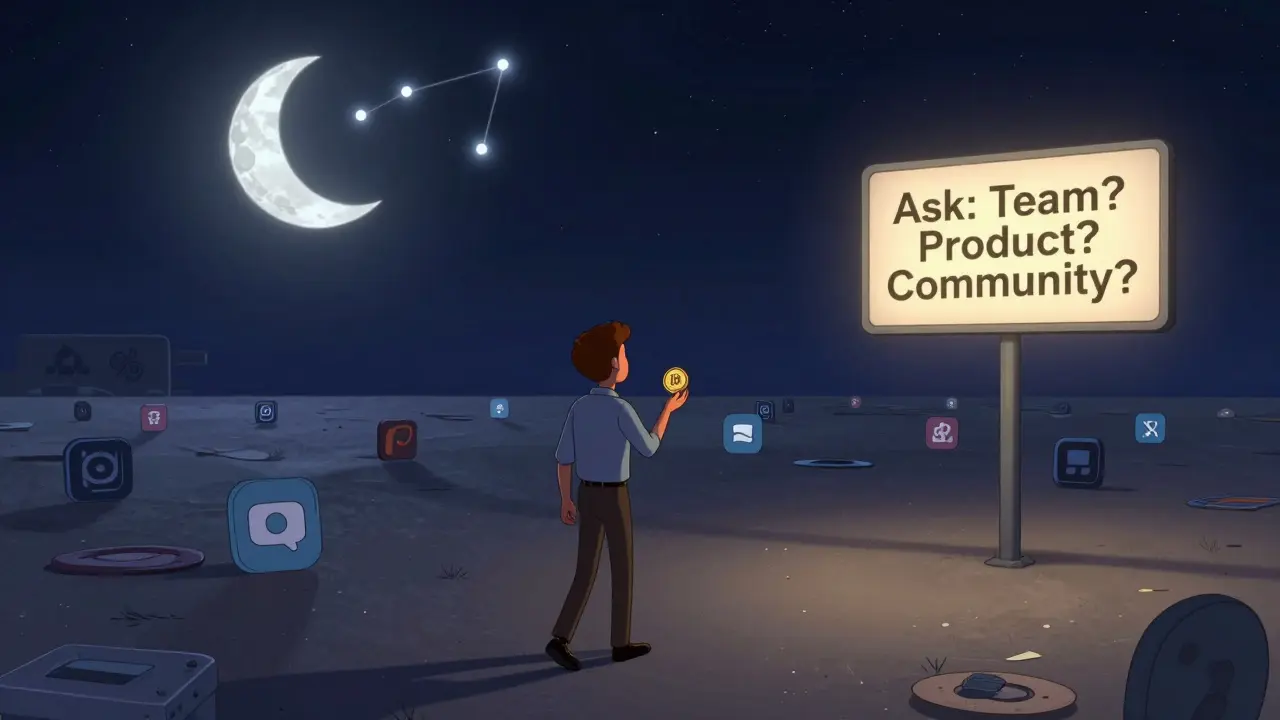
Is BitOrbit Still Active?
As of early 2026, there’s no evidence BitOrbit is still developing. Their website is offline. Their social media accounts are dormant. The token trades at fractions of a cent on small decentralized exchanges, with almost no volume. It’s not delisted - it’s ignored. This isn’t uncommon. Hundreds of projects launched during the 2021 crypto boom. Less than 5% survived. Most became ghost tokens - names on a blockchain with no users, no code, no future.What to Look for in Future Airdrops
If you’re considering any airdrop or IDO today, ask yourself these five questions:- Who is the team? Can you find their real names and past work?
- Is there a working product? Not a whitepaper - a live app or testnet.
- Is the token needed? Or is it just a way to raise money?
- Is the community active? Are people talking about updates, or just asking when the price will go up?
- Is the launchpad reputable? Check if they’ve listed other successful projects.
The Bigger Picture
BitOrbit’s story isn’t unique. It’s a lesson. Crypto’s biggest winners aren’t the ones who raised the most money. They’re the ones who kept building. The projects that survived the 2021 crash didn’t rely on hype. They didn’t promise moonshots. They delivered features. They listened to users. They adapted. The airdrop was just the beginning. The real test started after the tokens were claimed. BitOrbit failed that test.Was the BitOrbit airdrop free?
No, the BitOrbit airdrop wasn’t free. It required participation in the IDO on BSCPad, including holding a minimum amount of BSP tokens, completing social tasks, and going through KYC. You didn’t get tokens just for signing up - you had to prove you were an active community member.
What happened to the BitOrbit token price after launch?
The BitOrbit token price dropped sharply after launch. While the project raised $290,000, its market cap fell to just $2,830 by early 2026. The 10% of tokens released at launch quickly sold off, and the remaining 90% vested over four months, but demand never returned. Today, BITORB trades at fractions of a cent with almost no trading volume.
Was BitOrbit listed on major exchanges?
No, BitOrbit was never listed on major centralized exchanges like Binance, Coinbase, or Kraken. It only traded on small decentralized exchanges (DEXs) like PancakeSwap, where liquidity is low and prices are easily manipulated. Lack of CEX listing is a strong sign the project lacked credibility.
Can I still claim BitOrbit tokens from the 2021 airdrop?
Technically, yes - if you still have access to the wallet you used during the IDO and the smart contract hasn’t been paused. But the tokens are worth less than $0.001 each. Claiming them now has no financial benefit. The project is inactive, so there’s no reason to hold them.
Why did BSCPad list BitOrbit if it failed?
In 2021, BSCPad and other launchpads had looser vetting standards. Many projects were accepted based on pitch decks and social media buzz, not real product development. Today, top launchpads require audits, team KYC, and working demos. BitOrbit slipped through the cracks because the system wasn’t mature yet.
Are there any similar projects to BitOrbit that succeeded?
Yes - but they had something BitOrbit didn’t: real execution. Projects like Gala, Fetch.ai, and Arbitrum launched around the same time and built actual products. They kept updating, listening to users, and expanding. BitOrbit promised a social platform but never built one. Success in crypto isn’t about raising money - it’s about delivering value after the launch.
Michael Sullivan
February 3, 2026 AT 08:00Mrs. Miller
February 4, 2026 AT 22:16Reda Adaou
February 6, 2026 AT 10:36Nathaniel Okubule
February 7, 2026 AT 03:48Mendy H
February 7, 2026 AT 23:23Molly Andrejko
February 8, 2026 AT 04:39sabeer ibrahim
February 10, 2026 AT 01:01Alisha Arora
February 10, 2026 AT 14:21Danica Cheney
February 11, 2026 AT 16:30Brittany Coleman
February 12, 2026 AT 13:32laura mundy
February 12, 2026 AT 15:49Jacque Istok
February 13, 2026 AT 20:20David Bain
February 15, 2026 AT 07:36Deeksha Sharma
February 15, 2026 AT 23:52Freddie Palmer
February 16, 2026 AT 17:16Taybah Jacobs
February 18, 2026 AT 08:18Kyle Pearce-O'Brien
February 18, 2026 AT 12:58Matthew Ryan
February 18, 2026 AT 13:03Shruti Sharma
February 20, 2026 AT 09:30Robin Ødis
February 21, 2026 AT 09:19