
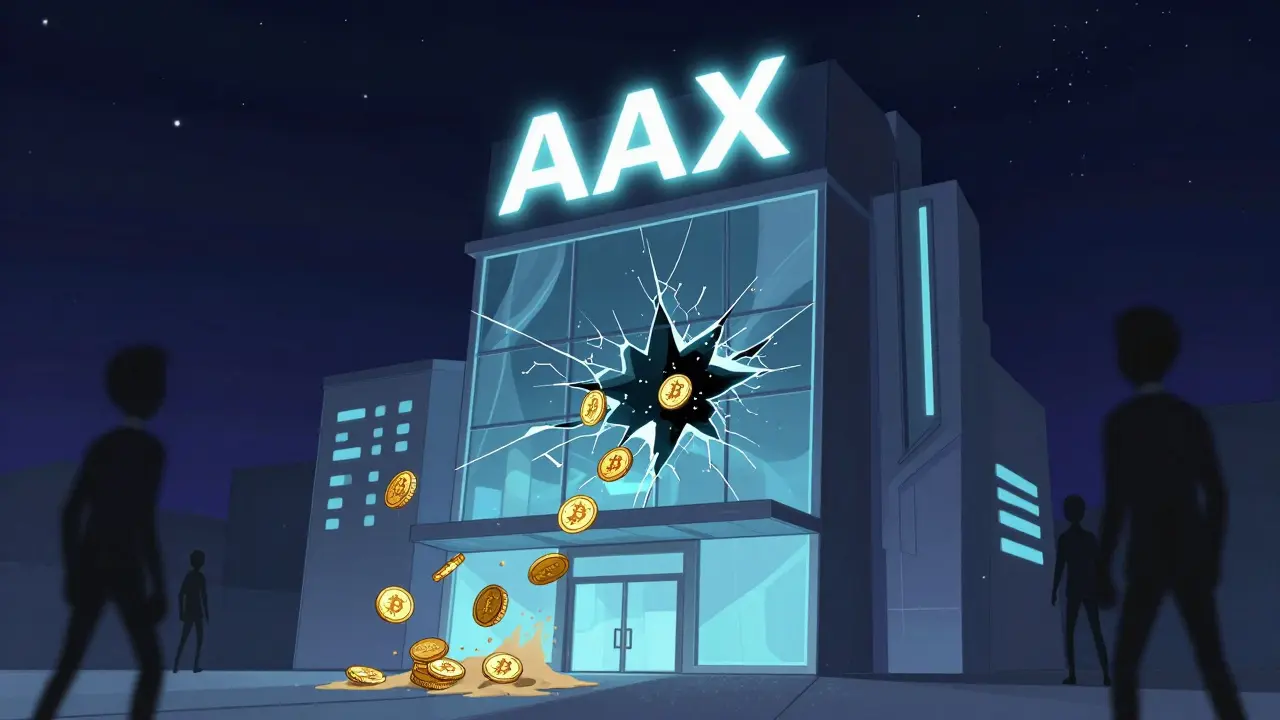
When AAX Crypto Exchange shut down in December 2022, thousands of users woke up to find their funds locked with no way out. It wasn’t a slow fade - it was a sudden collapse. The platform had spent years marketing itself as a high-tech, institutional-grade trading platform with ultra-low latency and rock-solid infrastructure. But behind the polished interface and flashy claims, AAX was built on shaky ground. And when the pressure came, it didn’t just stumble - it vanished.
What Was AAX Supposed to Be?
AAX launched in 2018 with big ambitions. Headquartered in Seychelles but operating out of Hong Kong, it claimed to use the same trading engine as the London Stock Exchange - LSEG Technology. That meant, according to their ads, trades could execute in as little as 90 microseconds. For retail traders, that sounded like a dream: lightning-fast order fills, deep liquidity, and fees lower than most competitors. They offered spot trading, futures with up to 100x leverage, OTC desks for large traders, and even a Fast Buy feature that let users convert 20+ fiat currencies directly into crypto.
The platform had real features. Limit orders, market orders, stop-loss triggers, and a built-in calculator to estimate liquidation prices. You could set position sizes with one click - 25%, 50%, 75%, or 100% of your balance. It looked professional. It felt like a serious exchange. And for a while, users believed it.
The First Red Flags
But cracks started showing early. In May 2021, Thor Chan, the CEO, suddenly resigned. No press release. No explanation. Just silence. That’s not normal for a company that claims to be transparent. In the crypto world, leadership changes can be risky - especially when they happen without warning. Traders began asking: Who’s really running this? What’s the plan now?
Then came the withdrawal problems.
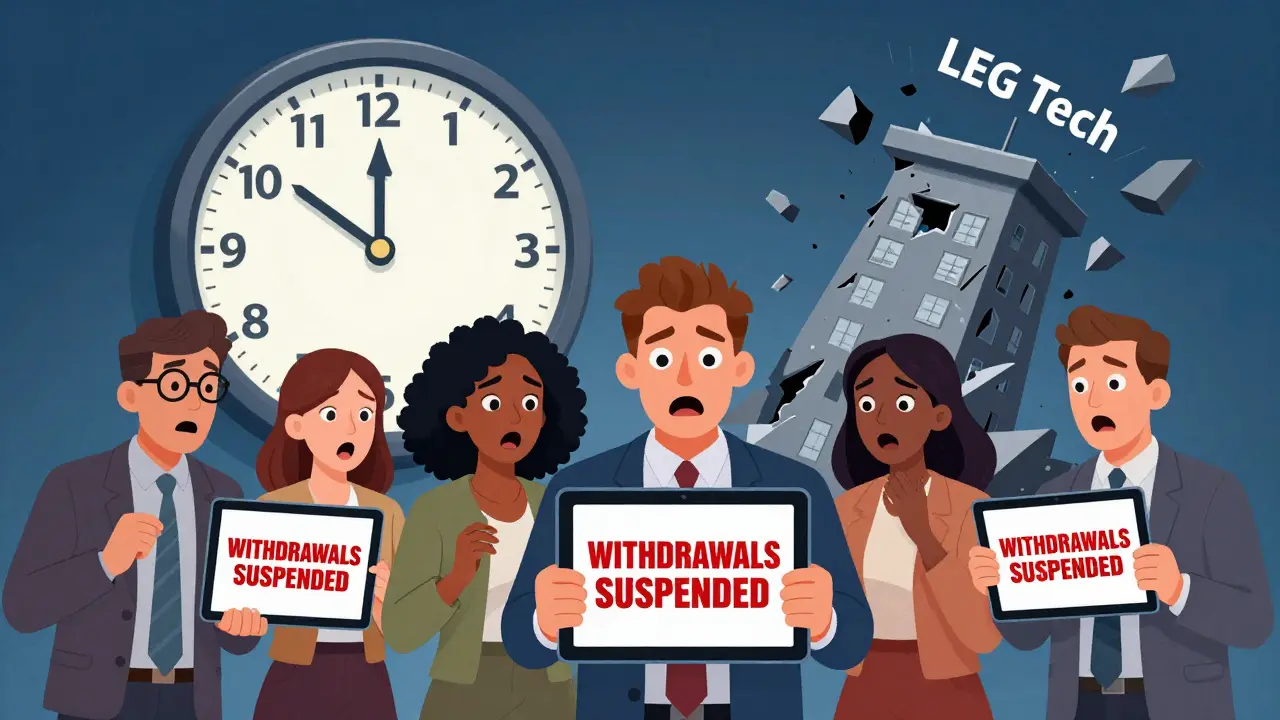
On November 13, 2022, AAX suspended all crypto withdrawals. No warning. No notice. Users couldn’t move their Bitcoin, Ethereum, or any other asset off the platform. The message? "We’re performing system upgrades." That’s the same excuse used by every failing exchange in history. Within a month, the site went completely dark. By December 16, 2022, AAX ceased all operations. The website didn’t just go offline - it disappeared from search engines. No contact info. No email replies. No social media updates.
What Users Lost
People didn’t just lose access to their coins - they lost everything. Some had hundreds of thousands of dollars locked in. Others had small balances, but still, it was money they couldn’t touch. Withdrawal requests were ignored. Support tickets went unanswered. The platform’s customer service, which had already been criticized for slow responses and inconsistent help, vanished entirely.
On Trustpilot, AAX had 53 negative reviews and only 33 positive ones. The average rating? 1.9 out of 5. Common complaints? Fees that appeared out of nowhere, security concerns, system crashes during peak trading, and withdrawal delays that lasted weeks - if they ever happened at all. One user wrote: "I deposited $15,000 in BTC. When I tried to withdraw, I got a message saying my account was under review. It’s been 8 months. No update. No refund. No explanation."
TrustFinance gave AAX a 31/100 TrustScore - a rating so low it was labeled "unsuitable for investors." The report didn’t mince words: "The platform’s security flaws and lack of transparency far outweighed its user-friendly interface and trading features."
No Regulation, No Protection
One of the biggest red flags? AAX never showed proof of licensing from any major financial regulator. No MiFID. No FCA. No MAS. No NYDFS. No evidence of fund segregation. No audited proof of reserves. Nothing. In crypto, where regulation is often weak, you still need *something* - a license, an audit, a public commitment to compliance. AAX had none.
And here’s the hard truth: if you’re using an exchange that doesn’t disclose its regulatory status, you’re gambling. Not trading. Gambling. AAX’s use of LSEG’s infrastructure didn’t make it safe. It just made it look fancy. Technology doesn’t protect your money. People and processes do.
The Aftermath
As of March 2026, AAX’s website still gets traffic - 1,444 visits last month. But it’s not because people are trading. It’s because they’re searching for answers. Are there any legal options? Is there a chance of recovery? Has anyone gotten their money back?
The answer? Almost no one.
There’s no official liquidation process. No bankruptcy filing that’s public. No legal team representing users. The company’s servers are offline. Its domain is inactive. The people who ran it? Gone. No one is taking responsibility.
This isn’t just a cautionary tale. It’s a warning. AAX didn’t fail because it was too new. It failed because it was built on trust, not transparency.
What You Should Look For in a Crypto Exchange
If you’re still trading crypto, here’s what matters more than trading speed or low fees:
- Regulatory proof: Does the exchange show its license? Is it from a known authority like the FCA, ASIC, or FINMA? If you can’t find it on their website, assume they don’t have one.
- Proof of reserves: Are they regularly audited by a third party? Can you see that they hold the crypto they claim to? Look for reports from firms like BDO, Mazars, or CoinCheckup.
- Transparent communication: When problems happen, do they tell users? Do they update regularly? Or do they go silent?
- Withdrawal history: Can users withdraw funds without delays? Try small test withdrawals before depositing large amounts.
- User reviews: Don’t just check the star ratings. Read the negative reviews. Look for patterns: "Can’t withdraw," "no support," "fees changed without notice."
AAX had the tech. It just didn’t have the integrity.
What Happens When an Exchange Dies?
Most users assume crypto exchanges are like banks - regulated, insured, protected. They’re not. There’s no FDIC for crypto. No government bailout. If an exchange goes under, your money is gone unless you hold it in your own wallet.
That’s why cold storage matters. If you’re holding more than a few hundred dollars on any exchange, you’re taking unnecessary risk. The only truly secure place for your crypto is a wallet you control - hardware, paper, or a secure software wallet with a strong backup.
AAX didn’t steal money. It just lost control of it. And when that happens, users pay the price.
Is AAX still operational?
No, AAX ceased all operations on December 16, 2022. The website is offline, customer support is gone, and withdrawals have been suspended since November 2022. There is no active platform, and no known recovery process for users’ funds.
Can I get my money back from AAX?
Almost certainly not. There has been no official bankruptcy filing, no public liquidation plan, and no communication from former AAX leadership. Thousands of users lost funds, and there are no known cases of full recovery. Legal action is unlikely to succeed due to the lack of regulatory oversight and the offshore nature of the company’s operations.
Was AAX regulated?
There is no public evidence that AAX held any license from a recognized financial regulator. It did not show proof of compliance with agencies like the FCA, ASIC, or MAS. This lack of transparency made it a high-risk platform, even before its shutdown.
Why did AAX fail?
AAX failed due to a combination of poor leadership, lack of transparency, weak security practices, and no regulatory oversight. The CEO’s sudden resignation in 2021 was an early sign of instability. The suspension of withdrawals in November 2022 and complete shutdown in December confirmed the platform was insolvent. Users lost access to their funds because the exchange never had the reserves or systems to protect them.
Should I use AAX or any similar exchange?
No. AAX is defunct and cannot be used. More importantly, its collapse highlights the risks of using exchanges without clear regulation, public audits, or proven withdrawal histories. Always choose platforms with verified licenses, regular third-party audits, and a long track record of reliable customer service.
Katrina Smith
March 18, 2026 AT 21:03Anastasia Danavath
March 20, 2026 AT 13:12Patty Atima
March 22, 2026 AT 07:35Lucy de Gruchy
March 23, 2026 AT 13:11Tobias Wriedt
March 24, 2026 AT 07:52Manali Sovani
March 25, 2026 AT 02:45Konakuze Christopher
March 25, 2026 AT 12:18Heather James
March 26, 2026 AT 10:53Arlene Miles
March 27, 2026 AT 14:00Tony Weaver
March 29, 2026 AT 06:20Carol Lueneburg
March 30, 2026 AT 01:43Sahithi Reddy
March 30, 2026 AT 17:35George Hutchings
March 31, 2026 AT 13:54Anastasia Thyroff
March 31, 2026 AT 16:11Christopher Hoar
March 31, 2026 AT 21:39Robert Kunze
April 1, 2026 AT 20:26Sarah Hammon
April 2, 2026 AT 23:28iam jacob
April 3, 2026 AT 19:52Jesse Pals
April 5, 2026 AT 02:20Diane Overwise
April 7, 2026 AT 02:05