Crypto Updates in November 2025: Regulations, Airdrops, and Exchange Risks
When you look at crypto regulations in 2025, government rules that now dictate how exchanges, traders, and projects must operate to avoid fines or shutdowns. Also known as crypto compliance frameworks, these rules turned 2025 into a year of cleanup—not hype. Brazil, Singapore, and the U.S. didn’t just tweak rules—they rewrote the playbook. Brazil forced all exchanges to get licensed or shut down. Singapore demanded strict capital reserves and anti-money laundering checks. And the SEC, after slapping down Terraform Labs for $4.68 billion, stopped chasing unregistered tokens and started going after outright fraud. This wasn’t regulation for the sake of control. It was regulation because too many platforms were lying, stealing, or vanishing with user money.
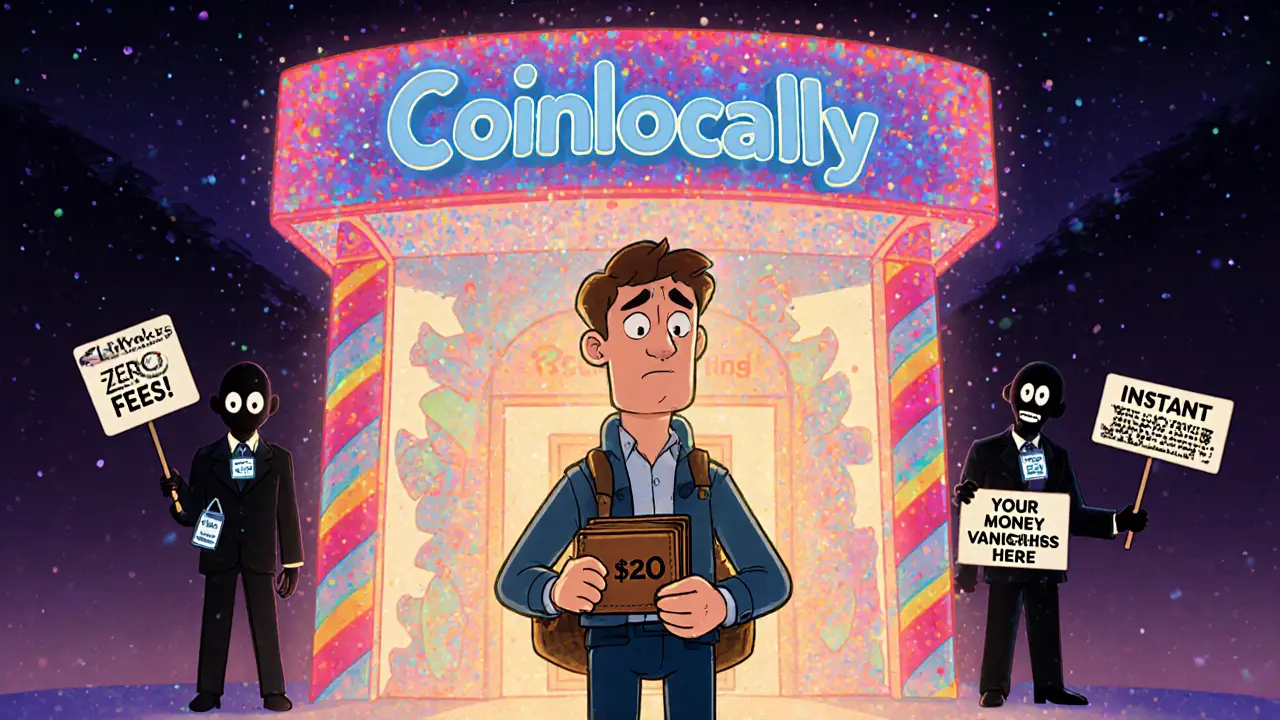
That’s why so many posts this month focused on unregulated crypto exchange, platforms that promise zero fees or crazy returns but have no oversight, no insurance, and no real support team. Also known as phantom exchanges, they’re not just risky—they’re dead. Nanex vanished. RocketSwap never existed. Coinlocally’s app kept freezing funds. These aren’t edge cases. They’re the norm in the wild west of crypto. Meanwhile, crypto airdrop 2025, free token distributions that promise wealth but often turn out to be scams or ghost projects. Also known as fake giveaways, they flooded the space. ART Campaign? Nonexistent. BSC AMP? Locked tokens with no release plan. IguVerse NFTs? Never delivered. SHREW? Never an airdrop—it was a failed ICO. The pattern is clear: if it sounds too easy, it’s a trap.
And then there’s the quiet stuff—the real work behind the scenes. Ethereum gas fees, the cost to send transactions on Ethereum, now shaped by EIP-1559’s burn mechanism and network demand. Also known as transaction costs, they’re still unpredictable, but now you know why they spike. You don’t just pay them—you learn how to avoid them. Same with crypto tax Form 8949, the IRS form that tracks every crypto sale, trade, or disposal, and now requires you to manually log your cost basis because exchanges won’t give you full data. Also known as crypto capital gains reporting, it’s not optional. If you traded in 2024, you’re already behind.
What’s left? Real tools. Real risks. Real lessons. You’ll find deep dives into how North Korean hackers launder crypto using fake remote jobs. You’ll see why NFTs crashed—not because they were art, but because they were gambling. You’ll learn about Divi, a blockchain built for phones, not speculators. And you’ll see how DeFi Money Legos—like Aave and Uniswap—keep working even when the hype dies. This isn’t a list of news. It’s a map of what actually matters after the noise fades. Below, you’ll find every post from November 2025. No fluff. No promises. Just what happened, who got burned, and what still works.